
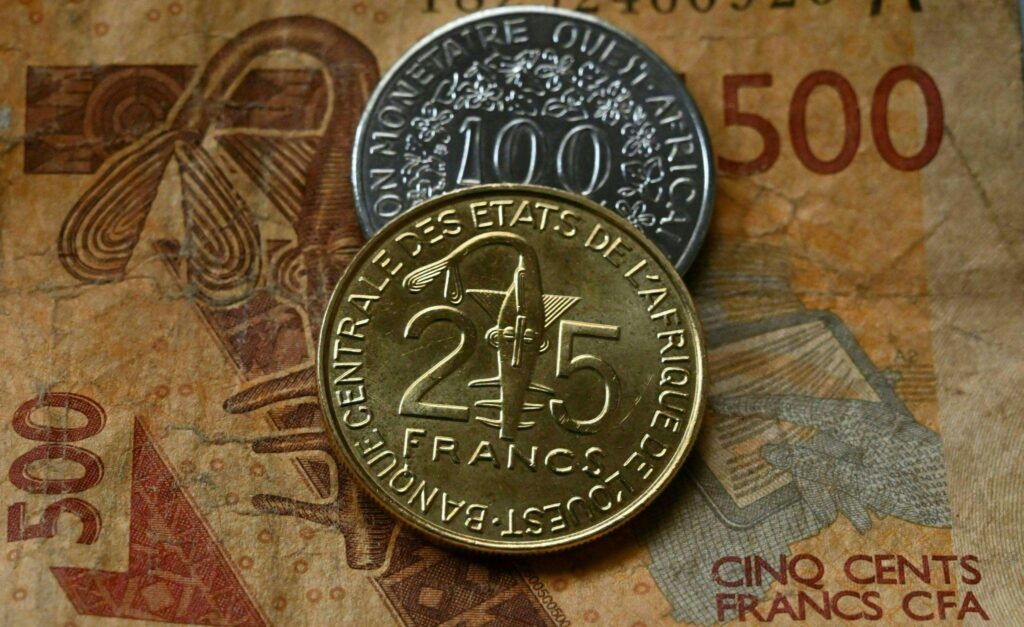
Did you know over 80% of daily transactions in West African markets still use only physical notes? Even as digital banking grows, the currency in ivory coast is still the heart of the local economy.
When you hail a taxi or buy fresh fruit, cash is essential. Knowing about the ivory coast currency is crucial for anyone planning a trip here.
Handling your ivory coast money well helps you avoid stress during your visit. By preparing, you can shop and travel with confidence. Preparation is the key to a great trip.
Key Takeaways
- Physical cash is the main way to buy things every day.
- Small vendors and taxi drivers rarely take digital payments.
- Carrying smaller bills makes daily shopping easier.
- Planning your budget before you go helps avoid money troubles.
- Using physical notes in local markets gives the best experience.
Understanding the West African CFA Franc
Knowing the history and how the local currency works is key for visitors or business people in the area. The West African CFA franc is the main currency in many countries, including Côte d’Ivoire. This ivorian currency is known for its stability and helps with trade in the region.
Historical Context of the XOF
The currency started in the colonial times to make money transactions easier across French areas. It has grown into a modern currency managed by the Central Bank of West African States. The official currency code of ivory coast is XOF, making it different from other currencies.
Now, the ivorian franc shows the unity of member states economically. It has kept its value through many financial changes worldwide. Many see the XOF’s long life as proof of the strength of the regional monetary union.
The Peg to the Euro and Economic Stability
The ivory coast currency is tied to the Euro, which is a key feature. This fixed rate helps local businesses and foreign investors. It keeps the currency’s value steady, reducing risks from market ups and downs.
This stability helps travelers who need to keep an eye on the ivory coast currency rate while they’re there. Since the rate is mostly the same against the Euro, planning your money is easier. Here’s a table with important facts about the currency used in the area.
| Feature | Description | Status |
|---|---|---|
| Currency Name | West African CFA Franc | Official |
| Currency Code | XOF | Standardized |
| Pegged To | Euro (EUR) | Fixed |
| Regional Usage | 8 Member States | Active |
Current Economic Landscape and Currency in Ivory Coast
The West African CFA franc is key to Ivory Coast’s economy. It’s a stable currency that helps local businesses and attracts investors. The ivorian currency keeps commerce smooth by maintaining a steady value.
Impact of Regional Monetary Policy
The cfa franc stays stable thanks to the Central Bank of West African States. This bank sets strict rules to control inflation. This keeps the côte d’ivoire currency strong for trade.
The ivorian franc gets stronger because of teamwork among nations. This teamwork reduces the risk of currency value drops. It makes the economy more secure for businesses.
Recent Trends in the Ivorian Economy
The ivory coast economy has grown a lot in the last ten years. More foreign investment and strong agriculture exports have helped. This is often talked about in ivory coast currency news.
Trade growth keeps the local currency in demand. This supports the West African financial system. The currency in ivory coast is crucial for the country’s growth. Investors see this as a sign of good things to come.
Denominations and Physical Characteristics of Ivorian Money
Understanding the local currency is key when exploring markets. The official ivorian money is the West African CFA franc. It’s recognized by the ivory coast currency symbol, CFA. Knowing how this currency works helps travelers manage their money better.
Banknotes in Circulation
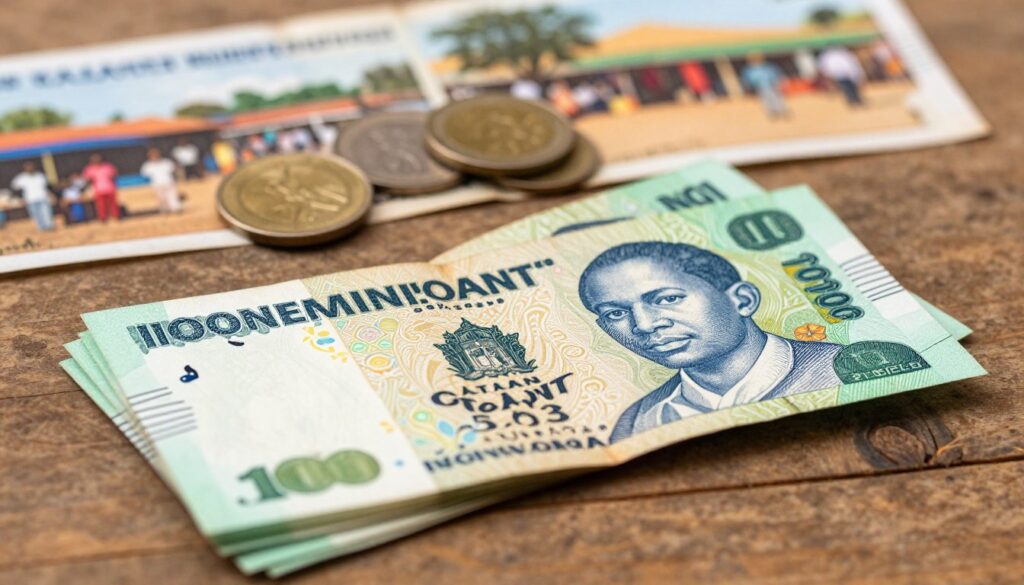
The banknotes in ivory coast are made by the Central Bank of West African States. These ivory coast banknotes are colorful and show off the area’s culture and nature. The xof currency is mostly used in paper notes for bigger transactions.
When you use banknotes ivory coast, you’ll see different values. It’s highly recommended to carry various notes. This way, you can pay without waiting for change.
Coins and Their Usage in Daily Transactions
Ivory coast coins are minted and are legal tender, but they’re not used much. People usually use paper notes for cash in ivory coast, like for street food or taxi fares. But, coins ivory coast are needed for small buys or exact change.
Travelers should keep coins in a small pouch. This way, they won’t lose them. Here’s a quick guide to the common coin denominations you’ll find.
| Denomination Type | Value Range | Primary Usage |
|---|---|---|
| Banknotes | 500 to 10,000 CFA | General purchases and bills |
| Coins | 5 to 250 CFA | Small items and exact change |
| High Value Notes | 5,000 to 10,000 CFA | Hotels and large retail |
Navigating Currency Exchange in Ivory Coast
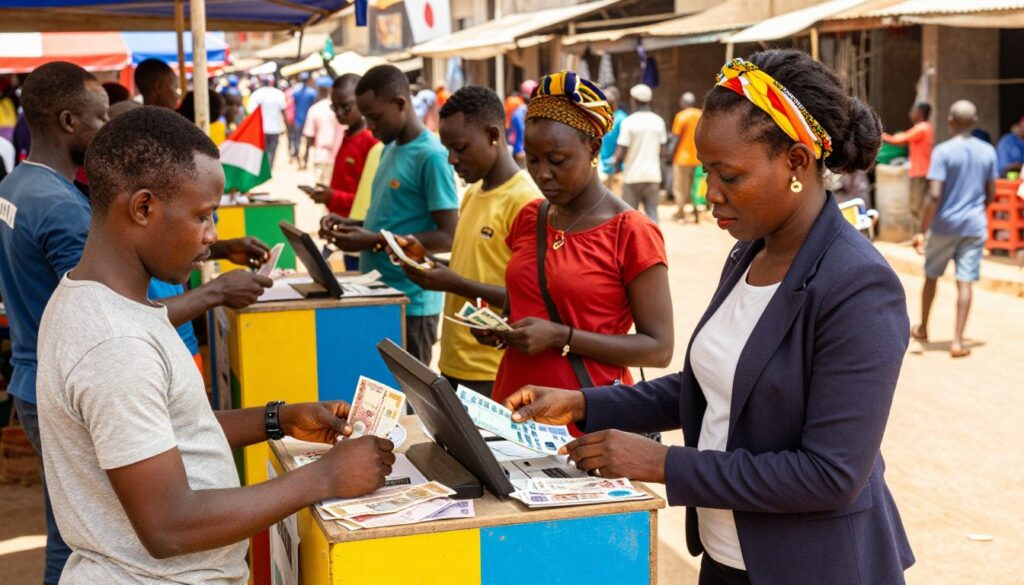
Travelers need to plan carefully when dealing with local money. Getting the cfa franc is key for everyday spending. Knowing how currency exchange ivory coast works helps you avoid problems and makes your trip smoother.
Where to Find Reliable Exchange Services
For currency exchange in ivory coast, go to trusted places. Banks and official exchange bureaus are safe. They offer clear rates and good service, keeping you safe from scams.
Don’t exchange money with street vendors. They often give bad rates and might have fake money. Always choose safe places in big cities like Abidjan.
Tips for Exchanging USD to CFA Franc
For a good cfa franc to usd conversion, be smart. Use clean, new banknotes. Always have your passport ready, as you’ll need it for most exchanges.
Think about these points when choosing how to exchange money:
| Exchange Method | Security Level | Rate Quality | Convenience |
|---|---|---|---|
| Commercial Banks | High | Standard | Moderate |
| Official Bureaus | High | Competitive | High |
| Street Changers | Low | Variable | High |
Using official places for ivory coast currency exchange keeps your money safe. Plan well and avoid risky options. This way, you can enjoy your trip without worrying about money.
Digital Payments and Banking Infrastructure in Abidjan
Abidjan’s financial world mixes new digital tools with old methods. As the country’s economic center, the city’s finance management is changing fast. Knowing how to use abidjan currency is key for anyone in this lively city.
The Rise of Mobile Money Services
Mobile money has changed the local economy a lot. With services like Orange Money, MTN MoMo, and Wave, you can pay bills and send money with your phone. This makes carrying lots of cash less necessary.
Most shops and services accept these mobile payments. It’s a safe and quick way to pay for many people. Travelers should think about getting a local mobile wallet if they’re staying a while.
Availability of ATMs and Credit Card Acceptance
Even with digital options, cash in ivory coast is still best for small deals and trips outside the city. Credit cards work in fancy hotels, high-end restaurants, and big stores in Abidjan. But, small shops and markets only take cash.
ATMs are easy to find in the city, especially near banks and malls. It’s very important to stay safe when using them. Pick places that are bright and have security. Don’t show too much money in public.
It’s smart to have different ways to pay when you visit. Relying only on digital might not work in places without good internet or ATMs. Having both digital and physical currency makes your trip easier.
Managing Cash in Ivory Coast for Travelers
Travelers in Ivory Coast need to know how to handle cash well. Even though digital payments are becoming more common, cash in ivory coast is still the main way to pay for things in local markets and small shops.
Learning to use ivorian money helps visitors feel more confident. By being ready for common situations, they can avoid problems during their trip.
Budgeting and Daily Spending Expectations
First, make a budget for your trip. It’s smart to carry different amounts of money. This is because small notes are essential for paying taxi drivers and buying things from street vendors who might not have change for big bills.
How much you spend each day depends on your travel style and where you are. Here’s a table that shows what you might spend daily.
| Expense Category | Budget Level | Estimated Daily Cost (USD) |
|---|---|---|
| Budget Traveler | Economy | $30 – $50 |
| Mid-Range Traveler | Standard | $70 – $120 |
| Luxury Traveler | Premium | $200+ |
Security Measures for Carrying Physical Cash
When you’re out with ivory coast money, safety is key. It’s best to only carry what you need for the day in your wallet or pocket.
Keep more money and important documents in a secure hotel safe when you can. Be careful in crowded places and keep your things close to avoid theft.
Wearing a money belt or keeping money in an inside pocket adds extra safety for your ivorian money. By staying alert, you can enjoy the country’s beauty without worrying about your money.
International Transfers and Foreign Exchange Regulations
Whether you’re a business pro or just visiting, moving money in or out of Ivory Coast has its rules. The system is set up to keep things clear and stable. Knowing these rules helps you avoid legal trouble with your money moves.
Sending Money to and from Ivory Coast
For international currency ivory coast deals, people usually go through banks or approved money transfer services. These services make sure your money gets where it needs to go safely. Make sure your service is allowed to work in Ivory Coast.
Digital platforms are popular for their quickness. But, when you do a currency exchange in ivory coast, remember about changing rates and fees. Always check the final XOF amount before you send to get what you expect.
Compliance and Documentation Requirements
Following the law is key for big money moves. You’ll need to show proof to stop money laundering and prove your foreign exchange in ivory coast is legit. Businesses need invoices, contracts, or tax clearances for big money.
For people, moving a lot of cash might need you to report it. Keeping records of your ivory coast money exchange is smart. Without the right papers, your money might get held up or even frozen.
| Transfer Method | Processing Speed | Compliance Level | Best For |
|---|---|---|---|
| Commercial Banks | 3-5 Business Days | High | Large Business Transfers |
| Money Transfer Operators | Instant to 24 Hours | Moderate | Personal Remittances |
| Digital Wallets | Instant | Moderate | Small Daily Transactions |
The Role of the Central Bank of West African States
The Central Bank of West African States, or BCEAO, plays a key role in the Ivory Coast’s economy. It is the central bank for eight countries in the West African Economic and Monetary Union. The bank ensures the west african cfa franc is a stable currency for millions.
Monetary Oversight and Inflation Control
The BCEAO’s main job is to keep prices stable. It manages the ivorian franc and other currencies to control inflation. This helps keep the value of money steady and supports trade.
The bank uses tools like changing interest rates to control money flow. These actions help the cfa franc stay strong and the economy stable. Here’s a table showing the bank’s key roles in keeping the economy healthy.
| Function | Primary Objective | Impact |
|---|---|---|
| Monetary Policy | Price Stability | Controls Inflation |
| Currency Issuance | Supply Management | Ensures Liquidity |
| Banking Supervision | Systemic Safety | Protects Deposits |
Recent News Regarding Monetary Reforms
There’s a lot of talk about changing the ivory coast currency news. People are talking about updating the west african franc to make it more independent. This shows a big push for economic growth and stability in the cfa franc.
Experts say any changes will aim to make the central bank more independent. As the region grows, the west african cfa franc is key to its economic plans. Everyone is watching these changes to see how they’ll affect money and growth.
Comparing the CFA Franc to Global Currencies
Knowing how the currency in Ivory Coast compares to the US Dollar is key for planning your finances. The West African CFA franc is tied to the Euro, making its value stable compared to many other currencies. This makes the cfa franc to usd conversion easier for visitors from the United States.
Managing your abidjan currency is easier with the peg’s stability. Even if the dollar’s value changes against the Euro, the peg keeps your travel budget predictable.
Exchange Rate Volatility and Market Factors
The ivory coast currency is affected by the European Central Bank’s policies because of its fixed value to the Euro. This means the exchange rate ivory coast visitors see is mostly based on the Euro’s global strength. Other factors like commodity prices and regional politics also influence the international currency ivory coast scene.
“A stable currency is the bedrock of a predictable travel experience, allowing visitors to focus on their journey rather than market shifts.”
To get the best value during your ivory coast currency exchange, consider these tips:
- Keep an eye on the Euro to USD exchange rate, as it affects your spending power.
- Don’t exchange large amounts at airports, where rates might be worse.
- Check the official ivory coast currency rate through trusted financial news sites before you leave.
Tools for Tracking Currency Converter Ivory Coast Rates
It’s easier than ever to stay updated on the latest currency converter ivory coast rates with today’s technology. Travelers can use various digital tools to track ivory coast currency converter trends in real-time. These tools help you find the best times for your currency exchange ivory coast transactions.
Here are some popular ways to track rates:
- Financial Apps: Apps like XE Currency or OANDA give live updates.
- Banking Portals: Many international banks have tools to calculate the current ivory coast currency rate.
- Search Engines: A quick search for the latest conversion rates gives you immediate, accurate data for planning.
Economic Consequences of Currency Fluctuations
It’s important to know how money value changes affect our daily lives. This is especially true for those watching the ivory coast economy. When money’s value shifts, it impacts everything from small shops to big imports. It affects how much we pay for everyday items and how businesses plan for the future.
Effects on Local Businesses and Imports
For local shops, a changing exchange rate ivory coast makes managing stock harder. If imports get more expensive, shops face a tough choice. They can either raise prices or try to keep costs down.
In local markets, haggling is a big part of the culture. People use a currency converter ivory coast to check their money’s value before they start negotiating. This shows how global money trends and local trade are connected.
Government Strategies for Economic Resilience
The government keeps a close eye on the exchange rate ivory coast to keep the economy stable. They use special money policies to help people keep their buying power. This is all about growing the economy and keeping people’s trust in the ivory coast economy.
To stay strong, the country also tries to trade with more places and make more things locally. This helps avoid the high costs of imports and protects against world market ups and downs. Here’s how different areas react to these changes.
| Economic Sector | Impact of Currency Rise | Impact of Currency Fall |
|---|---|---|
| Imported Electronics | Prices decrease | Prices increase |
| Local Agriculture | Higher export value | Lower export value |
| Tourism Services | More expensive for visitors | More affordable for visitors |
| Manufacturing | Cheaper raw materials | Higher production costs |
Conclusion
Understanding the money system in West Africa is key. The côte d’ivoire currency is central to daily life. Knowing how to handle ivorian money makes budgeting easier for travelers.
Knowing the different ivory coast banknotes helps visitors quickly spot their value. The unique currency symbol makes reading prices simple. Whether it’s paper notes or coins, keeping track is crucial for visitors.
The banknotes in ivory coast show off the country’s culture. They are a hit with collectors and travelers. Always check the currency code of ivory coast before sending money abroad.
Smart money management is more than just cash. It’s about understanding local currency use in markets. Share your experiences with the ivorian currency to help others prepare for their trips.
FAQ
What is the official currency in Ivory Coast?
The official currency in Ivory Coast is the West African CFA franc. It has the international code XOF.
Is the currency in Ivory Coast the same as in neighboring countries?
Yes, the West African Franc is used by eight countries. This makes it easy for Ivory Coast to trade with countries like Senegal and Benin.
Where is the best place for currency exchange in ivory coast?
For the best rates and security, use official banks like Société Générale or Ecobank. Or go to authorized exchange bureaus at the airport.
Can I use US Dollars or Euros directly in shops?
No, most places only accept the local CFA franc. You’ll need to exchange your money at a bank or exchange office.
What are the common denominations of ivory coast banknotes?
Ivory Coast’s banknotes come in 500, 1,000, 2,000, 5,000, and 10,000 CFA francs.
Are there many ivory coast coins in circulation?
Yes, coins are used for small purchases. They range from 5 to 500 CFA francs.
How can I check the current ivory coast currency rate?
Use a digital converter like XE or check local banks in Abidjan for the latest rates.
What is the latest ivory coast currency news regarding the “Eco”?
There are talks about replacing the CFA franc with the Eco. But for now, the CFA franc is still in use.
Is it easy to find an ATM for ivory coast currency exchange?
ATMs are common in cities like Abidjan and Yamoussoukro. But, carry cash for rural areas.
What is the ivory coast currency symbol?
The local symbol is CFA. It stands for Communauté Financière Africaine.

Adam G
This post was created by Adam G, a seasoned financial writer with a passion for explaining currency exchange and market movements
 English
 简体中文
简体中文 Español
 Deutsch
 Français
 العربية
 Polski