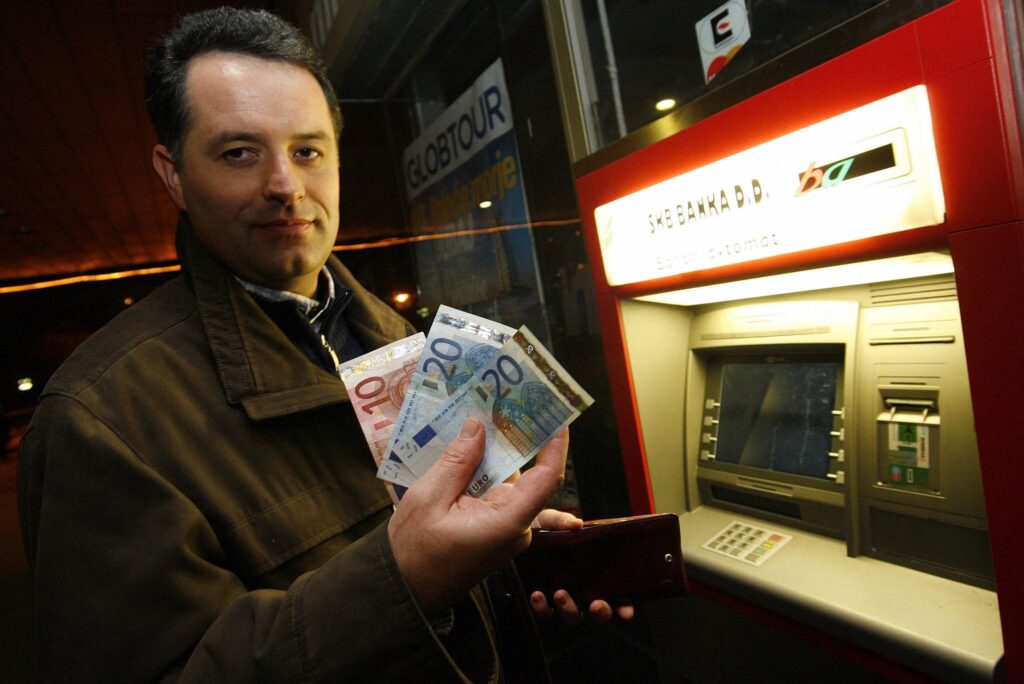
Did you know Slovenia is about the size of Massachusetts? It has some of Europe’s most diverse landscapes. Understanding the slovenia currency is key for a stress-free trip.
Handling foreign money can seem tough, but it’s not. Knowing how to manage your money lets you enjoy the Julian Alps or Ljubljana’s streets more. You won’t spend time stressing about exchange rates.
Preparation is the key to a smooth trip. Learning about the currency in slovenia makes you confident. You’ll be ready to explore this beautiful country with ease.
Key Takeaways
- The nation uses the Euro as its official legal tender.
- Credit cards are widely accepted in major cities and tourist hubs.
- Always carry some cash for small shops or rural mountain huts.
- ATMs are easy to find throughout the country for quick withdrawals.
- Notify your bank of your travel dates to avoid card blocks.
Understanding the Slovenia Currency Landscape
Planning a trip to Slovenia? Knowing the local currency is key for a smooth trip. The country has changed a lot, moving from a post-Yugoslavian system to a modern European economy. Now, the slovenian euro is used for all daily transactions.
The Euro as the Official Legal Tender
Since January 1, 2007, the euro is the slovenia official currency. This change made travel easier for international visitors. You no longer face complex exchange rates for different currencies.
Whether in Ljubljana or the Julian Alps, the euro is widely accepted. This makes budgeting easier, as you can use the same money as in other eurozone countries. Prices are clearly in euros, helping you keep track of your spending.
Historical Context of the Slovenian Tolar
Before the euro, the tolar was the slovenian national currency. Introduced in 1991, it symbolized the nation’s independence. It replaced the Yugoslav dinar and helped stabilize the economy during a time of rapid change.
Travelers often wonder if they can convert euro to slovenian tolars at banks. But the tolar is no longer used for daily purchases. You might find old coins or notes in souvenir shops, but they’re not for legal tender today.
Why Slovenia Adopted the Euro
Slovenia adopted the euro to strengthen its ties with the European Union. Joining the eurozone in 2007 brought stability and more trade opportunities. This move aligned the nation with European economic standards.
For travelers, this means greater financial transparency and ease. You avoid the risks of exchange rate changes. This makes Slovenia a more accessible and user-friendly destination for visitors from the United States.
Current Slovenia Euro to USD Exchange Dynamics
Traveling abroad means you need to know about the slovenia euro to usd exchange rates. The rates change often, from when you book your trip to when you arrive in Ljubljana. Keeping up with these changes helps protect your money.
Factors Influencing the Exchange Rate
Many things affect the slovenian to euro exchange rate. Central bank policies, interest rates, and world events are key. These factors show the economic health of the Eurozone.
Trade balances and inflation reports also play a big role. These can cause the slovenia foreign exchange market to be unpredictable. Knowing this helps you understand the market better.
How to Monitor Real-Time Currency Fluctuations
Tracking your money doesn’t have to be hard. Use a reliable slovenia currency converter for the latest rates. Many people like mobile apps that send alerts for big changes.
- Follow major financial news for updates on the euro to slovenian currency pair.
- Use a slovenian dollar converter to plan your spending.
- Set alerts on your banking app for the latest trends.
“Currency markets are inherently unpredictable, but consistent monitoring provides the clarity needed to manage your travel budget with confidence.”
Impact of Global Economic Trends on Your Travel Budget
Global trends affect how much your money is worth. A strong dollar means you can do more in Slovenia. But a weak dollar means you need to spend less.
Watching the slovenia money exchange rate helps you plan. This way, your trip can be fun and affordable. Strategic planning is key to enjoying your trip without worrying about money.
Banking and Financial Services for US Travelers
Traveling to Slovenia means knowing how to manage your money. The country’s financial system makes slovenia euro to usd conversions easy. This helps you enjoy your trip without worrying about money.
The banking system in Slovenia is reliable. It meets your financial needs, whether you’re in the capital or the countryside. The infrastructure supports international visitors well.
Role of the Slovenian Central Bank
The Slovenian Central Bank keeps prices stable and oversees the financial system. It ensures a smooth transition to the euro for everyone.
You might not directly deal with this bank. But its rules help keep your money safe and transactions smooth. It regulates commercial banks to protect your financial dealings.
Accessing ATMs and Banking Infrastructure in Ljubljana
Finding currency in ljubljana is easy. The city has many banks and ATMs. You can withdraw cash with US debit or credit cards at most places.
Most ATMs support English, making it easy to use them. Always check your bank’s policies on international withdrawals. This way, you’ll know about any fees for slovenian to usd conversions.
Security Measures for Foreign Debit and Credit Cards
Keeping your money safe is crucial when traveling. Slovenian banks and merchants use chip-and-PIN technology for secure transactions.
Always check your statements for any unauthorized activity. Using contactless payments is also a good idea. It reduces the risk of card skimming in crowded areas.
Practical Tips for Currency Exchange in Slovenia
Understanding the currency in Slovenia is key to saving money. The euro is the main currency, but knowing where to exchange your money can save you a lot. This is especially true when you’re traveling.
Where to Find Reliable Currency Exchange Services
For the best exchange rate in Slovenia, go to well-known banks. Banks in Ljubljana and big cities offer safe and clear services for your Slovenia foreign exchange needs.
Authorized exchange bureaus are also a good choice. They show the Slovenia currency exchange rate clearly. This lets you compare prices before you exchange your money.
Avoiding Common Pitfalls at Tourist-Heavy Locations
Be careful with kiosks in busy tourist spots or airports. They often have a less good Slovenia money exchange rate. This is because they have high costs and little competition.
Check if the service charges a flat fee or a percentage. Hidden fees can eat into your budget. Always ask how much you’ll get before you give them your money.
Using Bank of Slovenia Currency Exchange Facilities
Many think they can exchange money at the Slovenian Central Bank. But, the Bank of Slovenia currency exchange is mainly for official business, not for tourists.
Stick to commercial banks or trusted exchange offices for your needs. Knowing the Slovenia exchange rate before you go helps you make smart choices while you’re there.
| Exchange Method | Reliability | Typical Fees |
|---|---|---|
| Commercial Banks | High | Low to Moderate |
| Authorized Bureaus | Moderate | Moderate |
| Airport Kiosks | Low | High |
| ATM Withdrawals | High | Variable (Bank Dependent) |
Choosing the right way to exchange your money keeps your Slovenian to euro exchange rate good. Keep your receipts and watch your spending. This way, you can enjoy Slovenia’s beauty without worrying about money.
Digital Payments and Cash Usage in the Eurozone
Knowing how to use both digital and cash payments is crucial in the slovenia eurozone. Urban areas often use modern tech, but it’s smart to have cash ready too. This way, you’re always prepared during your travels.
The Prevalence of Contactless Payments
Contactless payments are common in the country. You can use your card or mobile wallet easily in shops and cafes.
This makes handling your currency in ljubljana super easy. Most places prefer tap-to-pay, which makes buying things faster for everyone.
When You Absolutely Need Physical Cash
Even with digital payments, carrying some cash is still a smart strategy. You might find small vendors, rural markets, or old machines that don’t take cards.
Having a bit of cash helps when you want a quick snack or a souvenir from a street stall. It’s wise to keep some cash for these situations.
Managing Your Slovenian Euro Conversion Fees
Be careful with your slovenian euro conversion when using cards. Always choose to pay in local currency if you can. This avoids extra fees.
Choosing local currency helps you avoid Dynamic Currency Conversion (DCC) fees. These fees often have bad exchange rates. By being careful, you can save money on your currency in ljubljana spending.
Navigating Slovenia Eurozone Membership Benefits

Slovenia’s move into the eurozone makes traveling in Central Europe easier. By using the euro as its slovenia official currency, it has cut down on travel hassles. Your trip will be smoother and more predictable.
Seamless Travel Across European Borders
Being in the slovenia eurozone helps a lot when traveling to Italy, Austria, and Hungary. You won’t have to exchange money at every border. This makes your journey more enjoyable, without the worry of different currencies.
Standardization of Pricing and Financial Regulations
The slovenian monetary policy is tied to the European Central Bank. This means prices for things to buy stay the same everywhere. It’s easier to keep track of your money, helping you stick to your budget.
What US Travelers Should Know About VAT Refunds
As a US visitor, you might get a VAT refund on your buys. Slovenia’s strict EU rules make it easy to get this refund. Just ask for a “Tax-Free” form when you buy something to get back some of your money.
| Benefit Category | Traveler Advantage | Key Impact |
|---|---|---|
| Currency Usage | Single currency system | Eliminates exchange fees |
| Price Transparency | Standardized regulations | Easier budget tracking |
| Tax Savings | VAT refund eligibility | Lower total trip cost |
| Border Crossing | Seamless movement | Saves valuable time |
Common Misconceptions About Slovenian Money
Some people think they’ll find old money in Slovenia, but it’s not true. The real story is different. Knowing the truth helps you plan your trip budget better.
Debunking Myths About Converting Old Tolars
Many think you can still use old slovenian national currency, the Tolar. But, this is a myth.
The Tolar was replaced by the Euro a long time ago. You can’t use old Tolar notes anymore. They’re now collector’s items, not money you can spend.
“Financial clarity is the foundation of a stress-free journey. Always verify the current legal tender before you travel to avoid unnecessary confusion.”
Clarifying the Slovenia Currency Symbol and Denominations
The slovenia currency symbol is the Euro (€). There’s no special slovenian currency symbol like some think.
The slovenia currency code is EUR, known worldwide. You’ll see banknotes from 5 to 500 Euros and coins in cents. Knowing these helps you understand your change easily.
Distinguishing Between Local Currency and Euro Standards
It’s important to know the difference between old slovenian money and the Euro. Slovenia uses the Euro system now.
The slovenia national currency is the Euro. It works the same as in other Eurozone countries. There’s no need to worry about a special euro to slovenian currency rate, as the Euro is the only money used.
| Feature | Old Tolar Standard | Current Euro Standard |
|---|---|---|
| Legal Status | Expired | Active |
| Currency Code | SIT | EUR |
| Symbol | None (Tolar) | € |
| Usage | Collector Only | Daily Transactions |
Strategic Financial Planning for Your Slovenian Trip
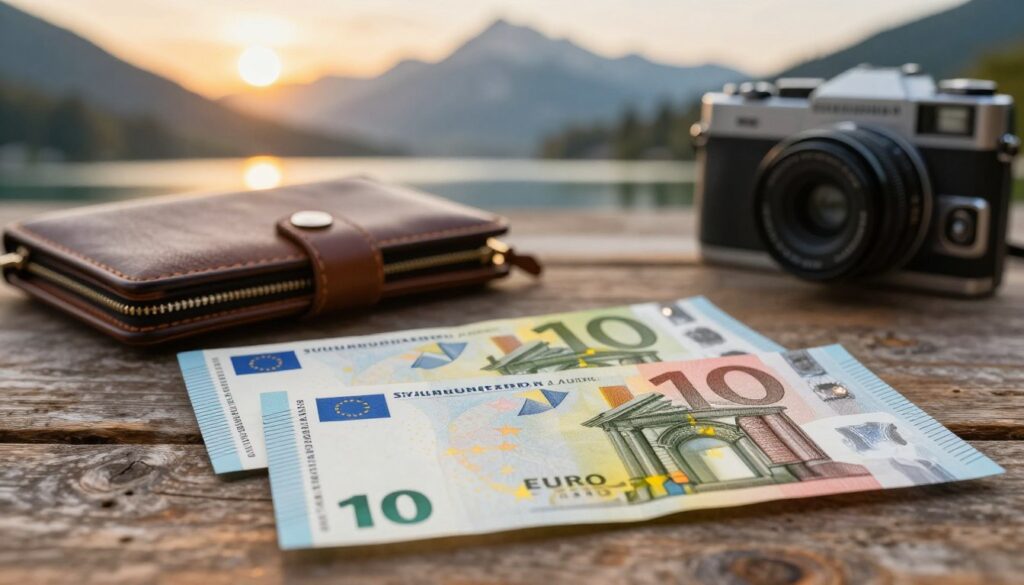
Having a solid financial plan is key for a stress-free Slovenian vacation. Start planning your slovenia money early to enjoy the beautiful Julian Alps or Ljubljana’s charm without worry.
Budgeting for Daily Expenses in Ljubljana
Ljubljana has something for every budget. Save money by using the city’s excellent public infrastructure. Enjoy free tap water at public fountains.
Remember, the official slovenia currency code is EUR. Keep a daily log of your spending. This way, you can enjoy local cafes and markets without overspending.
Tips for Minimizing Foreign Transaction Fees
Check if your bank offers cards with no foreign transaction fees before you go. Use a slovenia currency converter app on your phone. It helps you track exchange rates in real-time.
Always choose to pay in local currency when using a card. This avoids bad exchange rates from dynamic currency conversion services.
Preparing Your Financial Documents Before Departure
Before you fly, tell your bank about your travel plans. This prevents your cards from being blocked. Get used to the slovenian currency symbol (€) to quickly spot prices.
Don’t just use a slovenian dollar converter. It might not match your bank’s rates. Keep digital copies of your travel insurance and bank info in a secure folder.
Make sure you have a backup payment method. Check your slovenian currency code and banking details. This prepares you for any situation during your trip.
Conclusion
Your trip to Central Europe is going to be amazing. You’ll see old history and new modern things. Knowing about the euro and local banking makes money matters easy.
Now, you can handle your money well on your trip. Use both digital payments and cash. This way, you’re set for anything, from busy markets in Ljubljana to quiet mountain towns.
With the eurozone, moving between countries is easier. You can enjoy Slovenia’s beautiful views and lively culture without money worries.
Make sure your money stuff is in order and watch your spending. Your hard work means a great trip in this friendly country. Enjoy every part of your journey and find the special beauty of this place.
FAQ
What is the official Slovenia currency and why was it adopted?
The official currency of Slovenia is the Slovenian Euro (EUR). It was adopted in 2007 after joining the eurozone. This change, led by the Slovenian Central Bank, made trade and travel easier. It aligns Slovenian money policies with the European Central Bank.
Can I still convert euro to slovenian tolars at local banks?
You can’t use tolars for everyday shopping anymore. But, you can exchange euros for tolars at the Bank of Slovenia in Ljubljana. For your trip, focus on using the Slovenian Euro, as the tolar is no longer legal tender.
How can I find the most accurate slovenia euro to usd exchange rate?
Use reliable tools like XE.com or the OANDA mobile app to find the best rates. The exchange rate changes with global market trends. Keeping an eye on these tools will help you plan your budget.
Is it easy to find a place for slovenia foreign exchange in major cities?
Yes, finding places to exchange money in Ljubljana and Maribor is easy. Major banks like NLB and SKB offer currency exchange. For the best rates, use ATMs to withdraw euros directly.
What is the slovenia currency code and slovenian currency symbol I should look for?
The currency code is EUR, and the symbol is €. Look for this symbol when shopping or dining. It helps avoid confusion with other currencies.
Are digital payments common, or should I carry a lot of slovenian money?
Digital payments are common in Slovenia. Most places accept Visa and Mastercard. Still, carry some cash for small purchases at local markets or guesthouses.
How does Slovenia’s eurozone status benefit US travelers visiting neighboring countries?
Slovenia’s eurozone status makes travel to Italy, Austria, and Hungary easier. You won’t need different currency converters for each country. This simplifies your trip and saves on exchange fees.
Can US tourists claim a VAT refund on purchases made with slovenian currency?
Yes, non-EU residents can get a VAT refund on big purchases. Look for “Tax-Free” signs at places like Galerija Emporium. You’ll need your passport and the right paperwork to get your refund at the airport.
What is the best way to minimize fees when using my cards for slovenia money?
Check if your bank offers cards with no foreign transaction fees before you go. Use these cards at ATMs affiliated with the Slovenian Central Bank. This way, you avoid high fees at tourist ATMs.

Adam G
This post was created by Adam G, a seasoned financial writer with a passion for explaining currency exchange and market movements
 English
 简体中文
简体中文 Español
 Deutsch
 Français
 العربية
 Polski