
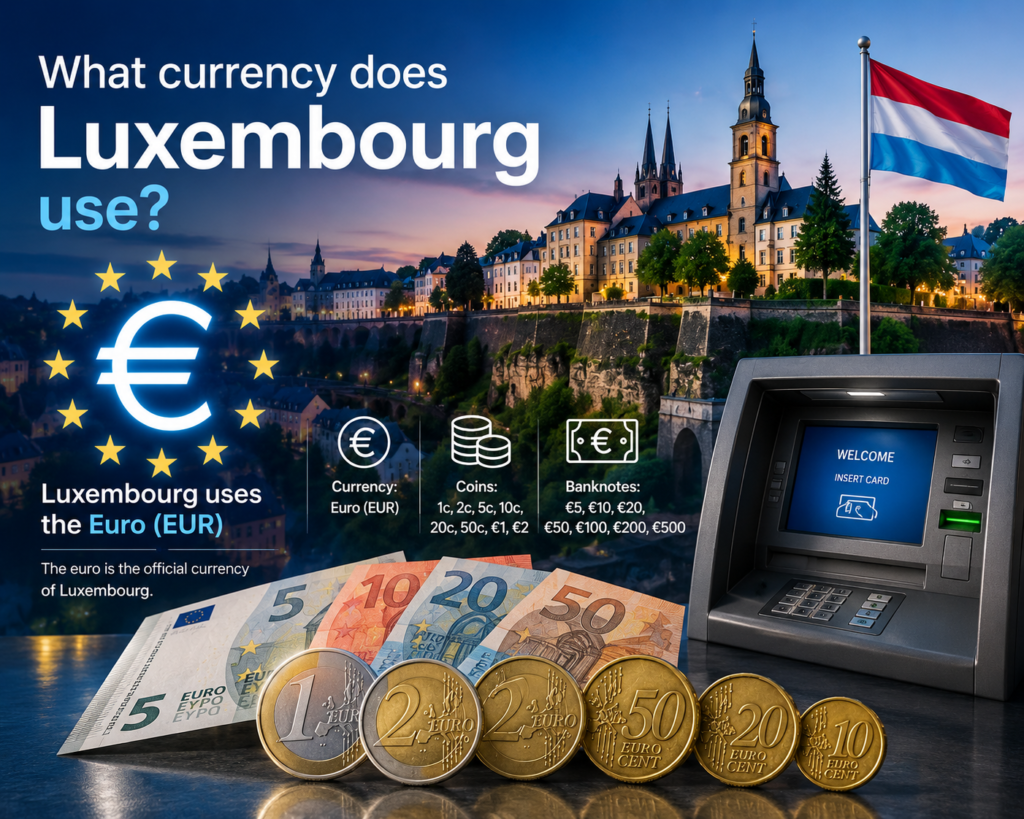
Did you know Luxembourg has the highest GDP per capita in the world? It’s a small nation in Europe, known for its rich history and modern financial system.
Travelers often ask what currency does Luxembourg use when planning their trip. Since it’s fully part of the European financial system, the Euro is the main currency.
Knowing the currency in Luxembourg makes budgeting easier. Being ready helps your trip go smoothly as you explore this wealthy place.
Key Takeaways
- Luxembourg is a highly affluent nation located centrally in Europe.
- The official legal tender throughout the country is the Euro.
- Credit and debit cards are widely accepted in most urban establishments.
- Carrying a small amount of cash is helpful for local markets or small cafes.
- The nation is fully integrated into the broader European financial network.
Understanding What Currency Does Luxembourg Use
Knowing the currency of Luxembourg is key for visitors. The luxembourg official currency is the euro, used by many European Union countries. This knowledge helps travelers manage their money while exploring.
For those familiar with European travel, the answer to what currency does Luxembourg use is clear. The luxembourg currency is accepted everywhere in shops, restaurants, and public transport. Transactions are smooth and consistent with other countries.
The luxembourg currency name is the euro, with the luxembourg currency symbol (€). You might see prices written differently, using a decimal comma instead of a point.
For banking or financial records, the luxembourg currency code is EUR. This code is crucial for international wire transfers or checking exchange rates. Here’s a quick guide to the money used in Luxembourg.
| Feature | Details | Notes |
|---|---|---|
| Currency Name | Euro | Official legal tender |
| Currency Code | EUR | Used for banking |
| Currency Symbol | € | Standard notation |
| Decimal Format | Comma (,) | Used for pricing |
The Historical Transition to the Euro in Luxembourg
The switch to the euro was a big change for Luxembourg’s money scene. For years, the luxembourg national currency was the Luxembourgish franc, tied to the Belgian franc. This link kept the local economy stable before Europe started to unite.
In 1999, Luxembourg started using the euro for bookkeeping. At first, it was only for online deals and banking. This gave businesses and government a chance to get ready before the euro coins and bills came out.
By 2002, the luxembourg euro was the everyday money for everyone. It replaced the old luxembourgian currency, making shopping and traveling easier in the eurozone. This move made Luxembourg a key player in European finance and banking.
The table below shows the main events in this big change in Luxembourg’s money history:
| Year | Milestone | Status |
|---|---|---|
| 1999 | Euro Adoption | Book Money Only |
| 2000 | System Integration | Banking Transition |
| 2002 | Cash Launch | Full Circulation |
The Role of the Luxembourg Central Bank in the Eurozone
The Banque Centrale du Luxembourg connects national heritage with the modern European monetary system. As a key part of the Eurosystem, the luxembourg central bank. keeps the country tied to the European financial system.
This bank makes sure the luxembourg euro works well within the country. It works with the European Central Bank to set policies that keep the economy stable. This helps both locals and visitors.
The bank also focuses on keeping the nation’s monetary history alive. It lets people exchange old Luxembourgish franc banknotes for free. This way, no one loses value from before the euro.
The bank also makes national coins that are part of the euro luxembourg. currency. These coins show off the Grand Duchy’s unique culture. They are a big hit with travelers.
Knowing how the luxembourg euro is managed is important. The luxembourg central bank. balances tradition with modern efficiency. This makes all financial dealings safe and smooth. Whether you use cash or digital payments, your euro luxembourg. experience will be reliable.
Practical Tips for Using Cash and Cards in Luxembourg
Luxembourg’s financial scene is a mix of digital and physical payments. Knowing the currency in Luxembourg can ease your travel worries.
Most places accept Visa and Mastercard. Contactless payments are common, making it easy to pay for things with a tap.
Even with digital payments, carrying some luxembourg money in cash is wise. Small cafes and local markets often prefer cash. Keep a few coins and small bills handy.
Use cards with chip and PIN technology for the best experience. This tech works well with local systems. Tell your bank about your travel plans to avoid account blocks.
ATMs are everywhere, especially in cities and near transport hubs. They usually have instructions in English. Here’s a quick guide for choosing payment methods.
| Payment Scenario | Recommended Method | Reasoning |
|---|---|---|
| Large Retail Stores | Credit/Debit Card | Fast and secure processing |
| Local Street Markets | Cash | Preferred by small vendors |
| Public Transportation | Contactless Card | Convenient and efficient |
| Small Village Cafes | Cash | Avoids minimum spend limits |
Having both digital and physical luxembourg money makes traveling easier. Plan ahead to enjoy your trip without financial stress.
Navigating Luxembourg Currency Exchange Services
Finding a good luxembourg exchange rate is easier when you know where to go. Many tourists go to the first place they see. But, experienced travelers look for established banks.
There are over 150 banks in the country. They are the best places to handle your currency in luxembourg. Banks offer clear prices and professional service. This is something tourist bureaus often can’t match.
When looking for luxembourg foreign exchange services, stay away from small booths in tourist areas. These places often have hidden fees or bad rates. This can quickly use up your money.
Go to a local bank instead. Banks are safe, efficient, and offer good rates. This way, you can save money while seeing the country’s beauty.
Always remember to bring a valid ID, like a passport, to the bank. Following these tips will help you manage your money well while traveling.
Current Trends in the Luxembourg Financial System
The Luxembourg financial system is a key part of Europe’s stability. It’s a major hub for business and finance. The country has a highly developed banking infrastructure for both locals and visitors.

ATMs and digital payment terminals are everywhere in Luxembourg. This makes financial transactions smooth, no matter where you are. The country’s commitment to a top-notch economy is clear.
Several key factors shape the Luxembourg financial system for international visitors:
- Advanced Digital Integration: Most places use contactless and mobile payments.
- Strict Regulatory Oversight: High standards keep money movement safe and clear.
- Global Connectivity: The banking network meets international standards, making money management easy.
Travelers greatly benefit from these strong systems. The strict rules mean your money and data are safe. This lets tourists enjoy the local culture more, without worrying about their money.
The Luxembourg financial system makes travel easy. It helps visitors manage their budget well. The mix of modern tech and clear rules makes Luxembourg a top choice for travelers.
Managing Your Budget with the Luxembourg Official Currency
When you visit, knowing the luxembourg currency costs helps avoid surprises. Planning your spending lets you enjoy sights without worrying about money. Setting trip expectations makes your visit stress-free.
The luxembourg official currency is the Euro, making shopping easier for many. Prices change with the season and place. A good budget balances comfort and exploring.
Accommodation is a big part of your budget. A double room in a mid-range hotel costs €120 to €200 per night. Booking early saves money, especially in busy seasons.
Think about dining and transport to manage your luxembourg currency. Public transport is reliable and affordable. Here are some daily cost estimates:
| Expense Category | Estimated Daily Cost | Budget Tip |
|---|---|---|
| Mid-range Hotel | €120 – €200 | Book early |
| Casual Dining | €20 – €40 | Try local cafes |
| Public Transport | €0 – €10 | Use regional passes |
Tracking your spending makes the luxembourg official currency work for you. Focus on your favorite activities and watch your spending. A bit of planning ensures a fun and affordable trip.
Digital Payments and the Future of Money in Luxembourg
The way people pay in Luxembourg is changing. Now, seamless, digital-first experiences are the norm. Visitors won’t need cash for everyday things.
Contactless payments are everywhere. Whether you’re buying coffee or taking the bus, tap-to-pay technology works well.
Mobile wallets like Apple Pay and Google Pay are common. They keep your money safe on your phone. And they make instant transactions easy.
“The transition to digital finance is not just about convenience; it is about creating a more accessible and transparent economy for everyone who calls Luxembourg home or visits its borders.”
Using these tools makes managing your money easier. You don’t have to look for ATMs or carry lots of coins. Most places prefer electronic payments.
| Payment Method | Convenience Level | Primary Use Case |
|---|---|---|
| Contactless Cards | High | Retail and Dining |
| Mobile Wallets | Very High | Public Transport and Shops |
| Physical Cash | Low | Small Markets and Tips |
Luxembourg is always finding new ways to use digital infrastructure. Travelers who use these methods will have a better time in Luxembourg.
Comparing Euro to Luxembourg Exchange Rates for US Travelers
Traveling to Europe means understanding the euro to Luxembourg exchange rate. Many Americans don’t know that choosing how to pay can affect their costs. Knowing this can help save money on your trip.
At ATMs or payment terminals, you might be asked to choose your currency. Always pick the local currency, EUR, to avoid high conversion fees. This way, your bank converts the money, saving you money.
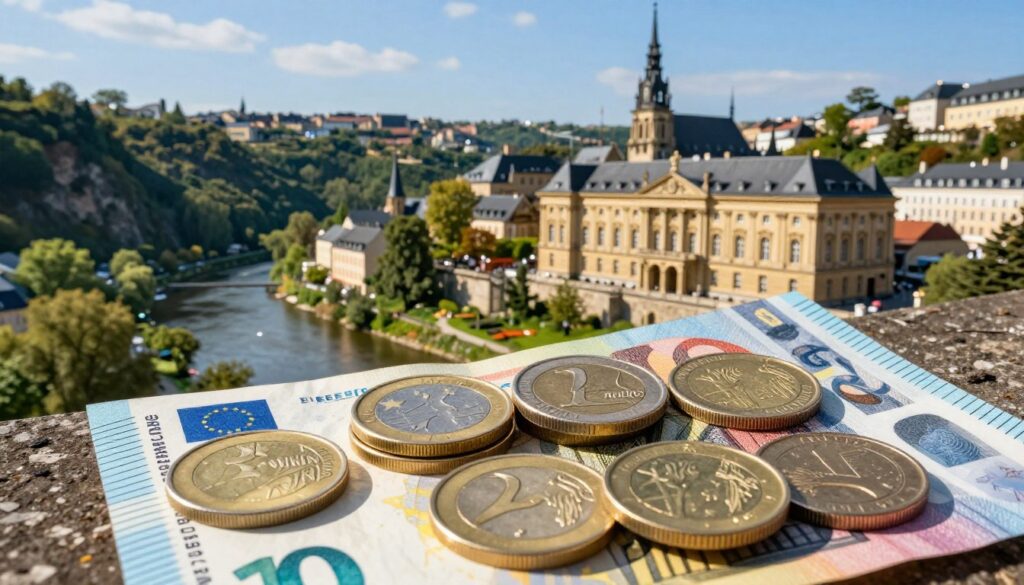
The luxembourg exchange rate can change, but extra fees from currency conversion are worse. Choosing the local currency avoids these fees. This is the best way to control your spending abroad.
Knowing about the euro luxembourg relationship is key for travelers. Always check your bank’s fees for foreign transactions before you go. Look for travel cards with no fees for the best deal.
If unsure, always choose the local currency for a fair price. Choosing wisely at checkout can save you a lot. Stay alert, and your money will go further in Luxembourg.
Security and Safety When Handling Luxembourgian Money
Traveling with luxembourgian money means knowing the customs rules. It’s important to understand these to avoid any trouble during your trip.
Remember, there’s a rule about carrying cash. You can bring or take out up to €10,000 in luxembourg money without declaring it. But, if you have more, you must tell customs when you arrive or leave.
Keeping your luxembourgian money safe is crucial. It’s best to store it in a secure spot, not in a pocket or bag that’s easy to grab. A money belt or a hidden neck pouch can help prevent theft in crowded places.
Be careful in busy areas like train stations or city squares. Keeping your luxembourg money hidden lets you enjoy the country’s beauty without worry. Simple safety steps can protect your money during your trip.
Common Mistakes Travelers Make with Luxembourg Currency
Many visitors think all Euro banknotes are the same. But in Luxembourg, this is a big mistake. While the money is legal, local shops might not want to take big bills for small things. Using large bills can make buying things awkward.
Trying to pay for cheap items with big bills like €100 or €500 can cause trouble. Small business owners usually don’t have enough change for these bills. To make your shopping easy, follow these essential tips for handling your money:
- Carry smaller denominations: Keep €5, €10, and €20 notes for everyday spending.
- Use cards for large amounts: Use a card for big purchases to avoid cash issues.
- Check your change: Always check the change you get, especially in tourist areas.
- Avoid high-value bills: Break big bills at banks or big stores where they have more cash.
By following these tips, you can avoid payment problems. Being aware of the local preference for smaller bills shows respect for the shopkeepers. Getting your wallet ready before you go lets you enjoy Luxembourg’s beauty without worrying about money.
Conclusion
Getting around Luxembourg’s finances is easy with the right prep. Travelers who get the euro system feel more confident with their money. This confidence helps them enjoy their time in this historic place.
Good banking and card use make trips smooth. Using the local currency saves money and keeps your budget in check.
Planning ahead means less stress over money and more fun. See the amazing sights of Luxembourg City and the peaceful Ardennes. There’s so much to see and do.
Remember these tips for a worry-free trip. A smart traveler can dive into the culture and beauty of Luxembourg. Enjoy your time in this stable and charming European spot.
FAQ
What currency does Luxembourg use for daily transactions?
The official currency of Luxembourg is the euro (€). It is used for all cash and electronic transactions throughout the country.
What is the luxembourg currency code used in banking?
The international luxembourg currency code is EUR. This is the code you will see at banks and on exchange rate boards.
Can I find a luxembourg currency symbol on local price tags?
Yes, the luxembourg currency symbol is the € (euro sign). It is usually placed after the numerical value, often separated by a comma for decimals.
Where can I get the best luxembourg exchange rate?
For the most competitive luxembourg exchange rate, it is recommended to use local ATMs or visit major banks like Spuerkeess rather than airport kiosks.
Is it easy to find a luxembourg currency exchange in the city center?
While luxembourg currency exchange bureaus exist in the city center and at Luxembourg Airport, using a bank-affiliated ATM is generally more cost-effective for travelers.
What was the luxembourg national currency before the euro?
The luxembourg national currency before 2002 was the Luxembourgish franc, which was pegged to the Belgian franc.
Do I need much cash, or is luxembourgian money mostly digital?
The luxembourg financial system is highly digitized, but it is still wise to carry some luxembourgian money in cash for small purchases at local bakeries or markets.
How does the luxembourg central bank influence the money in circulation?
The luxembourg central bank (BCL) issues national versions of euro coins and ensures the stability of the currency in luxembourg as part of the Eurosystem.
Is the currency of luxembourg different from the currency in Germany or France?
No, the currency of luxembourg is the same as its neighbors; they all use the luxembourg euro (the common European euro).

Adam G
This post was created by Adam G, a seasoned financial writer with a passion for explaining currency exchange and market movements
 English
 简体中文
简体中文 Español
 Deutsch
 Français
 العربية
 Polski