
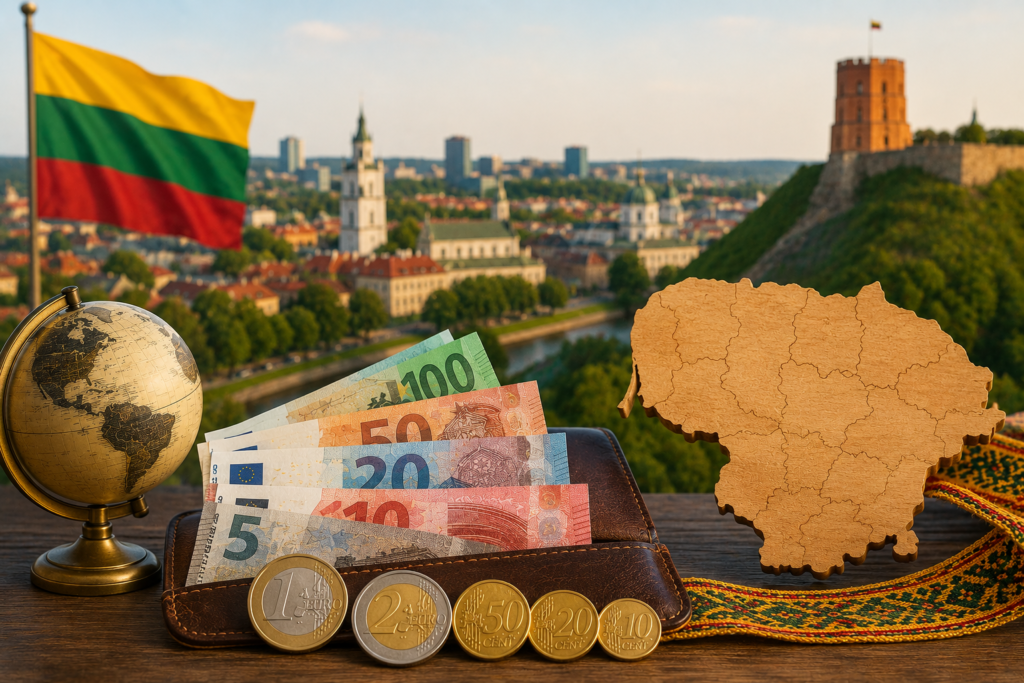
Did you know over 340 million people in Europe use the same money? This big change happened when a Baltic country joined the economic union.
Many people wonder what is the currency in lithuania before they travel. Lithuania switched from the litas to the euro on January 1, 2015.
This change was a big step for Lithuania’s money scene. Now, the currency in lithuania is the euro. It makes traveling and shopping easy for visitors worldwide.
Knowing the currency used in lithuania helps you budget better. Let’s look at how this change affects your trip and daily spending in this lovely Baltic place.
Key Takeaways
- Lithuania officially adopted the euro on January 1, 2015.
- The previous national tender, the litas, is no longer in circulation.
- Travelers benefit from using a widely accepted European monetary unit.
- Cash and card payments are both standard throughout the country.
- Major cities offer easy access to ATMs for your financial needs.
Understanding What Is the Currency in Lithuania Today
Lithuania’s economy has changed a lot, shaping its modern state. Many people wonder what is the currency in Lithuania before they visit. Now, the country uses the euro, making it easy for tourists.
The Shift from the Lithuanian Litas to the Euro
For years, Lithuania used its own money. But on January 1, 2015, it switched to the euro. This change replaced the Lithuanian currency known as the Litas.
The government made sure the switch was smooth. They set the exchange rate at €1 to 3.45280 LTL. This helped keep the economy stable during the change.
“The adoption of the euro represents a strategic step toward deeper integration with European markets, fostering long-term growth and financial security for the Baltic region.
Current Status of the Euro in the Baltic Region
Now, the lithuania euro is the only money in Lithuania. As lithuania’s official currency, it makes trade and travel easier in the Baltic states. It helps move money and goods between Lithuania, Latvia, and Estonia.
The table below shows the main differences between the old and new currency:
| Feature | Lithuanian Litas (Historical) | Lithuania Official Currency (Euro) |
|---|---|---|
| Status | National Tender | European Union Legal Tender |
| Symbol | Lt | € |
| ISO Code | LTL | EUR |
| Usage | Domestic Only | International/Eurozone |
Using the euro in Lithuania makes traveling easier. Banking and digital payments are advanced, showing Lithuania’s modern economy. We suggest visitors enjoy the ease of travel with this standardized currency.
Historical Context of the Lithuanian Monetary System
Let’s explore the origins and changes of the lithuania national currency. The story of money in Lithuania is full of resilience. It shows the country’s fight for freedom and economic stability.
To understand the lithuania monetary system, we must see how different times shaped it. From the early 1900s to today, the lithuania currency has grown with the nation’s political achievements.
The Legacy of the Lithuanian Litas
The first lithuanian litas was introduced on October 2, 1922, after World War I. This was a key step for the young republic to have its own economy. It helped stabilize trade and commerce during uncertain times.
In 1993, Lithuania brought back the currency after gaining independence from the Soviet Union. This move was a symbol of national pride and a break from old economic systems. The lithuanian money reminded citizens of their regained freedom.
The litas’s legacy is marked by several important events:
- 1922: The litas was first introduced, marking Lithuania’s economic independence.
- 1993: The litas was reintroduced, solidifying Lithuania’s monetary system after the Soviet era.
- 1994: The currency was pegged to the US dollar for stability during market reforms.
- 2002: The peg was changed to the Euro, starting a new economic chapter.
The Path Toward Eurozone Integration
Lithuania aimed to join European markets more closely. This move was strategic for growth. Aligning with the European economy reduced risks and attracted investment.
The path to the Euro required economic discipline and changes. The government worked hard to meet Eurozone criteria. This included managing inflation and debt for a smooth transition.
The shift to the Euro showed Lithuania’s commitment to stability and shared prosperity. Although the lithuanian litas is still valued, joining the Euro solidified Lithuania’s global financial standing. This shows how the lithuania national currency has adapted to the modern world.
Practical Guide to Using the Euro in Lithuania
Getting to know the currency used in Lithuania makes traveling easier. With the euro, managing your money is simple for visitors. This change has made budgeting easier for everyone.
Denominations and Physical Currency Features
Handling lithuanian money means dealing with euro banknotes and coins. Banknotes range from 5 to 500 euros. Each note shows a different architectural style from European history.
Coins include 1, 2, 5, 10, 20, and 50 cents, plus 1 and 2 euro pieces. The front of coins looks the same everywhere in the Eurozone. But the back shows unique designs that celebrate lithuanian currency heritage.
Digital Payments and Card Acceptance Across the Country
Lithuania leads in digital payments. You’ll find cards accepted almost everywhere. Shops, hotels, and restaurants all take cards.
Using a travel money card, like the Wise card, is a smart way to handle your lithuania money. You can load it with your currency and switch to euros for spending. This saves you from high conversion fees.
| Payment Method | Acceptance Level | Best For |
|---|---|---|
| Contactless Cards | Very High | Daily purchases |
| Mobile Wallets | High | Quick transactions |
| Cash (Euro) | Moderate | Small local markets |
| Travel Cards | High | Managing euro in lithuania |
Navigating Lithuania Currency Exchange and Banking
We aim to make your trip to Lithuania worry-free. We’ll share key tips on local banking and currency services. Knowing how to handle your lithuania money lets you enjoy the Baltic scenery without financial stress.
Where to Find Reliable Exchange Services
Using local ATMs is often the best way to get cash. These machines are everywhere in cities and towns, offering good rates. For those who prefer lithuania currency exchange, you can find banks and authorized bureaus in major places.
If you have old banknotes, don’t worry. Lietuvos bankas will exchange them for you at a fixed rate. This means you won’t be stuck with old currency after the euro switch.
Understanding Lithuania Foreign Exchange Rates and Fees
Be aware of fees when you do lithuania foreign exchange. Check the lithuania exchange rate online before going to a kiosk. This way, you get a fair deal and avoid hidden costs.
Using international bank cards is usually the cheapest way to manage your lithuania money. But, tell your home bank you’re traveling to avoid account blocks. Knowing the lithuania exchange rate and choosing good banks makes lithuania foreign exchange easy.
Financial Tips for Travelers Visiting Lithuania
Starting your trip to Lithuania on the right foot means knowing how to manage your money. Plan your finances before you go. This way, you can enjoy the sights without worrying about money.
Being smart with your spending makes your trip affordable and worry-free. Good planning lets you move through the local economy with ease.
Managing Your Budget with the Lithuania Euro Conversion
When you get there, you’ll see the lithuania euro conversion is simple since they use the euro. Use a travel card from Wise to get the best deal. These cards offer the mid-market exchange rate, saving you money.
By avoiding high fees, you keep more cash for local adventures. This is a smart way to stretch your budget.
Keeping track of your spending is easier with digital apps tied to your travel card. This lets you see your lithuania currency exchange history. It helps you stay on budget during your trip.
Avoiding Common Pitfalls with Currency Conversion
Be careful of dynamic currency conversion at checkout. Always choose to pay in the local currency in lithuania when asked. Paying in your home currency can lead to hidden fees and bad rates.
Choosing your home currency can cost you more. Stay alert to these lithuania foreign exchange traps to save money on everyday purchases.
Also, avoid using airport kiosks for lithuania foreign exchange needs. They charge high fees that local banks or ATMs don’t. Plan ahead to dodge these common lithuania currency exchange traps and have a better trip.
The Impact of the Euro on the Lithuanian Economy
The euro’s introduction was a big change for Lithuania’s economy. It changed how the country deals with the world market. Since 2015, Lithuania has been working hard to fit better into the European Union.
This change has made a big difference for businesses and people living there. It has changed the financial scene a lot.

Economic Stability and Trade Benefits
One big plus of using the lithuania euro is less worry about currency changes. This makes it easier for Lithuania to trade with others. It also makes it safer for foreign money to come in.
Trade efficiency has gone up a lot. Companies don’t have to worry about converting money anymore. This makes it easier for small businesses to grow and for Lithuania to trade more with Europe.
Consumer Price Trends Since the Currency Adoption
Switching to the euro made some people worry about prices going up. But the government kept a close eye on prices to make sure they stayed fair.
Prices did change a bit, but not too much. The lithuania official currency helps keep the cost of living stable. This has helped people keep their buying power over time.
The lithuania euro conversion has helped the economy grow in a good way. It has made Lithuania stronger in the world. This move is helping the country stay stable and prosperous for everyone.
Comparing the Lithuanian Litas to the Euro
Looking at the past helps us understand Lithuania’s journey to financial stability. Before the euro, the lithuanian litas was key to the economy. We see how the lithuania exchange rate changed to get ready for the euro.
Historical Exchange Rate Dynamics
The switch to the euro needed a clear plan to keep things smooth. A fixed rate was set to build trust. The rate was €1 = LTL 3.45280.
This rate stayed the same for years, helping trade. It made things predictable for businesses. This stability helped when Lithuania joined the eurozone.
Why the Transition Was Necessary for Financial Growth
Choosing to leave the lithuanian litas was smart for the future. Adopting the euro made Lithuania more part of Europe. It made doing business easier and attracted more investors.
Also, it protected against big economic problems. Being part of a bigger group meant more security and better trade. This change was crucial for a strong economy and growth.
Essential Information on Lithuania Currency Codes and Symbols
Knowing the right currency codes and symbols in Lithuania is key. It’s important for travelers and business people alike. This knowledge helps avoid mistakes in daily money exchanges.
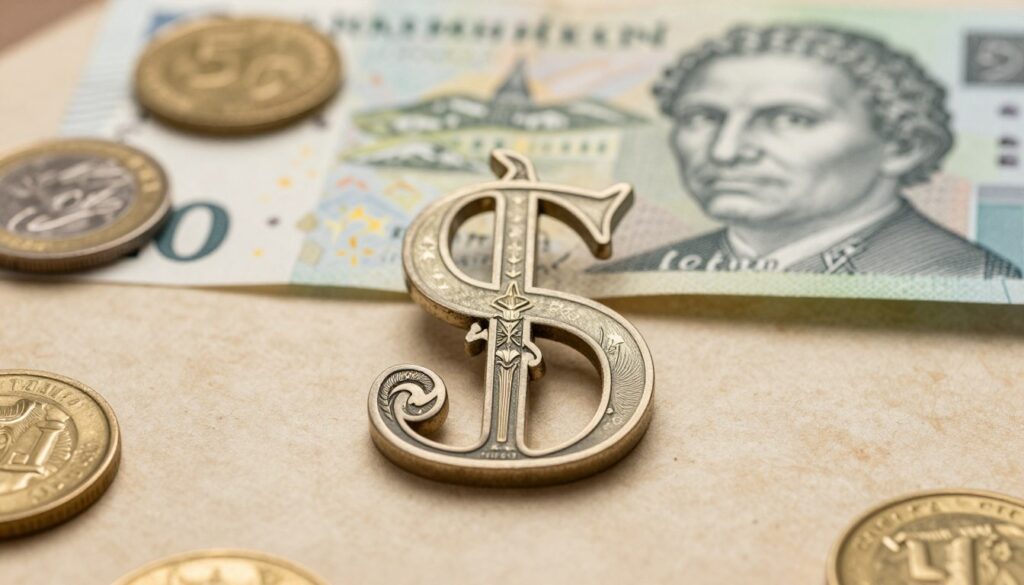
Recognizing the Official Currency Symbols
The main lithuania currency symbol today is the euro sign (€). It’s seen everywhere in Lithuania, from price tags to digital banking. It replaced the old lithuania money name, the litas.
“Financial clarity begins with understanding the language of money, where every symbol and code serves as a bridge for global commerce.”
It’s crucial to know these symbols, especially when looking at old financial documents. The euro is now the standard lithuania financial currency. But, old records might still show the litas. Knowing this helps avoid mistakes when checking costs or past statements.
Standardized Codes for International Transactions
For banking and wire transfers, the lithuanian currency code is key. The ISO 4217 standard uses EUR for the euro. The old lithuania currency code for the litas was LTL.
When looking at old data or doing an eur to ltl conversion, these codes are essential. Using the right lithuania currency name and code helps your international banking go smoothly.
| Currency Name | ISO Code | Symbol |
|---|---|---|
| Euro | EUR | € |
| Lithuanian Litas | LTL | Lt |
| US Dollar | USD | $ |
Local Perspectives on the National Currency Transition
Looking into the lithuania monetary system change shows how people and businesses adapted. This wasn’t just a technical update. It was a big event that affected every home. The success of this big change needed everyone’s help.
Public Sentiment Regarding the Euro Adoption
The government and the European Central Bank worked hard to keep people informed and safe. They launched big educational campaigns about the lithuania financial currency. These efforts were key in helping people understand the value of the lithuania national currency during the change.
Many people felt curious and a bit worried as the change got closer. But, clear, easy-to-understand information helped calm their fears. By sharing clear information, the authorities made sure the change was smooth for all.
How Local Businesses Adapted to the New Monetary System
Local businesses were key in making the transition successful. Many joined a program to teach their customers and staff about the euro. This helped them explain the new lithuanian currency code and lithuania currency symbol to shoppers.
Retailers spent time training their teams to handle the change well. They updated their systems to show the new lithuania currency code. This made sure transactions were correct and easy. Thanks to their teamwork, the change was smooth for their customers.
Conclusion
Lithuania is a mix of old Baltic traditions and new European ways. Switching to the euro is a big step for the country.
Now, traveling in Lithuania is easier because of the euro. You can buy things without worry. This makes planning your trip simpler, especially for those from the United States.
This guide helps you feel sure about your trip. Knowing about money lets you enjoy Lithuania’s culture and history more. Whether you’re in Vilnius or Klaipeda, you’re set.
Being ready with your money makes your trip better. You can shop and eat without stress. We’d love to hear about your money experiences in Lithuania. If you have questions about budgeting, let us know.
FAQ
What is the current lithuania money name?
The official lithuania money name is the euro. It replaced the old national currency, the litas, on January 1, 2015.
What is the official lithuanian currency code for international banking?
The lithuanian currency code used for all international transactions and banking is EUR. This is the standardized ISO 4217 code for the euro.
Can I still use the lithuanian litas in shops?
No, the lithuanian litas is no longer legal tender. All transactions must be made in euros. However, you can exchange old litas banknotes for euros at the Lietuvos bankas (Central Bank of Lithuania).
What is the lithuania currency symbol I should look for?
The lithuania currency symbol is the euro sign (€). You will typically see it placed after the price in Lithuanian shops and restaurants.
How can I check the lithuania exchange rate for my trip?
You can check the current lithuania exchange rate using financial tools like the Xe Currency Converter or Google Finance. For the most accurate travel planning, look for the mid-market rate.
What was the fixed rate for lithuania euro conversion?
During the transition, the lithuania euro conversion was set at a fixed rate of €1 to 3.45280 LTL. This rate was used to convert all savings and prices during the 2015 changeover.
Is the euro in lithuania different from the euro in Germany?
The euro in lithuania has the same value and the same banknotes as in Germany. However, the Lithuanian 1-euro and 2-euro coins feature a unique national design of the Vytis (a knight on horseback).
What is the best way to handle lithuania foreign exchange?
We recommend using a digital bank like Revolut or Wise to handle lithuania foreign exchange, as they offer better rates than traditional kiosks. If you need physical cash, ATMs from local banks like Swedbank are your best option.
Is Lithuania a cash-heavy country?
No, lithuanian currency is used both in cash and digital forms. Lithuania is very modern, and card acceptance is high even in small towns. You will rarely need much physical lithuania money.
What should I know about the lithuania financial currency system for business?
As part of the Eurozone, the lithuania financial currency system is governed by the European Central Bank. This provides businesses with a stable environment and eliminates the need for eur to ltl hedging when trading with other EU nations.

Adam G
This post was created by Adam G, a seasoned financial writer with a passion for explaining currency exchange and market movements
 English
 简体中文
简体中文 Español
 Deutsch
 Français
 العربية
 Polski