Did you know Montenegro uses the Euro, even though it’s not in the Eurozone? This fact often surprises visitors from the United States.
Montenegro is a small country with breathtaking beaches, mountains, and old towns. Whether hiking or relaxing by the Adriatic, knowing the montenegro currency is key for a smooth trip.
Handling montenegro money doesn’t have to be hard. By preparing your finances, you can avoid stress and enjoy your trip. We’ll help you with local spending and banking tips to get your wallet ready.
Key Takeaways
- The Euro is the official legal tender used throughout the country.
- Credit cards are widely accepted in major cities and tourist hubs.
- Always carry some cash for small shops and remote mountain villages.
- ATMs are easily accessible, but check with your bank regarding international fees.
- Exchanging US Dollars for Euros is best done at local banks or official exchange offices.
The Unique Status of the Euro in Montenegro
When you arrive in Montenegro, you’ll find the currency in Montenegro is the Euro. This makes traveling easier for Americans, who are used to a stable money system. Using the euro in Montenegro means you don’t have to deal with complicated exchange rates.
Why Montenegro Uses the Euro Without EU Membership
Montenegro uses the Euro, even though it’s not in the Eurozone. It adopted the currency in 2002 to fight high inflation. This made the montenegro euro the main money for all deals.
This choice was to boost investor trust and make trade easier. Even without EU membership, the montenegrin euro is key to the local economy. You can use standard European money during your visit.
Historical Context: From the Montenegrin Perper to the Dinar
The area’s financial history is varied, with many changes before the Euro. In the early 20th century, the montenegrin perper was the official money. Later, the montenegrin dinar was used as part of Yugoslavia.
The switch from the euro to montenegrin dinar was a big step for the nation’s finances. It moved away from past money troubles and showed a commitment to the Euro. This shows the country’s aim for financial stability.
The Role of the Central Bank of Montenegro in a Euroized Economy
The Montenegro Central Bank is crucial for the euroized economy. Since Montenegro doesn’t have its own currency, the bank can’t use usual tools like changing interest rates. Instead, it focuses on banking oversight and keeping the financial sector stable.
This setup means the bank acts as a financial watchdog. It manages the montenegro official currency use to keep the banking system strong for locals and visitors. You can count on a stable financial environment while exploring.
| Currency Era | Status | Primary Use |
|---|---|---|
| Montenegrin Perper | Historical | Kingdom Era |
| Montenegrin Dinar | Historical | Yugoslav Era |
| Euro | Current | Modern Economy |
Understanding the Montenegro Currency Landscape
Many travelers think they’ll find a unique currency in Montenegro. But, they find out it’s actually the Euro. This makes planning your trip finances much simpler.
Distinguishing Between Official Currency and De Facto Usage
The Euro is not just for tourists; it’s the official money for all transactions. You’ll see montenegrin money works like in other Eurozone countries. Whether buying a coffee or booking a hotel, you use Euro notes and coins.
You don’t need to get a local currency. Montenegro adopted the Euro, making it the main money for everyone. This system works for all your spending while you’re there.
Why You Will Not Find a Unique Montenegrin Currency Code
Since Montenegro uses the Euro, there’s no special montenegro currency code. You won’t see a unique montenegro currency symbol on prices or receipts. All financial stuff uses Euro international codes.
This might surprise visitors used to seeing their own currency. But, it makes traveling easier. You don’t have to worry about converting prices to a local currency.
The Absence of a Montenegrin Dinar or Perper in Modern Circulation
Older currencies like the montenegrin perper or montenegrin dinar are just museum pieces now. You won’t need to find an euro to montenegrin dinar rate. These old currencies are not used anymore.
Montenegro moved to the Euro for stability and ease. Your travel budget will be easy to manage without old money.
Practical Tips for Managing Your Money in Montenegro
Knowing how to manage your money is key to enjoying Montenegro. Prepare your payment methods before you go. This way, you can enjoy the beautiful views without worrying about the exchange rate montenegro.
“A budget tells your money where to go instead of wondering where it went.”
Where to Exchange Money in Montenegro Upon Arrival
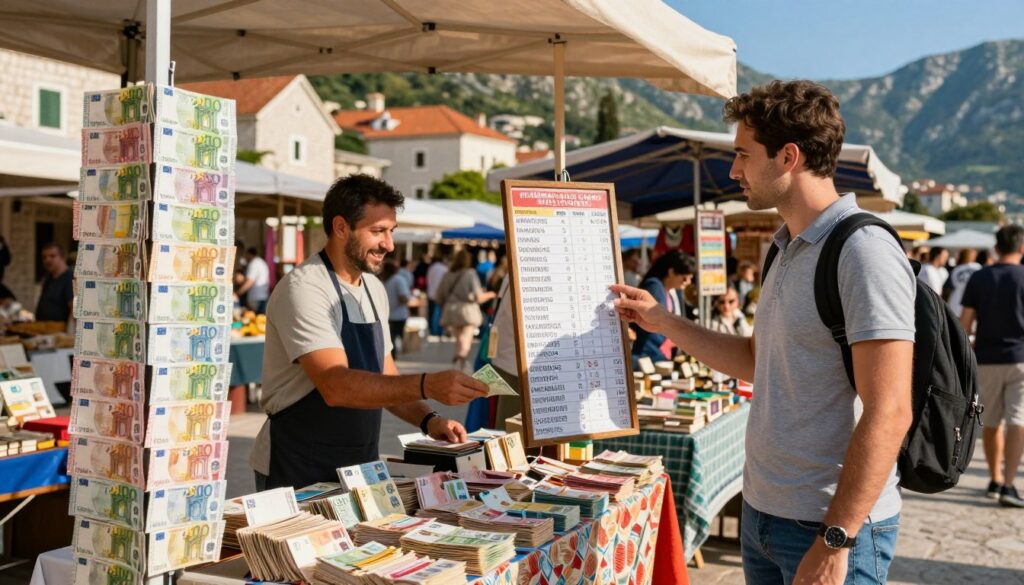
When you arrive, you’ll find places to get local currency. Banks and official exchange offices are the best places where to exchange money in Montenegro. They offer clear rates and professional service for your montenegro money.
Stay away from street vendors to keep your money and yourself safe. Always check the rates before you exchange money to get a good deal.
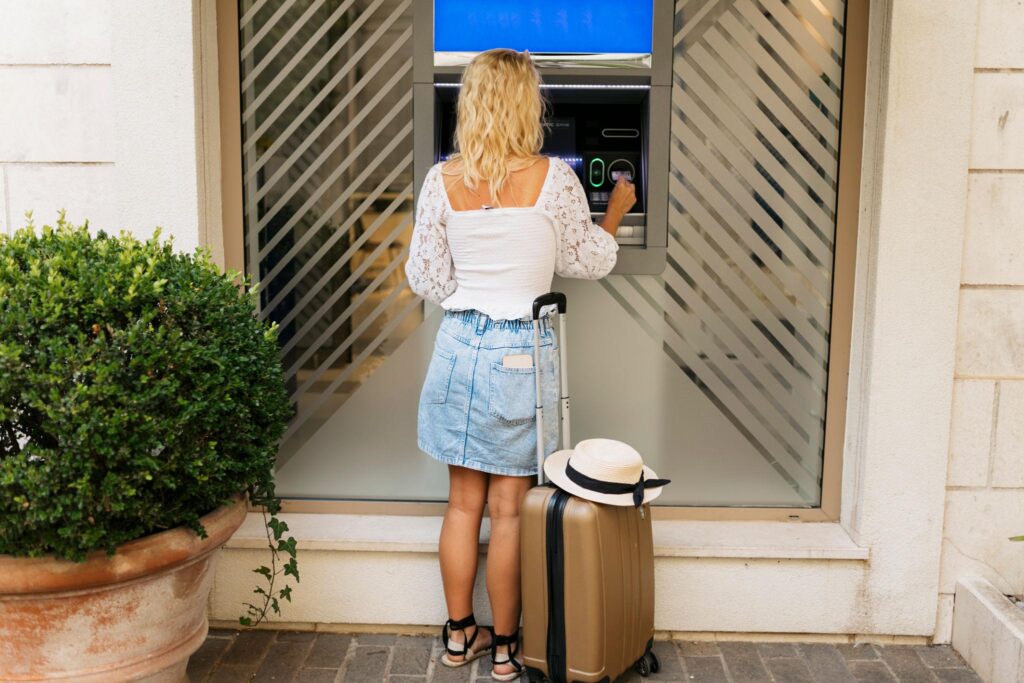
Using ATMs and Credit Cards Across the Country
Credit cards are widely accepted in Montenegro, making them easy to use. Bring an international card with no transaction fees to save money. This makes montenegro foreign exchange simpler.
ATMs are common in big cities and tourist spots. Use a montenegro currency converter app on your phone to track your spending.
Navigating the Euro to Montenegro Currency Conversion Process
Since Montenegro uses the Euro, you need to understand the euro to montenegro currency exchange if you have US Dollars. Keep an eye on the market trends to convert montenegro currency well. Planning your montenegro euro conversion before you leave can save you stress.
Use ATMs instead of airport kiosks to save money. Reliable currency exchange in Montenegro is found at banks and reputable networks.
Current Economic Trends and the Montenegro Currency
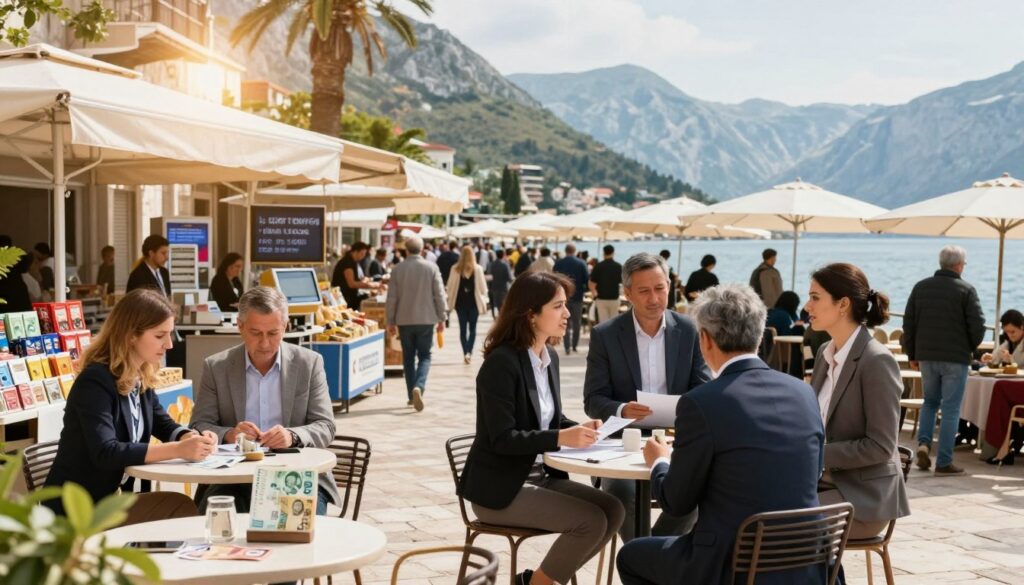
Montenegro is a growing destination that uses the Euro in its economy. This makes it familiar for visitors from the United States. The Euro helps keep the country stable for both locals and tourists.
How the Montenegro Economy Relies on the Euro
The montenegro economy heavily relies on the Euro. This avoids the ups and downs of smaller currencies. It makes prices easier to predict for travelers.
Local businesses also benefit from this stability. It attracts foreign investment and makes trade easier with Europe. This means prices in shops and restaurants are usually the same. The value of your dollar is tied to the Euro’s strength against the USD.
Impact of Global Exchange Rate Fluctuations on Local Prices
The Euro brings stability, but the montenegro exchange rate still matters when converting money. Global market changes can affect your money’s value. A strong dollar means your money goes further.
But, a weak dollar can make things more expensive. Tourism drives the montenegro economy, so prices adjust. Watching the montenegro exchange rate before you go helps manage your spending.
What American Tourists Should Know About Inflation and Purchasing Power
Knowing the exchange rate in montenegro is just the start. You also need to think about inflation. As Montenegro moves toward EU membership, prices might change.
Here’s a table to help you plan your budget:
| Economic Factor | Impact on Traveler | Budget Strategy |
|---|---|---|
| Euro Stability | High price predictability | Use fixed-price services |
| USD/EUR Rate | Variable purchasing power | Monitor currency trends |
| Local Inflation | Gradual cost increases | Allocate a 10% buffer |
Stay informed about montenegro currency trends to make better financial choices. Your purchasing power shows global and local economic health. Planning ahead makes your trip enjoyable and affordable.
Identifying Authentic Montenegro Banknotes and Coins
When you arrive in Montenegro, you’ll see the Euro is used just like in other European countries. You won’t need to learn a new system or look for a special montenegro currency symbol.
Recognizing Standard Euro Denominations
You’ll mostly use standard Euro montenegro banknotes in 5, 10, 20, 50, 100, 200, and 500 denominations. Each note has unique designs and security features like watermarks and holograms to fight fraud. Knowing these features helps you spot authentic currency when shopping.
You’ll also use montenegro coins in 1, 2, 5, 10, 20, and 50 cents, and 1 and 2 Euro coins. These coins are the same everywhere in the Eurozone, making them easy to recognize. Remember, Montenegro uses 230 V / 50 Hz for electricity, so bring a proper plug adapter for your devices.
Are There Any Local Montenegrin Euro Coins?
Visitors often wonder if Montenegro has its own montenegrin euro coins. The answer is no; there are no special coins for everyday use. You’ll only find standard Euro coins used across the European Union.
Since there’s no unique montenegrin money, you won’t find special coins or designs. All coins you get in change are standard Euro coins. This makes traveling easier.
Avoiding Counterfeit Currency Risks in Tourist Hotspots
While fake montenegrin money is rare, it’s smart to be careful in places like Kotor or Budva. Always check your change after buying something. If a banknote feels off or lacks raised print, ask for another one.
Use ATMs inside banks to keep your money safe. Being cautious and checking your montenegro coins and bills helps you enjoy your trip. Keeping your budget safe is crucial for every traveler.
Managing Your Budget: Euro to USD Considerations
Traveling to Montenegro means you want to spend your money wisely and avoid extra fees. Knowing the exchange rate in Montenegro is key to a worry-free trip. Since they use the Euro, you’ll find it easy to switch from your currency.
Calculating the Montenegro Currency to USD Exchange Rate
To manage your money well, keep an eye on the montenegro currency to usd rate. A good montenegro currency converter app on your phone gives you up-to-date rates. Remember, the montenegro exchange rate changes every day, so check it before you go out.
It’s smart to remember the current euro to montenegro currency rate. Knowing this helps you budget for meals and trips. You can find these rates on financial news sites, making your planning easier.
Hidden Fees When Using Foreign Currency in Montenegro
Even though the Euro is standard, hidden costs can sneak up on you. Be careful of dynamic currency conversion at ATMs, which often has bad rates. Always choose to be charged in local currency to avoid extra fees.
Also, be cautious of high fees at airport currency services. It’s better to use bank branches in city centers. By being careful, you can save money from unnecessary charges.
Strategies for Minimizing Conversion Costs During Your Trip
Use a debit card with low or no foreign transaction fees to convert montenegro currency more efficiently. Plan your montenegro euro conversion to withdraw more at once, cutting down on ATM fees. Remember, you can bring your personal items duty-free, so focus on enjoying your trip.
Here’s a table showing the best ways to manage your money in the region:
| Method | Cost Efficiency | Convenience |
|---|---|---|
| Local Bank ATM | High | High |
| Credit Card | Medium | Very High |
| Airport Exchange | Low | Medium |
| Prepaid Travel Card | High | High |
Banking and Financial Services for International Visitors
Knowing how to access banking and exchange services in Montenegro is key to your financial comfort. Whether you’re here for business or fun, the country has you covered. Managing your money is easy in major cities.
Accessing Foreign Exchange Services in Major Cities
Wondering where to exchange money in Montenegro? Look for exchange offices or bank branches in cities like Podgorica and Tivat. These places offer fair rates. Always check the currency exchange in Montenegro rates before you exchange.
Hotels may exchange money, but they charge more. Stick to banks or official exchange bureaus to save money. Remember to bring your passport for these services.
Working with Local Banks Versus International Financial Institutions
The Montenegro economy follows European standards, making it safe for visitors. You can choose between local banks and international branches. Both are regulated by the Montenegro Central Bank.
Local banks offer a personal touch, while international branches are familiar if you already have an account. Banks are open during business hours, closed on weekends. For special financial help, visit a main branch in a city center.
Digital Payment Trends and Cashless Transactions in Montenegro
Digital payments are growing in Montenegro, making travel easier without cash. Most places accept major cards. This shift is backed by strong telecoms from Crnogorski Telekom, One, and M-tel.
Mobile payments are also popular, letting you pay with your phone in many places. While digital payments are convenient, keep some cash for small vendors or rural trips. Using these modern methods will make your trip smoother.
Navigating Montenegro Foreign Exchange Regulations
Understanding money management laws makes your trip more enjoyable. You don’t need a special montenegro currency code. But, you must follow rules about moving money. Being ready can prevent problems during your visit.
Limits on Carrying Cash and Declaring Funds
When you enter or leave, declare cash over 10,000 EUR. This rule is for everyone, including those with montenegro foreign currency. Not declaring can cause big fines or asset seizure.
Carry your documents if you have a lot of money. Customs might ask where your money came from. Being open with them helps avoid montenegro foreign exchange issues at the border.
Understanding Local Financial Laws for Tourists
Montenegro has strict money laws to fight crime and keep the economy stable. As a visitor, you must use official banks for big money moves. Using official banks is safer than street money changers.
Even though Montenegro is safe, keep receipts for big buys. These prove you spent money legally. Knowing these rules helps you move around the local money scene with complete confidence.
What to Do If You Encounter Financial Difficulties
Even with good planning, unexpected money problems can happen. If you lose your wallet or have credit card issues, call your bank right away. It’s smart to have a backup card or some emergency cash somewhere safe.
If you need medical help, go to the Clinical Center in Podgorica. If you’re out of money, contact the nearest U.S. embassy or consulate. They can help with emergency funds and montenegro foreign currency issues.
Conclusion
Montenegro is a special place where the Euro makes things easy and the Adriatic coast is full of charm. You can enjoy this beautiful country by keeping your money plans simple and organized.
Knowing about the local money helps make your trip better. It lets you manage your budget well. This way, you can explore places like Kotor’s historic streets or the stunning views of the Tara Canyon.
Getting money services is easy for American visitors. Keep your debit cards for ATMs and have some cash for small shops. This way, you’re ready for anything during your trip.
We hope this guide helps you feel confident with your money. Now, you’re set to enjoy every part of your adventure in Montenegro. Get your bags ready for an unforgettable time in this stunning Balkan place.
FAQ
What is the official montenegro currency to use today?
The official currency is the Euro (€). Although Montenegro is not part of the Eurozone, it uses the Euro for all transactions.
Is there a specific montenegro currency symbol or montenegro currency code?
No. Montenegro uses the standard Euro symbol (€) and the international currency code EUR.
Can I use a montenegro currency converter for USD to Euro?
Yes, you should use a standard euro to usd converter to check the current exchange rate in Montenegro.
Where to exchange money in Montenegro for the best rates?
It is best to use local bank branches like CKB or Adriatic Bank in major cities for the most reliable montenegro foreign exchange rates.
Is the montenegrin perper or montenegrin dinar still in use?
No, both the montenegrin perper and the montenegrin dinar are historical currencies and are no longer valid for trade.
Should I worry about the euro to montenegrin dinar conversion?
No, because the Dinar is no longer used, you only need to focus on the montenegro euro conversion from your home currency.
Are there any unique montenegro coins or montenegro banknotes?
No. Montenegro uses standard Euro banknotes and coins issued by various Eurozone countries; there are no unique local designs.
What is the current montenegro exchange rate for American travelers?
The montenegro exchange rate fluctuates daily based on the global Euro/USD market. It is wise to check a financial app before your departure.
Can I use US Dollars directly for montenegrin money transactions?
Generally, no. Most businesses only accept the montenegro euro, so you will need to exchange your USD or withdraw Euros from an ATM.
How does the montenegro central bank manage the euro?
The Central Bank of Montenegro does not issue the currency but instead monitors the liquidity and health of the banking sector to protect the montenegro economy.
Adam G
This post was created by Adam G, a seasoned financial writer with a passion for explaining currency exchange and market movements
 English
 简体中文
简体中文 Español
 Deutsch
 Français
 العربية
 Polski