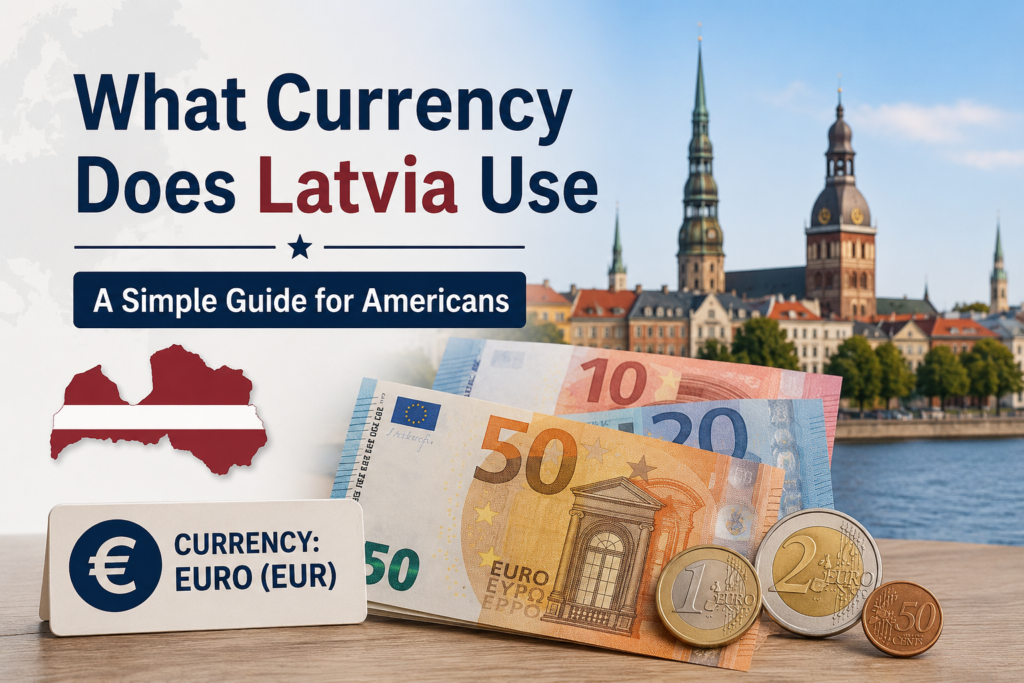
Did you know over 90% of retail transactions in the Baltic region use digital payments? As you plan your trip, knowing the official legal tender is key for a smooth experience. Latvia switched from the lats to the euro in 2014.
Now, the euro is the main currency for all financial dealings in the country. Whether you’re in historic Riga or the countryside, you’ll use these familiar banknotes and coins. Managing your budget effectively is easier when you know what to expect at local shops and banks.
This guide offers essential tips for American travelers to navigate the local banking scene with confidence. We’ll cover finding the best exchange rates to using modern payment systems during your stay. Preparation is the key to stress-free financial transactions while enjoying your trip abroad.
Key Takeaways
- The official legal tender is the euro, which replaced the former national unit in 2014.
- Travelers can easily use major credit and debit cards in most urban areas and hotels.
- It is wise to carry a small amount of cash for smaller vendors or rural markets.
- Banking standards are modern, and ATMs are widely available throughout the region.
- Always check your bank’s international fees before departing from the United States.
Understanding the Shift to the Euro in Latvia
Latvia’s move to the euro wasn’t sudden. It was a thoughtful step toward joining Europe more closely. This change helps us understand the latvian currency scene today.
The Historical Transition from the Latvian Lats
For years, Latvia used the Latvian Lats. This historic currency was a key part of the country’s identity after it gained freedom. But, the government wanted to follow the European Union’s money policies.
So, on January 1, 2014, Latvia switched to the euro. People could exchange their old money for new at a set rate. This big change changed Latvia’s financial face forever.
Why Latvia Adopted the Euro
The main reason for adopting the latvia euro was to ensure economic stability. Joining the Eurozone made trade easier and cut down on risks. It also made Latvia’s economy part of a bigger, more stable market.
This change also drew more foreign investment and made travel easier for visitors. Economic growth became a key goal. The euro brought a more stable financial environment for everyone. Today, the euro’s stability is a key part of Latvia’s financial plan.
What Currency Does Latvia Use Today
Knowing the official currency of Latvia is key for American travelers. Upon arrival, you’ll see the currency in Latvia is the Euro, just like in many European countries. This makes the euro in Latvia easy for spending and budgeting.
The currency of Latvia is straightforward, with no need for complicated exchange rates. Whether in Riga or the countryside, you’ll use one stable currency.
The Euro as the Official Legal Tender
The latvia official currency is the Euro. Since adopting it, Latvia has used the Eurozone, making all transactions in one unit. All businesses, from cafes to stores, accept only Euros.
Using the Euro makes managing money easy, as you don’t need to convert to another currency. This seamless transition makes your trip simpler. Just make sure your money is in Euros before you start your day.
Understanding the Latvian Euro Symbol and Code
When you see price tags or bank statements, you’ll notice specific signs. The latvia currency code is EUR. You’ll see this code on all financial documents and apps.
The latvia currency symbol is the € sign, used before numbers. Knowing the latvian currency symbol helps you quickly understand costs while shopping. Here’s a quick guide to the money you’ll see during your visit.
| Category | Details |
|---|---|
| Official Currency Name | Euro |
| Latvian Currency Name | Euro |
| Currency Code | EUR |
| Currency Symbol | € |
Navigating Latvian Banknotes and Coins
Understanding latvia money makes handling cash easier. Latvia uses the Euro, but you’ll see both standard bills and local coins.
Knowing what to look for helps you manage your money well. Whether you’re in Riga or the countryside, it’s a vital skill for travelers.
Common Denominations You Will Encounter
Latvian banknotes look like those in the Eurozone. They come in 5, 10, 20, 50, 100, 200, and 500 euro denominations.
These notes are standard, so you can use them in many European countries. But, the latvian money you get in change will often include unique coins.
“Money is a tool that allows us to explore the world, but understanding its local form connects us more deeply to the culture we visit.”
Unique Latvian Designs on Euro Coins
Latvian coins have special designs on the back. These designs show Latvia’s rich heritage and history, making them small pieces of art.
The 1 and 2 euro coins have a Latvian folk maiden’s profile. Smaller coins, like the 10, 20, and 50 cent coins, have the national coat of arms. The 1, 2, and 5 cent coins show a smaller version of the emblem.
Learning to spot your latvian euro coins helps you keep track of your change. These unique markings make spending money feel more authentic in Latvia.
Practical Tips for Currency Exchange for Americans
Exploring a new country’s finances can seem overwhelming. But, exchanging money in Latvia is easy. By planning ahead, you can make sure your latvia currency exchange goes smoothly and saves you money. Learning about local money habits will also save you time and stress while on vacation.
Where to Exchange Dollars for Euros
Don’t exchange money right away at the airport. Airport kiosks usually give bad rates. Wait until you get to the city center to find a bank or latvian currency exchange office. These places offer better latvia exchange rates than tourist spots.
If you carry a lot of cash, remember to declare more than 10,000 euros when entering the EU. Keep all your exchange receipts. They prove your money is real if asked by local authorities.
Using ATMs and Credit Cards in Latvia
ATMs are everywhere in cities and towns. They’re the best way to get local currency. Most machines take international debit and credit cards without a problem. ATMs usually give a better latvia exchange rate than currency counters.
Even though cities are digital, it’s wise to carry some cash for rural trips. Some small places might not take cards. Always check with your bank about fees for international transactions. This way, your latvian currency exchange stays affordable during your trip.
The Current State of the Latvian Economy
The latvian economy has shown great resilience and growth. Since joining the common currency, Latvia has become part of the European market. This move has laid a strong base for future growth and financial stability.
Economic Growth and Stability in the Eurozone
Joining the Eurozone was a big step for the latvia economy. It brought the country into a larger, more stable economic area. This change has drawn more foreign investment and made the business climate more stable.
This stability is good for both local businesses and visitors. The success of the region comes from several key factors:
- More trade opportunities with European neighbors.
- Protection from global market ups and downs.
- Better credit ratings for national projects.
Impact of the Euro on Latvian Finance
The Euro has changed latvia finance a lot. It has made transactions easier and cut down on exchange costs. For travelers, this means easier budget management. No more worries about currency changes when moving between Baltic states.
The latvia economy keeps growing, focusing on digital innovation and sustainable growth. As you explore the country, you’ll see a modern financial system. This shows the value of the goods and services you’ll find during your visit.
The Eurozone integration has been a key driver of modernization. It has made the financial sector competitive globally.
Banking Industry Standards in Latvia
The latvia banking industry is well-connected to the European financial system. This gives American visitors peace of mind. The country has high standards for security and efficiency.
Whether you need cash or to manage your accounts, Latvia’s banking system is easy to use. It’s designed to be reliable and user-friendly.

What American Travelers Should Know About Local Banks
When you arrive, you’ll see major banks everywhere. These banks offer services for both locals and visitors. You’ll find professional service and clear English at most branches.
The main banks you’ll meet include:
- Swedbank: Known for its wide network of ATMs and branches.
- SEB: A major player offering strong support for international transactions.
- Luminor: A reliable choice for modern banking and financial services.
Digital Banking and Fintech Innovations in Latvia
The latvia banking industry has also gone digital. Contactless payments are common at merchants, from small cafes to big stores. This makes spending money easy and convenient, without the need for lots of cash.
Fintech solutions are also advanced here. Many local banks have mobile apps for tracking your spending in real-time. These modern digital tools make your financial experience smooth. The mix of high-tech security and digital adoption keeps your money safe and easy to access.
Managing Your Budget While Traveling in Latvia
Latvia offers a top-notch travel experience that’s surprisingly gentle on your wallet. Compared to big cities like Paris or London, your money goes further here. This means you can enjoy great food and culture without worrying about your budget.
Cost of Living Comparisons for US Tourists
Knowing the local prices helps you budget with ease. Prices in Riga are a bit higher than in the countryside, but still good for American visitors. Smart travelers can afford better places to stay and eat than they might expect.
Here’s a table comparing typical costs in Latvia to a major US city.
| Expense Category | Average Cost in Latvia (USD) | Average Cost in US (USD) |
|---|---|---|
| Mid-range Dinner for Two | $45 – $60 | $70 – $100 |
| Local Beer or Coffee | $3 – $5 | $6 – $9 |
| Public Transit Ticket | $1.50 | $2.50 – $3.50 |
| Budget Hotel Room | $60 – $90 | $120 – $180 |
Tipping Culture and Payment Etiquette
Knowing social customs is as important as knowing your money. In Latvia, tipping is appreciated but not strictly mandatory. You don’t need to leave a huge tip, but a small one is polite.
For excellent service at a restaurant, a tip of 5% to 10% is standard. For small purchases, like a coffee or taxi, just round up to the nearest euro. Always have some cash for these, as some places prefer it over cards.
Historical Context of the Latvian Lats
The latvian lats was once a symbol of Latvia’s freedom. Now, the Euro is the standard currency. Yet, the history of the latvia national currency is still important to the country’s identity. This story shows the strength of the Latvian people.
The Legacy of the Former National Currency
The latvian lats was introduced in 1922, after Latvia gained its first freedom. It was more than money; it was a sign of independence. For years, it helped keep the economy stable and boosted national pride.
Many people still remember the lats’ design and feel. Today, using an euro to lat converter helps us see the lats’ value. But its true worth was in defining a free Latvia.
Why the Lats Remains a Cultural Symbol
The lats is still in people’s hearts because of its beauty and history. Coins and notes showed off Latvian stories, nature, and buildings. These designs made money into art that people were proud to hold.
Today, talking about the lats brings back memories in museums and homes. It reminds us of Latvia’s path to economic unity. Here’s a table showing how these currencies have changed.
| Feature | Latvian Lats | Euro |
|---|---|---|
| Introduction | 1922 | 2014 |
| Symbolism | National Sovereignty | European Integration |
| Design Focus | Folklore & Nature | European Architecture |
| Status | Historical Legacy | Legal Tender |
Recent Developments in Latvian Monetary Policy
Latvia’s economy is interesting to learn about for American visitors. The country’s money policy is closely tied to the European Central Bank. This ensures regional economic consistency. It makes the latvia currency stable for everyone.
Current Trends in the Latvian Financial Sector
Latvia’s financial sector is changing fast. Banks are focusing on fintech innovations to make transactions smoother for travelers. This makes managing your money easier than before.
Also, there’s a big push for transparency and security. These changes offer a clearer view of Latvia’s financial path. This stability is key to the latvia currency system.
How Global Economic Shifts Affect Latvia
Global economic changes affect Latvia a lot. Things like trade and energy prices can change how much the latvia currency is worth. But being part of the Eurozone helps keep things stable.
As an American traveler, you get to enjoy this stability. You’ll find exchange rates are predictable and digital payments are widely accepted. Here’s a table showing important economic factors that affect your trip.
| Economic Indicator | Impact on Tourism | Policy Focus |
|---|---|---|
| Inflation Rates | Affects daily spending | ECB Price Stability |
| Digital Adoption | Easier card payments | Fintech Growth |
| Eurozone Stability | Currency reliability | Fiscal Integration |
| Trade Balance | Imported goods cost | Market Resilience |
Conclusion
Latvia offers a modern and convenient financial experience for American travelers using the Euro. You’ll find it easy to navigate the local economy if you prepare your payment methods before leaving.
Knowing about banking standards lets you enjoy the rich history and culture of the Baltic region. You can wander Riga’s cobblestone streets or explore the countryside’s quiet landscapes without worry.
Using digital banking tools and reliable credit cards makes your trip smoother. These tools ensure your daily transactions are efficient during your stay.
We hope this guide helps you manage your budget with confidence. Safe travels as you discover Latvia’s unique charm and vibrant cities.
FAQ
The Historical Transition from the Latvian Lats
Before adopting the latvia official currency today, Latvia used the latvian lats (LVL). The history of latvia money shows the Lats symbolized national sovereignty after the Soviet Union’s collapse. The latvian lat was strong, but joining the Eurozone was seen as better for long-term stability.
Why Latvia Adopted the Euro
Latvia chose the latvia national currency of the Eurozone for economic stability and EU integration. This move reduced latvia exchange rate risks and lowered costs for businesses. It has made Latvia more competitive in Northern Europe, attracting tourists and investors.
The Euro as the Official Legal Tender
Today, only the Euro is accepted for transactions in Latvia. You can’t pay for hotels or dinners with U.S. Dollars or the old latvian lats. The latvian money system is standardized, making your experience seamless.
Understanding the Latvian Euro Symbol and Code
Price tags and digital menus show the latvia currency symbol (€) and code (EUR). These identifiers are global standards. Knowing the Euro is the latvia currency name helps manage your budget.
Common Denominations You Will Encounter
The latvian banknotes you carry are in denominations of €5 to €500. These are issued by the European Central Bank. For smaller purchases, use latvian coins from 1 cent to 2 euros. Knowing these denominations helps you handle currency in latvia easily.
Unique Latvian Designs on Euro Coins
The latvian euro coins have unique national motifs. The 1 and 2-euro coins feature a “Latvian Maiden” in traditional folk costume. These latvian coins reflect the country’s rich cultural heritage.
Where to Exchange Dollars for Euros
For reliable latvian currency exchange, avoid airport kiosks. Instead, use reputable latvia currency exchange offices in Riga’s city center, like Tavex. Major banks also offer exchange services. Always compare rates to ensure fairness.
Using ATMs and Credit Cards in Latvia
The latvia banking industry is advanced. ATMs are widespread, and using your debit card is cost-effective. Major credit cards are accepted everywhere. Choose to be charged in the latvian currency (EUR) to avoid hidden fees.
Economic Growth and Stability in the Eurozone
The latvian economy is resilient, thanks to the Eurozone. This stability makes the latvian currency safe for travelers. Inflation and prices are closely monitored, ensuring value during your stay.
Impact of the Euro on Latvian Finance
Since the transition, latvia finance has become more transparent and connected to global markets. Adopting the latvian euro has streamlined trade and made it easier for American companies to operate in Latvia.
What American Travelers Should Know About Local Banks
The latvia banking industry is dominated by Scandinavian and local banks. These banks follow strict European Union security protocols. If you need to visit a branch, staff will speak excellent English and help with any issues.
Digital Banking and Fintech Innovations in Latvia
Latvia leads in digital latvia finance. Contactless payments and mobile wallets like Apple Pay and Google Pay are popular. Fintech brands like Revolut and Wise offer easy ways to manage euro in latvia without physical latvia money.
Cost of Living Comparisons for US Tourists
While the latvian currency name is the same as in the Eurozone, your money goes further in Latvia. High-quality dining and public transportation are affordable, making latvia euro spending pleasant.
Tipping Culture and Payment Etiquette
Leave a tip of about 5% to 10% in restaurants if a service charge isn’t included. Using latvian coins for small tips in cafes is appreciated. Understanding these nuances ensures smooth social interactions.
The Legacy of the Former National Currency
The latvian lats is a nostalgic topic for many locals. Before the Euro, it represented Latvia’s independence. Old latvian banknotes and latvian coins are now historical artifacts.
Why the Lats Remains a Cultural Symbol
The latvian lats was celebrated for its beautiful artwork and high value. Many locals keep old latvian coins as keepsakes. Recognizing this history gives a deeper understanding of Latvia’s financial stability and its place in the latvian euro system.
Current Trends in the Latvian Financial Sector
The latvia banking industry is focusing on sustainable latvia finance and anti-money laundering measures. These changes ensure the latvia currency environment remains secure for travelers and investors.
How Global Economic Shifts Affect Latvia
As a small, open economy, Latvia is sensitive to global trends. Being part of the Eurozone provides a buffer. Staying informed on the latvia exchange rate and European monetary policy helps understand prices during your visit.
What is the official currency of Latvia?
The latvia official currency is the Euro (€). It replaced the latvian lats in 2014, and it is the only currency of latvia accepted for legal transactions.
What is the latvia currency code and symbol?
The latvia currency code is EUR, and the latvian currency symbol is €. You will see these on all price tags and financial documents throughout the country.
Can I still use the latvian lats?
No, the latvian lats is no longer legal tender. If you have old latvian banknotes or latvian coins, they can only be exchanged for latvia euro at the Bank of Latvia (Latvijas Banka).
Where is the best place for latvia currency exchange?
For the best latvian currency exchange rates, use ATMs at major banks like Swedbank or visit specialized exchange offices like Tavex in downtown Riga. Always check the current latvia exchange rate before committing to a transaction.
Are credit cards widely accepted in the latvia banking industry?
Yes, the latvia banking industry is very modern. You can use Visa, Mastercard, and mobile payments like Revolut or Apple Pay at almost all businesses in Latvia.
Do I need a euro to lat converter for shopping?
You do not need a euro to lat converter for daily shopping as all prices have been exclusively in Euro for years. Such converters are now primarily used for historical or accounting purposes regarding the old latvian money.
Is the latvian economy stable for travelers?
Yes, the latvian economy is part of the Eurozone, which provides significant financial stability. This makes latvia finance predictable and safe for American tourists using the latvian euro.

Adam G
This post was created by Adam G, a seasoned financial writer with a passion for explaining currency exchange and market movements
 English
 简体中文
简体中文 Español
 Deutsch
 Français
 العربية
 Polski