
Did you know that independence changed how a nation handles its wealth? Before 1968, they used foreign money. Now, the zambian kwacha is a symbol of national pride.
The Bank of Zambia issues this legal tender, known as the zmw currency. It’s the main money for daily deals. It’s divided into 100 ngwee, making it easy for both local and international trade.
Planning a trip or investing? Knowing about the zambian currency is key. It shows how well the zambia economy is doing. Learning to handle your zambia money makes your visit smoother.
Key Takeaways
- The official legal tender is the Zambian kwacha (ZMW).
- The Bank of Zambia manages all monetary issuance.
- One kwacha is subdivided into 100 smaller units called ngwee.
- Knowledge of local tender helps travelers and investors alike.
- Stable monetary policy supports the growth of the national economy.
Understanding What is the Currency of Zambia
To understand Zambia’s economy, knowing its currency, the Zambian kwacha, is key. The Zambian kwacha is more than just money. It shows the country’s history, culture, and economic status.
The Zambian Kwacha Defined
The Zambian kwacha, or ZMW, is Zambia’s official currency. The name ‘kwacha’ comes from Nyanja, Bemba, and Tonga languages, meaning “dawn.” It symbolizes Zambia’s “new dawn of freedom.”
The kwacha is made by the Bank of Zambia, the central bank. It has different values in banknotes and coins. This makes it easy for people to buy and sell things in Zambia.
Historical Evolution of the ZMW
The Zambian kwacha started in 1968, replacing the Zambian pound. This change helped make the currency easier to use, like others in the area. In 2013, the kwacha was changed again to make it simpler to use.
The ZMW has changed a lot over time. Zambia has faced economic problems like inflation and currency value drops. Knowing this helps us understand Zambia’s economy today and the kwacha’s role in it.
The Role of the Central Bank of Zambia
The Central Bank of Zambia is key to Zambia’s financial system. It helps shape the country’s economic future. It keeps the Zambian economy stable through various policies and measures.
The Bank of Zambia works to keep the Zambian currency stable. It also manages inflation and ensures enough foreign exchange reserves. These efforts are vital for a stable economy that supports growth and development.
Monetary Policy and Inflation Control
The Central Bank of Zambia creates and carries out monetary policies. These policies aim to control inflation and keep the economy stable. By changing interest rates and managing money supply, the bank guides the economy’s path.
Controlling inflation is a major goal. High inflation can reduce the Zambian Kwacha‘s value, hurting people’s living standards. The bank uses different tools to keep inflation in check, protecting the currency’s value.
Managing Foreign Exchange Reserves
The Bank of Zambia also manages Zambia’s foreign exchange reserves. These reserves are crucial for keeping the Zambian Kwacha stable against foreign currencies, like the US dollar.
Effective management of foreign exchange reserves helps the economy withstand external shocks. This includes global price changes. It boosts investor confidence and ensures Zambia can fulfill its international financial duties.
In summary, the Central Bank of Zambia is essential for Zambia’s economic stability. Its monetary policies and foreign exchange management directly affect the Zambian currency‘s value and the economy’s health.
Current State of the Zambian Economy
To understand Zambia’s economy, we must look at its key indicators and global commodity prices. The country has faced big challenges like high inflation and currency ups and downs.
Zambia’s economy is very dependent on copper exports. This makes it sensitive to changes in global copper prices. A financial expert said, “Zambia’s economy swings with copper demand, causing big ups and downs.”
“The Zambian economy’s growth is heavily influenced by the mining sector, particularly copper production.”
Key Economic Indicators and Growth Trends
Several key economic indicators show Zambia’s current state. These include GDP growth, inflation, and unemployment rates.
| Economic Indicator | 2022 | 2023 |
|---|---|---|
| GDP Growth Rate | 3.5% | 4.1% |
| Inflation Rate | 12.2% | 10.5% |
| Unemployment Rate | 7.8% | 7.5% |
The data shows a slow but steady improvement in GDP growth and lower inflation. This suggests Zambia’s economy is moving in a positive direction.
Impact of Global Commodity Prices on the Kwacha
Global commodity prices, especially copper, greatly affect the Zambian Kwacha (ZMW). Changes in copper prices can cause the currency to fluctuate.
When copper prices go up, the Kwacha gets stronger against the USD. But if copper prices drop, the Kwacha weakens.
Key factors influencing the Kwacha include:
- Global demand for copper
- International copper prices
- Zambia’s copper production levels
Knowing these factors is important for investors and traders in the Zambian forex market.
Zambian Banknotes and Coins in Circulation
Zambia’s official currency, the kwacha, comes in various banknotes and coins. These items show the nation’s history and culture. The kwacha is key to the country’s economy, helping with transactions everywhere.
The Bank of Zambia issues the currency. This central bank manages the money supply and keeps the economy stable. The kwacha has different values, making it easy for everyone to use.
Denominations and Security Features
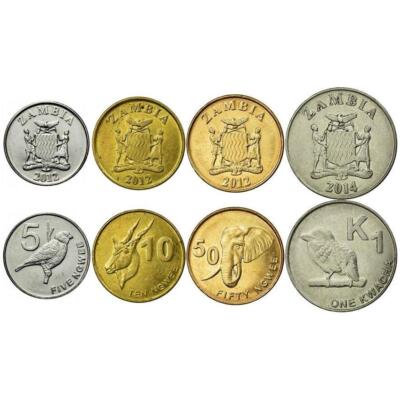
The Zambian kwacha has banknotes and coins in several values. Banknotes range from 2 to 100 kwacha. Coins are in 5, 10, and 50 ngwee, and 1 kwacha.
To stop fake money, banknotes have special security features. They include watermarks, security threads, and holograms. The unique texture from intaglio printing also helps.
| Denomination | Security Features |
|---|---|
| 2 Kwacha | Watermark, Security Thread |
| 5 Kwacha | Hologram, Intaglio Printing |
| 10 Kwacha | Watermark, Security Thread, Hologram |
| 20 Kwacha | Intaglio Printing, Security Thread |
| 50 Kwacha | Watermark, Hologram |
| 100 Kwacha | All Advanced Security Features |
The Design and Cultural Significance of Currency
Zambian banknotes and coins are not just pretty. They also carry deep cultural meaning. The currency shows off Zambian symbols and images, celebrating the country’s rich heritage.
The designs on the banknotes highlight Zambian culture and history. They include famous people, animals, and landmarks. For example, some show Zambia’s wildlife, like lions and elephants. Others feature important national monuments.
The Zambian currency is a source of national pride. It helps with money matters and also shares the country’s history and culture with the world.
Navigating Foreign Exchange in Zambia
Exchanging currency in Zambia is easy if you know the rates and where to go. Travelers can exchange money at bureaux de change or banks. Knowing the ZMW to USD exchange rate is key to getting good value.
How to Exchange Money for Travelers
Exchanging money in Zambia is simple if you know the right places. Here are some tips:
- Use designated bureaux de change or banks to exchange your money.
- Be aware of the current exchange rates to ensure you get a fair deal.
- Avoid exchanging money at airports or hotels, as the rates may not be favorable.
It’s best to use reputable currency exchange services. This ensures a fair rate and avoids scams.
Understanding the ZMW to USD Exchange Rate
The ZMW to USD exchange rate is important for travelers and investors. Knowing this rate helps in making smart money exchange decisions.
| Currency | Exchange Rate (approx.) | Recommended Exchange Location |
|---|---|---|
| USD to ZMW | 15-20 ZMW | Bureaux de Change, Banks |
| ZMW to USD | 0.05-0.06 USD | Banks, Forex Bureaus |
Keeping up with foreign exchange in Zambia trends is important. Whether traveling or investing, knowing the Zambia forex market is essential.
Digital Transformation of the Zambian Financial Sector
The Zambian financial sector is on the verge of a big change. This change is coming from digital transformation. It’s making financial services easier and more accessible for everyone.
Digital technologies are changing Zambia’s economy a lot. They could help more people get financial services, cut down costs, and make things more efficient. As the financial sector keeps growing, it will likely help Zambia’s economy a lot.
Mobile Money Adoption and Its Impact
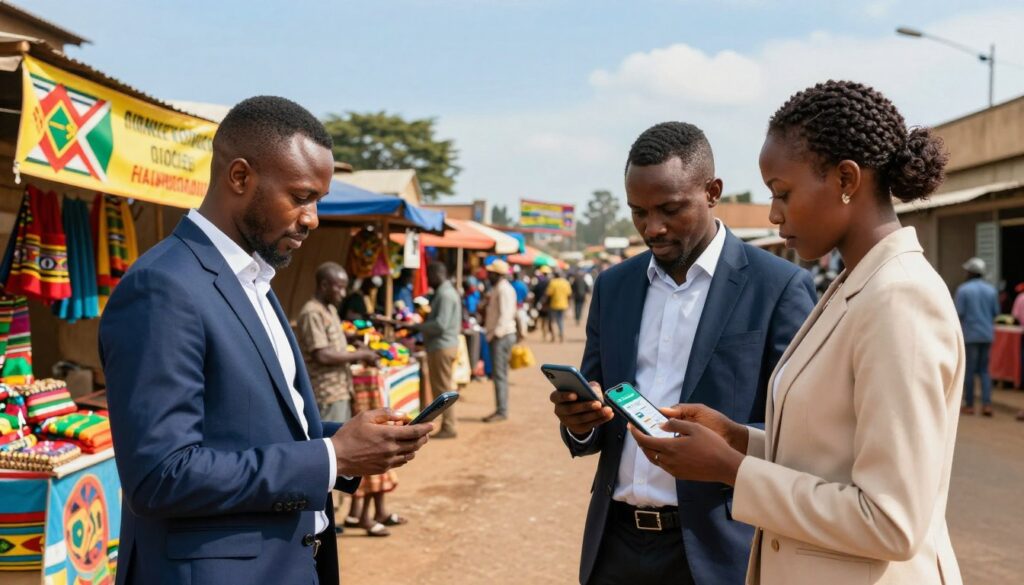
Mobile money is a big part of Zambia’s digital transformation. It lets people use their phones for financial services, even without banks. This is especially good for rural areas where banks are hard to find.
Mobile money has really helped more people get financial services. Lots of Zambians now use it to send money, pay bills, and more. This has made a big difference in how people manage their money.
Modernizing Payment Systems in Lusaka and Beyond
The Zambian financial sector is also updating its payment systems. New digital platforms are making transactions easier for everyone. This change is expected to help the economy by saving money and making things more efficient.
This effort to modernize payment systems isn’t just in Lusaka. It’s happening all over Zambia. The goal is to make digital payment systems available everywhere, no matter where you are.
Key benefits of digital transformation in Zambia’s financial sector include:
- Increased financial inclusion
- Reduced transaction costs
- Enhanced efficiency
- Improved access to financial services
Challenges Facing the Zambian Currency
The Zambian kwacha is facing big challenges that affect the country’s economy. It’s important to understand these issues to see the full picture of Zambia’s economy.
The Zambian economy is under pressure from many factors. Debt and fiscal pressures are major internal challenges.
Debt Sustainability and Fiscal Pressures
Zambia’s growing public debt is a big worry. The need to pay off this debt takes away from important public services and building projects.
High levels of debt mean higher borrowing costs and less investor trust. This creates a cycle where the economy finds it hard to grow, making debt harder to manage.
The government is trying to fix these issues with fiscal reforms. They aim to stabilize the economy and make debt more manageable. This includes better revenue collection and smarter spending.
External Factors Influencing Currency Volatility
External factors also affect the Zambian kwacha’s stability. Changes in global commodity prices, especially copper, have a big impact on Zambia’s economy.
Copper is a major export for Zambia. When copper prices fall, the kwacha weakens against the US dollar.
Global economic trends and policies also influence Zambia. These can change investor attitudes and capital flows, causing currency swings.
To tackle these issues, Zambia needs to diversify its economy. This would help stabilize the currency and support long-term economic growth.
Investment Opportunities and the Zambian Forex Market
Zambia’s economy is growing, offering many investment chances, especially in forex. The forex market is drawing in foreign investors. This is because of its potential for high returns and the chance to diversify.
The Zambian government is working hard to make it easier for investors. Foreign Direct Investment (FDI) is key for the country’s growth. It brings in money, technology, and management skills.
Attracting Foreign Direct Investment
Zambia is using incentives and policies to attract FDI. These include tax breaks, easier rules, and guarantees. The government has also set up Special Economic Zones (SEZs) for investors.
- Incentives for investors, such as tax holidays and exemptions
- Streamlined regulatory processes to facilitate ease of doing business
- Investment guarantees to protect investor interests
A report by the United Nations Conference on Trade and Development (UNCTAD) shows Zambia’s FDI is rising. This trend is likely to keep going as Zambia keeps improving its investment climate.
“Zambia’s economic growth prospects are bright, driven by its rich natural resources and strategic location. The country’s forex market offers opportunities for investors to tap into the growing regional economy.”
Regulatory Environment for Currency Trading
The Bank of Zambia oversees currency trading. It works to keep the financial system stable and fair.
The rules include fighting money laundering and financing terrorism. Anti-Money Laundering (AML) and Combating the Financing of Terrorism (CFT) rules protect the financial system.
| Regulatory Body | Role |
|---|---|
| Bank of Zambia | Oversees currency trading and maintains financial stability |
| Securities and Exchange Commission | Regulates securities markets and protects investor interests |
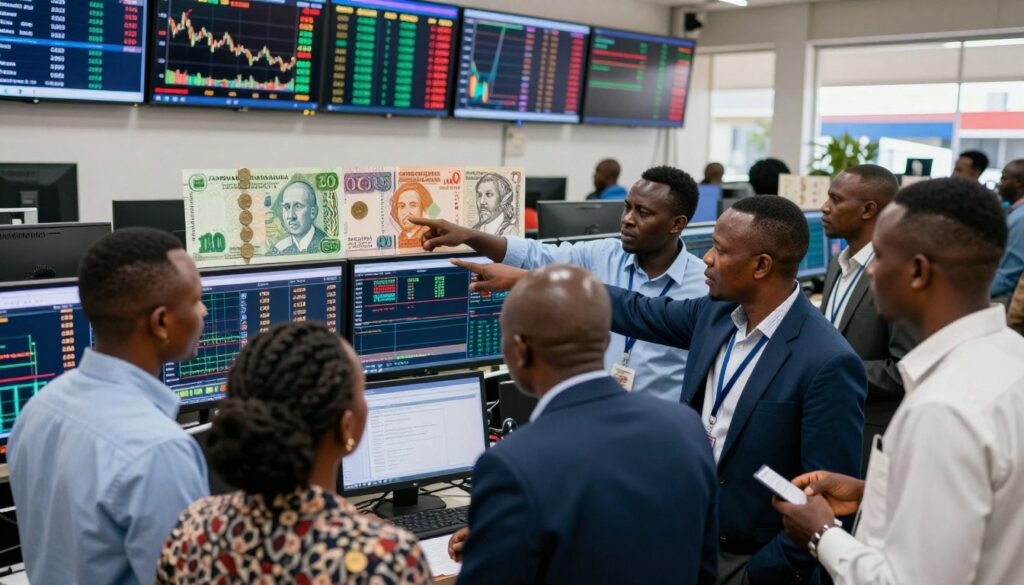
The Zambian forex market is influenced by global trends and commodity prices. Investors need to consider these when making decisions. Despite challenges, the market offers chances for growth and diversification.
Practical Tips for Using Money in Zambia
Traveling to Zambia means knowing about the local currency. The Zambian Kwacha (ZMW) is what you’ll use. Learning how to handle it can greatly improve your trip.
Using ATMs and Credit Cards
ATMs are common in Zambia’s cities and towns. You can get cash with your debit or credit card. It’s best to use ATMs in safe places like banks or malls to avoid scams.
Credit cards work in many places, like hotels and restaurants, in tourist spots. But, let your bank know you’re traveling to avoid any issues with your card.
Avoiding Common Currency Scams
Zambia has its share of currency scams. One trick is fake or tampered banknotes. Always exchange money at official places like banks or currency exchange offices.
Another scam is shortchanging or paper filling. People might give you less money or fill your wallet with junk. Always check your money before paying.
- Be careful with ATMs, especially at night or in quiet spots.
- Choose credit cards with EMV chips for better security.
- Don’t exchange money with street vendors or unofficial dealers.
Conclusion
The Zambian kwacha, or ZMW currency, is very important for Zambia’s economy. It has changed a lot, influenced by the country’s growth and global markets.
For those wanting to invest or do business in Zambia, knowing about the currency is key. This knowledge helps make smart choices and deal with the ups and downs of the country.
Zambia is working to improve its financial sector and update its payment systems. The zambian kwacha will likely keep playing a big role in the country’s economy.
FAQ
What is the currency of Zambia and what is its official code?
Zambia’s official currency is the Zambian kwacha. It’s known globally by the code ZMW. The name “kwacha” means “dawn” in Nyanja, symbolizing Zambia’s independence and new start.
Who is responsible for issuing zambia money and maintaining its stability?
The Central Bank of Zambia, or Bank of Zambia, issues the kwacha. It manages the economy by setting monetary policies, controlling inflation, and overseeing foreign exchange. This keeps the economy healthy.
What do zambian banknotes and coins look like?
Zambian currency, marked as ZK, features vibrant designs of the nation’s heritage. Banknotes come in various denominations. Coins, called ngwee, are used for smaller transactions. Each 100 ngwee equals one kwacha, with coins often showing local wildlife and trees.
How can travelers find the best zambia exchange rate for their trip?
To find the best exchange rate, use a reliable app or visit official exchange bureaus. Keep an eye on the zmw to usd rate before and during your trip. Rates can change due to global trends.
How does the zambia economy influence the value of the zmw currency?
Zambia’s economy, mainly driven by copper exports, affects the currency’s value. When copper prices rise, the kwacha strengthens against other currencies.
Is it safe to use currency in zambia at ATMs and local shops?
Yes, but be cautious. Use ATMs inside secure bank branches like Zanaco or Standard Chartered. This avoids scams and ensures you get real money.
Where can I find the most reliable zambia forex services?
For reliable foreign exchange, go to licensed bureaux de change or major banks in Lusaka and Ndola. They offer good rates and the right documents for legal exchange.
What was the significance of the 2013 redenomination of the zambian kwacha?
In 2013, Zambia removed three zeros from its currency. This made transactions easier for everyone, both locals and international investors.
Are there digital options for using zambia money?
Yes! The financial sector is moving to digital. Mobile money services from Airtel Money and MTN Mobile Money are popular. They make managing money in Zambia easier without physical notes.

Adam G
This post was created by Adam G, a seasoned financial writer with a passion for explaining currency exchange and market movements
 English
 简体中文
简体中文 Español
 Deutsch
 Français
 العربية
 Polski