
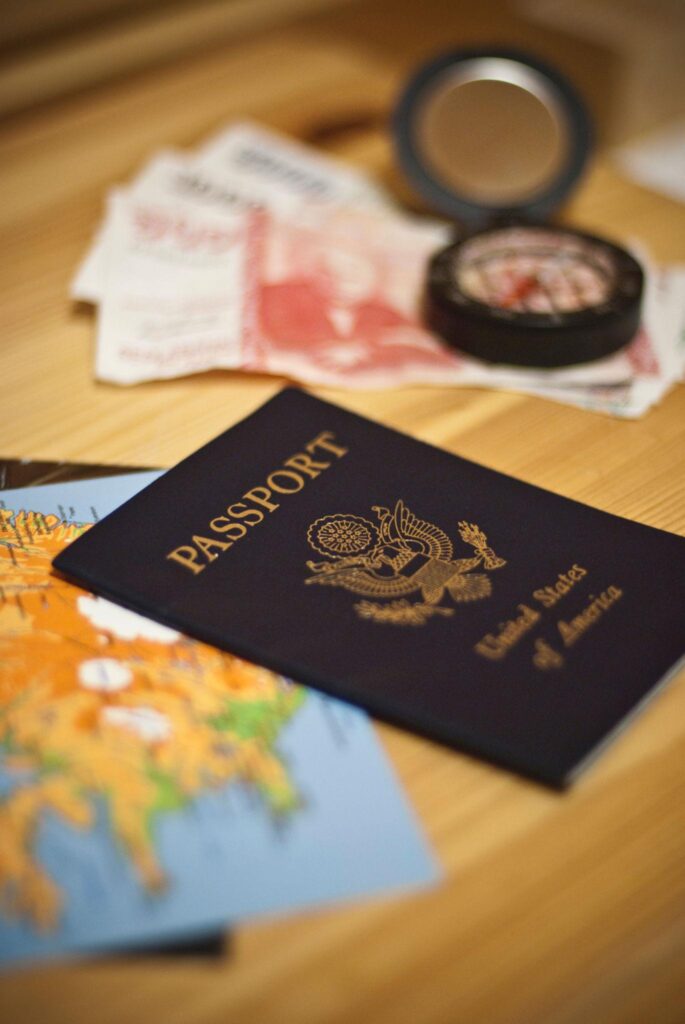
Did you know over 90% of transactions in Iceland are now electronic? You might think you need lots of cash, but you can travel the whole country without it.
Knowing about the local money is essential for your trip. Although the krona is the only legal money, Iceland is very digital and cashless. Mastering these basics means you’ll spend less time on money worries and more time seeing amazing sights.
This guide will help you with all your payment needs. By understanding the local money system, your trip to this Nordic place will be smooth.
Key Takeaways
- The Icelandic krona is the official legal tender used throughout the country.
- Most businesses operate as a cashless society, favoring credit and debit cards.
- Digital payments are accepted even in the most remote rural locations.
- You rarely need to exchange physical cash before your arrival.
- Always carry a card with a PIN, as it is often required for automated kiosks.
Understanding the Icelandic Króna
The Icelandic króna has a rich history that makes it the main currency for Iceland today. Knowing about this money helps you feel more confident when you travel.
Historical Context of the ISK
Iceland became independent from Denmark in the early 1900s. This led to the creation of its own money system. The icelandic króna replaced the Danish krone, showing Iceland’s growth in sovereignty.
Over time, Iceland faced high inflation, which tested the icelandic currency‘s stability. The 2008 financial crisis was a major challenge. It caused the icelandic krona to lose value sharply.
To fix this, the government put in place strict capital controls. These controls helped stabilize the economy. They protected the money of both locals and visitors.
Current Economic Standing and Volatility
Now, the icelandic króna floats on the global market. Its value changes with demand. Iceland’s small, open economy makes its currency more volatile than big ones like the US Dollar or Euro.
Why doesn’t Iceland use the Euro? Keeping the icelandic krona lets Iceland control its money. This independence helps it handle local economic changes better. Though it causes some ups and downs, it’s a key part of Iceland’s financial identity.
The Best Way to Exchange Money in Iceland
Carrying cash in Iceland is mostly unnecessary. The local currency in iceland is the króna, but digital payments are the norm. You can pay for everything from gas to souvenirs using cards or phones.
Why Cash is Rarely Necessary
You can often get by without cash in Iceland. Merchants prefer contactless payments for their speed and security. This is true for both locals and tourists.
If you still want cash, keep it to a small amount. You might need it for rare situations, like public restrooms or tipping in unusual cases.
- Most vendors accept credit and debit cards without a minimum purchase amount.
- Digital wallets like Apple Pay and Google Pay are widely supported.
- Carrying large sums of cash increases the risk of loss or theft during your travels.
Using ATMs vs. Currency Exchange Services
When you need local funds, choosing wisely is key. Avoiding airport kiosks and currency exchange services in iceland can save you money. They often have poor rates and high fees.
Using a local ATM is usually the best option for an iceland money exchange. These machines offer good rates, as long as your card doesn’t charge foreign fees.
| Method | Convenience | Cost Efficiency |
|---|---|---|
| Local ATM | High | Excellent |
| Airport Kiosk | Very High | Low |
| Bank Branch | Moderate | Good |
Always use ATMs inside or attached to reputable Icelandic banks. Stay away from standalone machines in tourist areas, as they often have hidden fees. Planning ahead helps stretch your travel budget.
Digital Payments and Card Dominance
Managing your travel budget in Iceland is easy thanks to digital payments. The local economy is almost cashless, making it a tech-friendly spot for American travelers. Knowing how to use icelandic currency digitally ensures a hassle-free trip.
Credit and Debit Card Acceptance Across the Country
Credit and debit cards work everywhere, from fancy restaurants to remote gas stations. Make sure your cards have a chip and a 4-digit PIN for kiosks and fuel pumps. It’s wise to carry two cards in case one network is down.
Visa and Mastercard are widely accepted, but American Express might be less useful in rural areas. Always check that your bank allows international transactions before you leave. This avoids your card being flagged while abroad.
Contactless Payment Trends in Reykjavik and Beyond
Contactless payments have changed how people pay for things in Reykjavik. Just tap your card or use Apple Pay and Google Pay at most places. This seamless experience is common in Reykjavik and tourist areas.
In small villages, contactless payments are the norm. You won’t need to carry much cash. Here’s a table showing the efficiency of different payment methods for icelandic currency.
| Payment Method | Acceptance Level | Primary Use Case |
|---|---|---|
| Contactless/Mobile | Excellent | Cafes, retail, and transit |
| Chip & PIN Card | Universal | Fuel pumps and large purchases |
| Physical Cash | Minimal | Emergency or remote tips |
Navigating the Icelandic Króna to USD Conversion
Learning how to calculate the exchange rate in Iceland can save you money on your trip. Knowing how to convert the icelandic currency is key to keeping your budget in check. Staying up-to-date with the exchange rate Iceland offers helps you spend wisely.
How to Calculate Exchange Rates on the Go
Always pay in the local currency, not US dollars, to avoid high fees. If asked, choose the Icelandic króna to get a fair deal.
To estimate the cost in dollars, divide the króna amount by 140. But for exact amounts, use real-time data.
Tools for Accurate Icelandic Currency Conversion
For accurate tracking, use a currency converter Iceland tool. Mobile apps like XE Currency or OANDA give you the latest icelandic krona exchange rate. They work offline too, with the latest rates.
Online calculators help verify icelandic currency converter results for big buys. These tools keep you informed of market changes. They help you manage your icelandic krona to usd conversion smoothly.
Essential Tips for Using Icelandic Banknotes
Looking at the icelandic krona gives you a peek into Iceland’s past. Even though cards are the norm, having some icelandic money is handy for local markets or off-the-beaten-path spots.
Denominations and Visual Features
The currency’s designs are detailed and celebrate Iceland’s history and nature. Each note shows important figures and symbols that have shaped the country.
- 500 krónur: Features Jón Sigurðsson, a leader of the Icelandic independence movement.
- 1,000 krónur: Displays Brynjólfur Sveinsson, a notable bishop and scholar.
- 2,000 krónur: Showcases Jóhannes Kjarval, one of the most beloved Icelandic painters.
- 5,000 krónur: Honors Ragnheiður Jónsdóttir, a famous seamstress and teacher.
- 10,000 krónur: Depicts the naturalist Jónas Hallgrímsson alongside golden plover birds.
The icelandic banknotes are made of high-quality paper and have special security features to fight counterfeiting. The colors are bright and clear, making it easy to tell the different values.
Handling Change and Small Transactions
Use coins for small buys like snacks or coffee. It’s highly recommended to spend your coins before leaving for the airport. This is because they’re hard to exchange back into USD when you get home.
Most vendors want exact change, especially in small towns. This is because digital terminals might not always work. Keep your icelandic money in a small pouch to stay organized while exploring Iceland’s stunning landscapes.
Foreign Exchange in Iceland for US Travelers
Understanding foreign exchange in Iceland is key to saving money. Most places in Iceland use cards, but it’s wise to have some cash for emergencies. Knowing the exchange rate in Iceland helps you plan your budget better.
Where to Find Reliable Currency Exchange Services
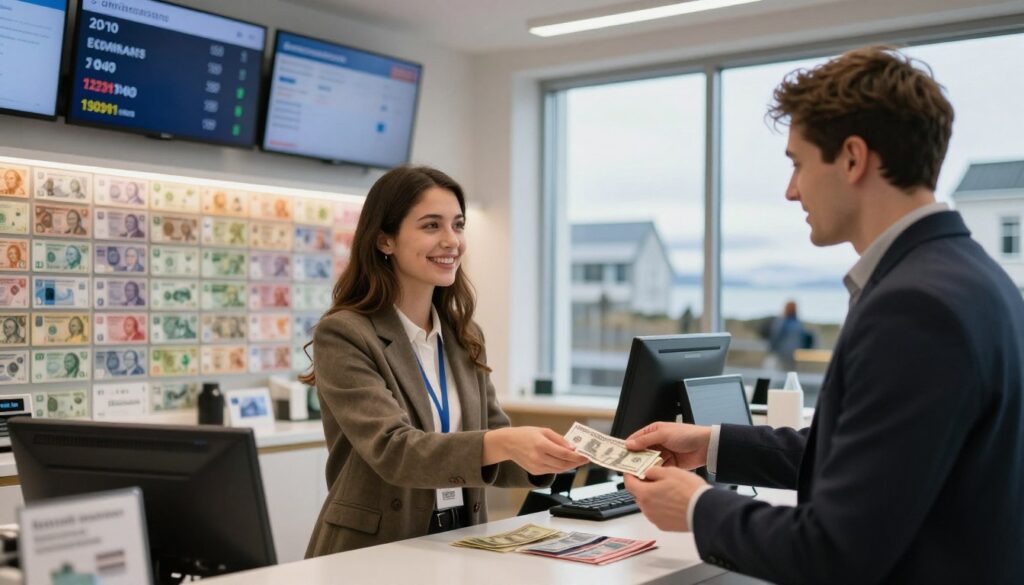
For exchanging money, go to banks like Landsbankinn and Arion Banki. They offer good rates and service during regular hours.
Banks are open from 9:30 AM to 4:00 PM on weekdays. Some big city branches might stay open till 10:00 PM. Using these currency exchange services in Iceland means you get fair prices and official rates. Always bring your passport for icelandic currency exchange transactions.
Avoiding High Fees at Airports and Tourist Hubs
Kiosks at airport arrivals can be tempting but charge high fees. They also give less favorable exchange rate iceland than banks. Be careful with exchange desks in big hotels, as they often have hidden costs.
Here are tips for currency exchange iceland:
- Don’t exchange big amounts at airport kiosks to avoid high fees.
- Check the iceland currency exchange rates online before going to a bank.
- Use trusted local banks for iceland money exchange for safety and fair prices.
- Visit banks during weekdays to avoid weekend service limits.
Managing Your Budget with the Icelandic Currency
Mastering your daily expenses is key to enjoying Iceland without financial stress. Iceland is one of the most expensive places in the world. Careful planning is essential for a successful trip. Set a realistic daily budget to enjoy the stunning landscapes without worrying about money.
Cost of Living Adjustments for American Visitors
Upon arrival, you’ll see prices for food, lodging, and transport are much higher than in the US. To manage your money, adopt smart spending habits right away. Here are some tips to make your dollars go further:
- Drink tap water: Icelandic tap water is clean, so use a reusable bottle to save on bottled water.
- Cook your own meals: Buy ingredients at local stores like Bónus or Krónan instead of eating out all the time.
- Use public transit: While cars offer freedom, Reykjavik’s bus system is cheaper for city travel.
- Book in advance: Prices for accommodations increase quickly, so book early to save money.
Tracking Expenses with Mobile Apps
Managing a foreign currency requires staying organized. Digital tools help you track spending in real-time. Many find mobile applications essential for budgeting.
Apps like TravelSpend or Splitwise are great for logging daily expenses and converting them to USD. These apps show where your money is going, from fuel to dining. Reviewing your spending each night helps plan for the next day and keeps your trip within budget.
The Role of the Icelandic Krona Symbol and Notation
Shopping in Iceland gets easier once you know the symbols used. Whether you’re in Reykjavik’s boutiques or a local bistro, understanding these symbols helps manage your budget. Familiarity with these visual cues makes shopping and dining stress-free.
Recognizing the ISK Symbol
The króna is Iceland’s currency, abbreviated as kr. You’ll see this symbol after numbers, like 500 kr. In banking and formal documents, it’s ISK.
The icelandic krona symbol is always after the amount, unlike the dollar sign. Remembering this helps avoid confusion when reading menus or receipts.
Common Pricing Formats in Retail and Dining
Prices in Iceland don’t use subunits like cents. This is because the króna’s value is low. Prices are usually whole numbers, making icelandic currency conversion easy for travelers.
Retailers and restaurants round prices to the nearest whole króna. Card payments are exact, but cash might be rounded. Here’s a quick guide to price displays during your trip.
| Format Type | Example Display | Description |
|---|---|---|
| Standard Retail | 1.250 kr. | Common for clothing and goods. |
| Dining Menu | 3.400 kr. | Used for meals and beverages. |
| Formal Code | 5.000 ISK | Used in banking and online. |
| Small Item | 150 kr. | Typical for snacks or coffee. |
Always check the total on your payment terminal before confirming. While the notation is clear, double-checking the digits is wise while traveling. This habit keeps you aware of your spending in real-time.
Impact of the Iceland Euro Exchange Rate
Many travelers think they should bring Euros to Iceland because it’s in Europe. But, Iceland has its own currency, the Icelandic Króna. Even though some shops might list prices in other currencies, the Króna is the official one.
To manage your budget well, use a reliable icelandic currency converter before you go. Checking a currency converter iceland tool often keeps you updated on market trends. This way, you won’t be surprised by changing costs during your trip.
Why the Euro Matters for Icelandic Tourism
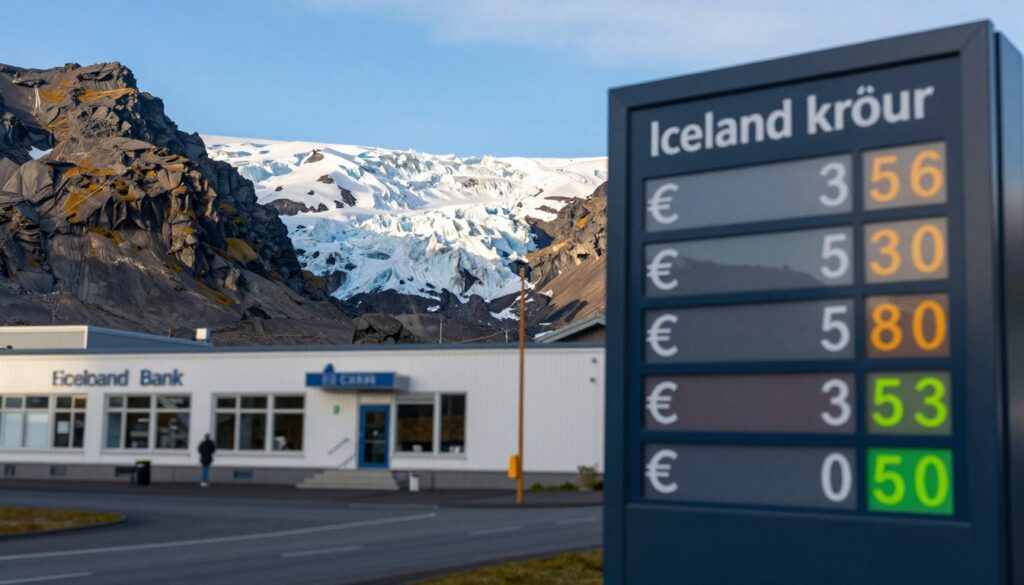
The Euro is important in Iceland’s economy because of the many visitors from the European Union. Businesses in Reykjavik and tourist spots watch the iceland money exchange rate closely. This is to stay competitive for international guests. You might see prices in both Euros and Króna in busy areas.
Understanding the local currency is the first step toward a stress-free travel experience in any foreign land.
Some tour operators or hotels might accept Euros for your convenience. But, you’ll get your change in Króna. It’s usually better to use local icelandic currency conversion methods to avoid bad exchange rates from merchants.
Comparing USD and EUR Purchasing Power
When planning your budget, think about how the icelandic krona exchange rate compares to the US Dollar and Euro. The strength of your currency affects how much you can spend. Watching the iceland krona to usd trends helps you plan the best time for your trips.
The table below shows how different currencies affect the local market:
| Currency | Usage Status | Exchange Impact |
|---|---|---|
| Icelandic Króna | Official | Standard |
| Euro | Accepted (Limited) | Variable |
| US Dollar | Not Accepted | Conversion Required |
Always look for the icelandic krona symbol (kr) on receipts to know the final cost. By watching these financial details, you can make the most of your budget. Smart planning lets you enjoy Iceland without worrying about extra currency fees.
Security and Safety When Handling Iceland Money
When you travel, keeping your money safe is key. Iceland is a safe place, but it’s still important to watch your iceland money. This way, you can enjoy your trip without worries.
Protecting Your Cards from Fraud
Most of the time, you’ll use cards in Iceland. So, keeping them safe is crucial. Always put your cards in a safe spot and don’t leave them out in public.
When you use foreign exchange in iceland or ATMs, check the card reader. If it looks off, don’t use it. It’s also a good idea to get alerts for every transaction on your phone.
What to Do If You Lose Your Wallet
losing your wallet can be scary. But, staying calm helps you deal with it fast. First, call your bank to stop your cards from being used.
If you lose your icelandic money or ID, tell the police. They can give you a report for insurance or travel papers. Always have a digital copy of your passport and emergency numbers online, so you can get to them fast.
Recent Updates on Currency for Iceland
Recent changes in the Icelandic economy are important for American travelers. Keeping up with the latest icelandic currency news helps you manage your money better. Even though Iceland is very digital, knowing the big picture can help you avoid surprises while you’re there.
Latest News Affecting Travelers
Today’s travelers enjoy fast and safe payment systems. There’s less need for cash now, thanks to contactless tech. This makes buying things like coffee in Reykjavik or booking tours easier.
Even with less cash needed, knowing about icelandic banknotes is still useful. You might get them as change, and knowing the denominations helps. It’s wise to carry some cash for places where internet might not always work.
“The resilience of the Icelandic economy is a testament to its ability to adapt to global financial shifts while maintaining a unique identity.”
Future Outlook for the Icelandic Economy
The Icelandic economy looks good for the future, thanks to tourism and steady growth. Experts say Iceland can handle global changes well. This is good for visitors who want their money to go far.
Keep an eye on the iceland euro exchange rate too. It shows how strong the króna is against big international currencies. Knowing this helps you plan your budget and spending better.
Conclusion
Getting ready for your trip is more than just packing warm clothes and booking tours. You now know how to handle your money in the Land of Fire and Ice.
Digital payments are the norm for most travelers. Using your credit card makes spending easier. For cash, find a good currency exchange in Iceland to avoid extra fees.
Keeping up with the latest icelandic currency news is key. Use banking apps to watch rates and keep your budget in check. Planning ahead helps avoid stress on your trip.
Finding a reliable icelandic currency exchange service is easy if you skip airport kiosks. Local banks in Reykjavik give better rates. Look for convenience but watch out for fees.
Knowing how to handle money lets you enjoy Iceland’s beauty. See the glaciers, waterfalls, and culture without money worries. Have a safe trip as you explore this special place.
FAQ
What is the official currency for Iceland?
The official icelandic currency is the Icelandic króna, denoted as ISK or kr.
Can I use US dollars in Iceland?
Generally, no. While some large tour operators might accept USD, the icelandic króna is the legal tender. It is best to use a credit card for the most accurate icelandic krona to usd conversion.
Is it better to exchange money at the airport or use an ATM?
Using an ATM at Keflavik Airport or in Reykjavik is usually the best way to exchange money in Iceland, as banks like Arion Banki offer better rates than exchange kiosks.
Do I need a PIN for my credit card in Iceland?
Yes, especially for automated services like gas pumps. You will often need a 4-digit PIN to complete the transaction when using the currency in iceland digitally.
How can I find the current icelandic krona exchange rate?
You can use a currency converter iceland app or website like OANDA to get real-time data on the icelandic currency conversion.
Is Iceland a cashless society?
Almost entirely. You can pay for virtually everything with a card or mobile device, making physical icelandic banknotes largely optional for travelers.
Should I pay in USD or ISK when prompted by a credit card machine?
Always choose ISK. This ensures your home bank handles the icelandic krona exchange rate, which is almost always cheaper than the merchant’s conversion rate.
Does the iceland euro exchange rate affect my trip?
Even though Iceland doesn’t use the Euro, the iceland euro exchange rate can influence the prices set by European tour companies operating in the country.
Where can I find reputable currency exchange services in Iceland?
Major banks like Landsbankinn and Íslandsbanki are the most reliable currency exchange services in iceland for physical cash trades.

Adam G
This post was created by Adam G, a seasoned financial writer with a passion for explaining currency exchange and market movements
 English
 简体中文
简体中文 Español
 Deutsch
 Français
 العربية
 Polski