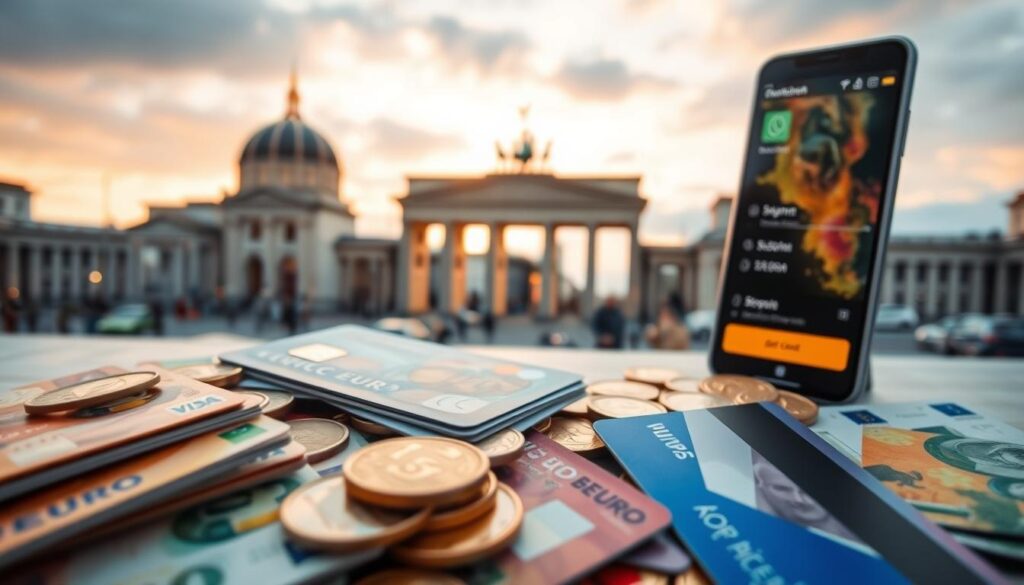
Did you know over 340 million people in Europe use one money every day? Knowing what is the currency in germany called can make your trip easier. The Euro is the main money used in Germany.
Understanding the local money system makes your trip smoother. Whether you’re in Berlin or the Bavarian Alps, you need the right money. This helps you stick to your budget.
Knowing the basics of currency in germany makes shopping and eating out easy. Learn about German coins and banknotes before you go. This way, you’ll have a great trip.
Key Takeaways
- The official legal tender used throughout the nation is the Euro.
- You should carry some cash for small purchases at local markets.
- Most businesses accept major credit cards, but cash remains king in many areas.
- Familiarize yourself with coin denominations to simplify your daily spending.
- Always inform your bank about your travel dates to avoid card blocks.
Understanding the Euro: What is the currency in Germany called?
Many travelers wonder about Germany’s currency before they go. The good news is that the currency used in Germany is the euro. It’s the official money for the whole country, and it’s the only one used in Germany now.
Whether you’re in a big city or a small village, the euro currency is accepted everywhere. This makes traveling easier, as you don’t have to change money when you go to places like France or Austria.
The official status of the Euro in the European Union
The germany currency name is officially the euro. It’s the common money for most of the European Union. By using this shared system, Germany became a key part of the European economy. This has many benefits for both locals and visitors:
- Price transparency: You can easily compare prices in different countries.
- Reduced costs: You don’t have to deal with the trouble and cost of changing money.
- Economic stability: The shared currency makes the financial situation more stable.
Why Germany transitioned from the Deutsche Mark
Before, Germany used the Deutsche Mark, a sign of its economic growth after the war. Switching to the euro currency in Germany was a smart move. It was meant to strengthen ties within Europe. By dropping its own money, Germany wanted to make the market more open and competitive.
This change was more than just about money; it was about unity. It got rid of the ups and downs in exchange rates that made trade and travel hard. Now, the euro shows Germany’s dedication to a united and prosperous Europe.
Historical Context: From the Deutsche Mark to the Euro
The journey of the german monetary system is quite interesting. It moved from national pride to unity across Europe. Before the Euro, Germany had its own currency, showing its post-war identity and economic power.
The legacy of the German Mark
The deutsche mark was key to Germany’s economic success for many years. It was more than money; it was a symbol of stability and trust for many.
“The mark was the symbol of our reconstruction and our hard-won prosperity in the heart of Europe.”
Many remember the deutschmark for its reliability in the late 20th century. It gave a sense of security that shaped today’s germany currency name.
The timeline of the Euro adoption in Germany
The move to a unified europe currency was a long process. Germany switched to the Euro as part of a bigger plan for unity.
The table below shows the main differences between the old and new currency systems.
| Feature | Deutsche Mark | Euro |
|---|---|---|
| Status | National Currency | Continental Currency |
| Primary Use | Domestic Trade | International Trade |
| Introduction | 1948 | 2002 (Cash) |
| Symbol | DM | € |
By 2002, the change was complete, and the german currency name became the Euro. This made traveling and doing business across borders easier, helping you move around Europe with one reliable currency.
Denominations and Design: A breakdown of German banknotes and coins
When you arrive in Germany, you’ll see the germany money unit has its own banknotes and coins. The german currency symbol (€) is the same everywhere in the Eurozone. But the money itself has special designs and security features.
Knowing about these helps you shop and buy things easily in local markets.
Understanding Euro banknote security features
The banknotes in germany are made of pure cotton fiber. This makes them feel different from regular paper. They also have special security features to keep your money safe.
Look for the holographic stripe on the right side. It changes when you tilt it. The watermark is also visible when you hold it up to light. High-value notes have a color-changing number that shifts from purple to olive green or brown.
These features make it hard to counterfeit money. They also give you confidence when you’re spending.
Common coin denominations you will encounter
You’ll use german coins for small things like coffee or bus tickets. The euro coins come in eight different values, from one cent to two euros. Each coin has a common European side and a national side that shows where it’s from.
Here’s a table that shows the money you might carry:
| Denomination | Type | Material/Color |
|---|---|---|
| 1, 2, 5 Cents | Copper-covered steel | Reddish-brown |
| 10, 20, 50 Cents | Nordic gold | Yellow-gold |
| 1, 2 Euros | Bi-metallic | Silver and Gold |
Current Exchange Rates: Converting your US Dollars to Euros
Before you board your flight, it’s key to know the current currency in Germany. Exchange rates change daily due to global economic shifts. This means your spending power can change before you even arrive.
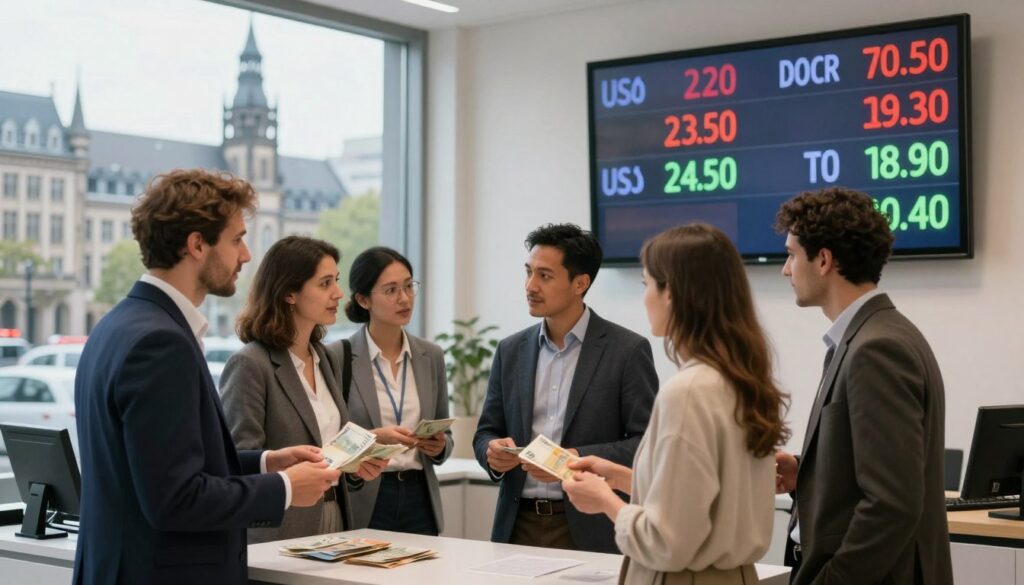
Staying informed helps you make better financial choices while abroad. By watching the germany currency exchange rate, you can avoid surprises when buying meals or souvenirs.
How to track the Euro to Dollar conversion
Tracking the euro to dollar market is now easy with modern tech. You don’t need to be a finance expert to keep up with these trends.
- Set up price alerts on financial news websites.
- Check major banking apps for daily updates.
- Use search engines to view live charts of market movements.
“The secret to a successful international trip lies in the preparation of your finances before you leave home.”
Tools for calculating your travel budget
Using a reliable currency converter euro tool is the best way to manage your expenses. These tools give real-time data, so you can estimate costs in your home currency instantly.
Many mobile apps let you track your spending and do a quick german euro conversion on the go. Having these apps on your phone means you always know your spending in US Dollars.
| Tool Type | Primary Benefit | Accessibility |
|---|---|---|
| Mobile Apps | Offline access | High |
| Bank Websites | Accurate rates | Medium |
| Search Engines | Instant results | High |
Practical Tips for Currency Exchange in Germany
When you arrive in Germany, knowing where to exchange your currency can save you a lot of money. Making smart choices about your money means you can enjoy more of your trip. Smart planning is essential for a great journey.
Where to find the best exchange rates
For the best rates, visit local banks or established financial places in city centers. These spots usually have clear prices and lower fees than tourist booths. Using a trusted currency exchange in Germany helps you make your money go further.
Consider using your debit card at a local bank’s ATM. This often gives you a rate close to the real exchange rate. Make sure your home bank works with a German bank to save on fees.
Avoiding high-fee airport kiosks
It’s tempting to exchange money right after you land, but airport kiosks are not the best choice. They charge high commissions and have bad rates to take advantage of tired travelers. Try to avoid these places.
If you need to exchange money, just get a little to cover your first ride. Wait until you’re in the city center for better rates. Being smart helps you avoid extra fees that many tourists pay without knowing.
| Exchange Method | Typical Fee Level | Convenience | Rate Quality |
|---|---|---|---|
| Airport Kiosks | Very High | High | Poor |
| Local Banks | Low | Medium | Excellent |
| Bank ATMs | Low/Moderate | High | Very Good |
| City Bureaus | Moderate | High | Good |
Using Credit Cards and Digital Payments in Germany
In Germany, paying for things is changing. The euro in germany is still the main currency. But, how you pay is getting more digital. Cash used to be the top choice, but now digital payments are common in cities.
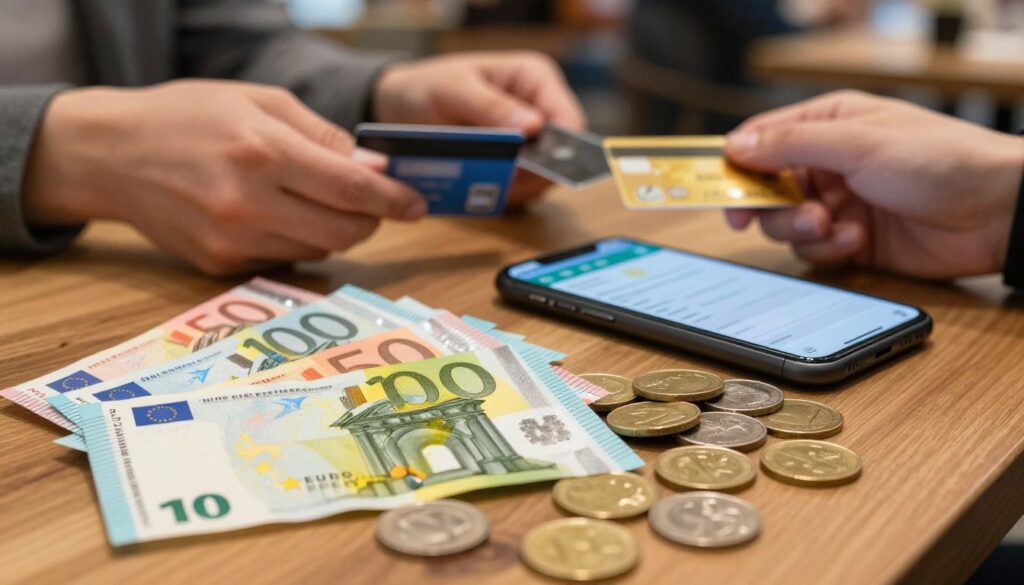
The prevalence of cash versus card in German cities
In big cities like Berlin, Munich, and Hamburg, cards are the norm. Big stores, hotels, and fancy restaurants take cards from all over the world. But, small shops, bakeries, and old cafes still like cash.
It’s smart to carry some cash for these places. Using only cards might not work in local markets or small towns. Look for signs saying “cash only” or “barzahlung” to know if you need cash.
Contactless payment technology in local shops
Contactless payments are everywhere in Germany. You can pay with your phone or card for many things. It’s quick and safe, unlike old chip-and-pin methods.
Most places have NFC technology for easy tap payments. Mobile wallets like Apple Pay or Google Pay work well here too. This makes handling your euro in germany easier while traveling.
| Payment Method | Acceptance Level | Best Use Case |
|---|---|---|
| Credit Cards | High (Urban) | Hotels and Large Stores |
| Debit Cards | Very High | General Daily Purchases |
| Cash (Euro) | Universal | Small Cafes and Markets |
| Mobile Wallets | High (Modern) | Transit and Retail |
Banking and ATM Etiquette for American Travelers
When you travel to Germany, knowing how to handle your money is key. It’s not just about how much you spend, but also where you get cash. Following local customs can make your trip less stressful.
Locating reliable ATMs in major German hubs
Major cities in Germany have many ATMs, but not all are safe. Stick to ATMs inside bank branches. These official bank ATMs are safer and have better exchange rates than those in tourist areas.
Look for well-known banks like Deutsche Bank or Sparkasse. Using a machine that handles deutsche bank currency ensures safety. Always check the ATM for signs of tampering before using it.
Understanding foreign transaction fees
Before you travel, check with your bank about international withdrawal fees. Many banks charge a foreign transaction fee for withdrawals abroad. This can add up quickly.
To save money, withdraw cash in larger amounts. This reduces the number of fees you pay. Always choose to be charged in Euros, not through dynamic currency conversion, to avoid bad exchange rates.
By being careful and choosing the right ATMs, you can manage your deutsche bank currency without extra costs. Being prepared lets you enjoy your trip more, without worrying about money.
Avoiding Common Currency Scams and Pitfalls
Germany is a safe place for travelers, but it’s wise to stay alert about money matters. Knowing the risks helps you enjoy your trip without worrying about money.
Most money problems can be prevented with some planning and smart thinking. Learning how to check your cash and where to keep it will make you feel safer on your travels.
Identifying counterfeit currency
Even though fake Euro notes are rare, it’s good to know how to spot them. The European Central Bank has special security features that are easy to check.
Here are three key things to look for when handling cash:
- Feel: Real banknotes feel crisp and firm because they’re made of pure cotton.
- Look: Hold the note up to the light to see the watermark and security thread.
- Tilt: Move the note to see the hologram change or the emerald number shift color.
If you’re unsure about a banknote, ask for a different one. Most shopkeepers will be happy to help if they have another.
Staying safe in tourist-heavy areas
Places like famous landmarks and busy train stations are where pickpockets often target tourists. To lower your risk, keep your belongings close and stay alert.
Here are some tips to protect your money while exploring:
- Put your wallet in a front pocket or a secure, zipped bag instead of an open backpack.
- Be cautious of strangers who try to distract you, like asking for directions or showing you a map.
- Use ATMs inside bank branches, as they are safer than those on the street.
- Avoid counting large amounts of cash in public where others might watch.
Being vigilant is your best defense against theft. By keeping your valuables close and staying alert in crowded places, you can enjoy Germany’s beauty and culture without worry.
Tax-Free Shopping and VAT Refunds for Tourists
If you’re planning to shop a lot in Germany, knowing about the Value Added Tax (VAT) refund is key. Germany charges a tax on most goods, but you might get this tax back if you’re not from the European Union. This can save you a lot of money on your trip.
Eligibility requirements for US citizens
To get a VAT refund, you need to meet certain rules set by Germany. You must live outside the European Union, which is true for all Americans. Also, your purchases must be for personal use and leave the EU within three months.
Not every store offers tax-free shopping, so look for the “Tax-Free” signage outside. When you buy something, ask the cashier for a tax-free form. You’ll need to show your valid US passport to prove where you live.
The process of claiming your VAT refund at the airport
The last step is at the airport before you leave. Arrive early because lines can be long. Here’s how to get your refund:
- Prepare your documents: Have your passport, receipts, and tax-free forms ready.
- Visit Customs: Go to the customs office (Zoll) before checking your bags. Show the items you bought, keeping them in your carry-on if you can.
- Submit for payment: After your forms are stamped, go to the refund desk, like Global Blue or Planet, to get your money.
You can get your refund on a credit card, bank transfer, or cash. Getting it on your card is usually the most convenient way for travelers. Make sure your forms are fully stamped, or you won’t get your refund.
Budgeting for Your Trip: Cost of Living and Daily Expenses
Before you go, make sure your finances are in order. This way, you can enjoy your trip without worrying about money. Knowing how to handle your german money lets you plan for everything, from museums to coffee breaks.
Estimating daily spending for food and transport
Your daily budget depends on how you travel and where you go. A mid-range traveler should budget 80 to 120 Euros per day. This covers meals, transport, and entry fees. Planning ahead makes managing your german money easier.
Public transport is cheap and efficient. Cities offer passes or group tickets that save money. This lets you spend more on food and souvenirs.
Tipping culture and monetary expectations
Tipping in Germany is not required but is appreciated. Round up the bill or add 5% to 10% for good service. When paying with german money at a restaurant, tell the server the total amount.
For quick coffee or snacks, tipping is not expected. But, keep some coins for small services or public restrooms. Being polite and prepared makes your interactions with locals better.
Conclusion
Understanding the mix of cash and digital payments in Germany makes traveling easier. You now know how to manage your money well. This way, you can enjoy historic cities and charming villages without worry.
For small purchases, keep some Euro banknotes and coins handy. Use your credit card for bigger deals and hotel payments. This keeps your spending clear and avoids extra fees.
Don’t forget to use VAT refund programs for savings on souvenirs and gifts. Planning ahead lets you dive into Germany’s culture and museums. Your trip will be smoother with every transaction ready.
Share your travel stories or ask for tips in the comments below. Talking with other travelers offers great advice. Enjoy exploring Europe’s heart with confidence and ease.
FAQ
What is the currency in Germany called and what is its official symbol?
In Germany, the currency is called the Euro. Its symbol is €. It’s the main money unit used for all transactions in the country. When you travel, you’ll see prices in this currency everywhere.
How did the German euro conversion change the country’s monetary system?
In 2002, Germany switched to the Euro from the Deutsche Mark. The Euro is now the only legal money in Germany. If you find old Deutsche Mark banknotes, you can still exchange them at Deutsche Bundesbank branches.
What denominations of German banknotes and euro coins will I use?
You’ll use German banknotes in €5, €10, €20, €50, €100, and €200 denominations. For smaller purchases, euro coins are used. These coins have unique designs on one side, like the Brandenburg Gate.
Where can I find the best currency exchange in Germany?
For the best exchange rates, visit major banks like Deutsche Bank or Commerzbank. While you can exchange money at airports and train stations, these places often charge more. Use a currency converter app to check rates before exchanging your money.
Is it easy to find a reliable ATM for the currency used in Germany?
Yes, ATMs are common in big cities. Use ATMs from well-known banks like Sparkasse or Postbank for withdrawals. Be aware of any fees your bank might charge for foreign transactions.
Can I use credit cards, or is cash still the main currency in Germany now?
While digital payments are becoming more common, cash is still key, especially in small shops. However, contactless payments are accepted in big stores. It’s wise to carry both cash and a card for different situations.
How can I track the euro to dollar conversion to stay within my budget?
Use digital tools like XE Currency Converter or OANDA to track the euro to dollar rate. Knowing this helps you budget for food, transport, and sightseeing more accurately.
What should I know about identifying counterfeit banknotes in Germany?
Euro banknotes have advanced security features like holograms and watermarks. Use the “feel, look, and tilt” method to check if a note is real. Always exchange money at reputable banks to avoid counterfeit notes.
How do I claim a VAT refund on my german money purchases?
As a US traveler, you can get a VAT refund on certain purchases. Ask for a “Tax-Free” form when you spend money. Present this form, your receipts, and unused goods at the airport customs before flying home to get your refund.
What is the tipping etiquette when using the euro currency in Germany?
Tipping in Germany is common but less than in the US. Round up the bill or leave a 5% to 10% tip in restaurants. Tell the server the total amount you want to pay instead of leaving coins on the table.

Adam G
This post was created by Adam G, a seasoned financial writer with a passion for explaining currency exchange and market movements
 English
 简体中文
简体中文 Español
 Deutsch
 Français
 العربية
 Polski