Planning a trip to the Mediterranean needs smart money planning. Did you know taking local bills out of Tunisia is against the law? Tunisian dinar (ISO: TND) is the main money you’ll use while exploring ancient sites or busy markets.
This money unit is different, with 1,000 milim instead of cents. Knowing the exchange rates is key for a smooth trip. You must handle your cash carefully because the government strictly controls all bank notes.
Using currency of tunisia correctly helps avoid legal trouble. Carrying cash is common in local souks. Coins and notes are useful for everyday purchases like jasmine or street food.
Knowing the local laws is important to avoid issues at airport security. Local banks can exchange your money if you arrive with dollars or euros. Always keep your receipts to change any leftover money before you leave.
Understanding these details helps you manage your budget well. Proper planning lets you enjoy your North African adventure. Keep track of your spending to stay within your budget.
Key Takeaways
- Official money for Tunisia uses the ISO code TND.
- One dinar equals 1,000 smaller units called milim or millimes.
- Exporting local cash from the country remains strictly prohibited by law.
- Physical cash is vital for shopping in traditional markets and souks.
- Keep all exchange receipts to convert money back when you leave.
- Bank notes and coins come in various denominations for daily use.
What is the Tunisian Currency? Understanding the Tunisian Dinar
Exploring Tunisia’s financial scene, you’ll see the dinar’s importance. The Tunisian dinar, or “dinar tunisien,” is Tunisia’s official currency. It’s a key part of a country with a deep history and a strategic spot in North Africa.
The Official Tunisian Money Name and Designation
The Tunisian dinar is known as “TND” in global markets. It’s the main currency in Tunisia, split into 1,000 millimes. The name “dinar” comes from the Roman denarius, showing Tunisia’s monetary history.
The Central Bank of Tunisia issues the dinar. It oversees Tunisia’s money policy and keeps the currency stable.
Historical Background of Tunisia’s Monetary Unit
The dinar started in 1960, replacing the Tunisian franc. This change brought Tunisia closer to global currency standards and better economic management.
The dinar’s history is rich, dating back to ancient times. It has changed over the years, influenced by many cultures and empires in Tunisia’s past.
The Dinar’s Place in the Regional Economy
Tunisia’s economy is varied, with big sectors like agriculture, mining, and tourism. The dinar is key for these sectors, helping with local and international deals.
Some important roles of the dinar include:
- Helping trade with nearby countries
- Being part of regional economic plans
- Impacting tourism through exchange rates
Knowing about the Tunisian dinar helps understand Tunisia’s economy and its role in the region.
Tunisian Currency Symbol and Currency Code Explained
The Tunisian dinar has its own special mark in the world of money. Knowing this can make your money dealings easier. It’s key to know the symbol and code of the currency in Tunisia.
The Tunisian dinar is known by a symbol and code worldwide. The symbol is د.ت (in Tunisian Arabic) or DT (in Latin). Its code is TND.
Recognizing the Tunisia Currency Symbol
The symbol for the Tunisian dinar is د.ت (Tunisian Arabic) or DT (Latin). This helps in both local and international money dealings. In Tunisia, you’ll see د.ت on prices and currency boards. Abroad, DT is used more in money transactions.
For instance, “د.ت 10” or “DT 10” means 10 Tunisian dinars. This makes it clear how much things cost.
The TND Currency Code in International Markets
The TND code is used worldwide for the Tunisian dinar. It’s key for international money dealings, currency exchange, and financial reports. When you’re exchanging or sending money to Tunisia, the TND code makes sure it’s done right.
Some important facts about the TND code include:
- It’s used in international money transfers to show Tunisian dinars are involved.
- Currency exchange platforms and banks use TND for the Tunisian dinar.
- Financial reports and economic data often mention TND when talking about Tunisia’s economy.
How Your Bank Displays Tunisian Money
How your bank shows Tunisian dinars can differ. Some might use “TND,” others “DT” or د.ت.
Banks follow international standards for showing money. So, how the Tunisian dinar is shown can change based on the bank and the transaction.
To be clear, it’s wise to ask your bank how they show the Tunisian dinar. Knowing this can help you understand your money dealings better.
Tunisian Dinar Denominations: Bills and Coins You’ll Use
To get around Tunisia’s economy, knowing the Tunisian Dinar’s different values is key. The currency comes in banknotes and coins, each with unique features and security measures.
Current Banknote Denominations in Circulation
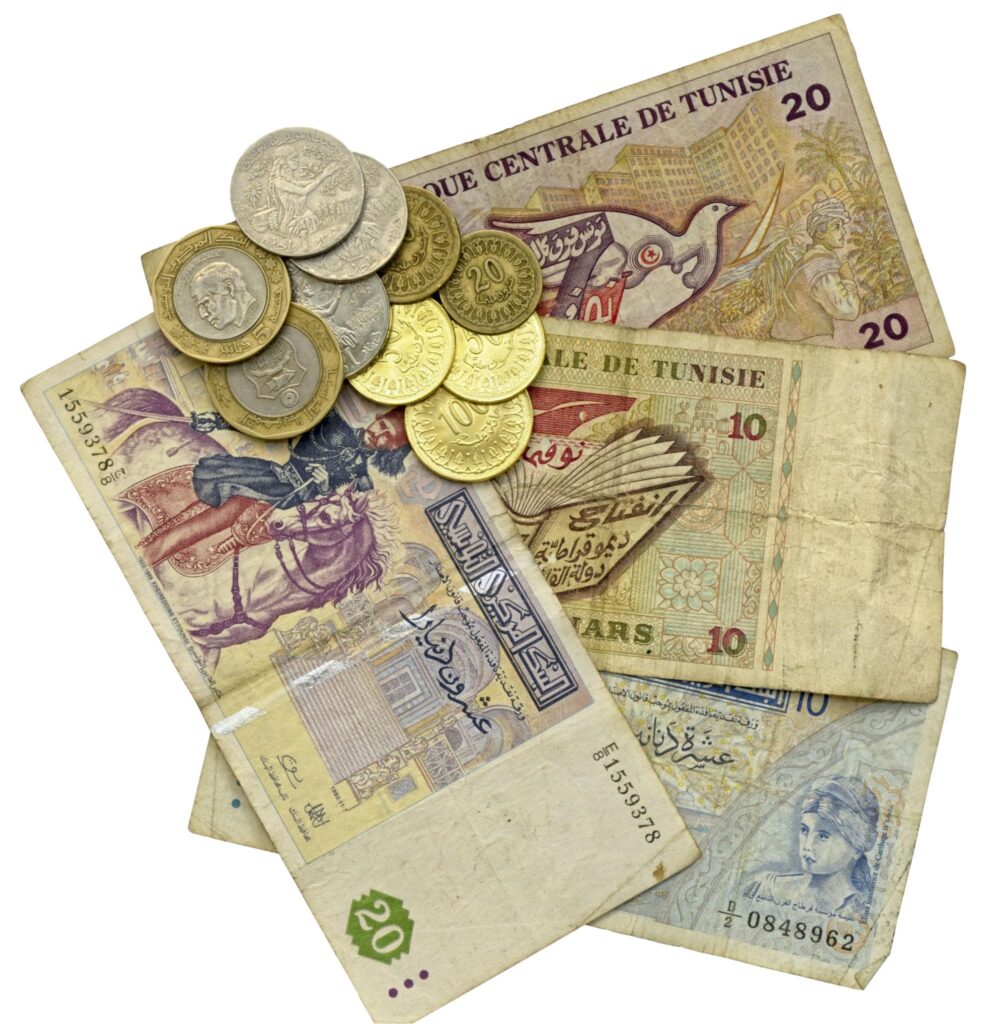
The Tunisian dinar has banknotes for 5, 10, 20, and 50 dinars. These notes have advanced security to stop fake money. They help with all kinds of transactions, big and small.
Tunisian Coins and Their Values
Coins in Tunisia are for 50, 100, and 200 millimes, and 1/2, 1, 2, and 5 dinars. They’re for small buys and are a big part of the currency. Knowing the coin values makes shopping easier.
Design Features and Security Elements
The Tunisian Dinar’s banknotes and coins have special designs and security features. They include watermarks, holograms, and detailed designs hard to fake. Learning about these will help spot real money.
Identifying Authentic Tunisian Currency
It’s important to know how to spot real Tunisian Dinar money. Look for the official logo, watermarks, and security threads. If unsure, check with a bank or a trusted currency exchange.
Understanding the Tunisian Dinar’s values and security will make your money dealings in Tunisia smooth.
Tunisian Dinar to USD: Current Exchange Rate Information
Planning a trip to Tunisia or doing business internationally? Knowing the Tunisian dinar to USD exchange rate is key. This rate affects your money, whether for travel or business.
Today’s Tunisian Currency Rate Against the Dollar
The exchange rate between the Tunisian dinar (TND) and the US dollar (USD) changes often. This is due to many economic factors. Always check the latest rates before making any money decisions.
Current Exchange Rate: 1 USD = about 3.10 TND (check a reliable source for the newest rate).
How the Exchange Rate in Tunisia is Determined
The Tunisian exchange rate is shaped by several factors. These include inflation, interest rates, trade balances, and foreign reserves. The Central Bank of Tunisia manages the country’s money policy, affecting the rate.
- Economic indicators like GDP growth and inflation rates
- Monetary policy decisions by the Central Bank of Tunisia
- Global market trends and world events
Comparing Official and Market Rates
In Tunisia, there are official and market exchange rates. The Central Bank sets the official rate. Market rates change based on where you exchange money, like banks or currency offices.
| Exchange Rate Type | Description | Typical Use |
|---|---|---|
| Official Rate | Set by the Central Bank of Tunisia | Used for official transactions and as a reference |
| Market Rate | Varies by currency exchange providers | Used for tourist and commercial transactions |
Knowing the difference between these rates helps you make better choices when exchanging money or doing financial deals in Tunisia.
Using a Tunisian Currency Converter Effectively
To make the most of your money in Tunisia, learning to use a Tunisian currency converter well is key. The local currency is the Tunisian Dinar. So, converting your money right is important for a smooth trip.
Best Online Currency Converters for Tunisian Dinar
Many online sites offer to convert Tunisian Dinars. Here are some top ones:
- XE.com: Known for providing real-time exchange rates.
- TransferWise: Offers competitive exchange rates and lower fees.
- Google Currency Converter: A quick and straightforward tool for conversions.
These platforms give you the latest exchange rates. As experts say,
“The key to getting the best exchange rate is to stay informed and compare rates across different platforms.”
Understanding Real-Time vs. Bank Rates
It’s important to know the difference between real-time exchange rates and bank rates. Real-time rates reflect the current market value. Banks and exchange services might charge more, making their rates less good.
Real-time rates are great for seeing the current market value. But, for big money, even a small difference can add up a lot.
Mobile Apps for Currency Conversion
Mobile apps also help convert currencies easily. Apps like Currency Converter Plus and XE Currency give real-time conversions and are easy to use.
The Tunisian Central Bank and Its Role in Currency Management
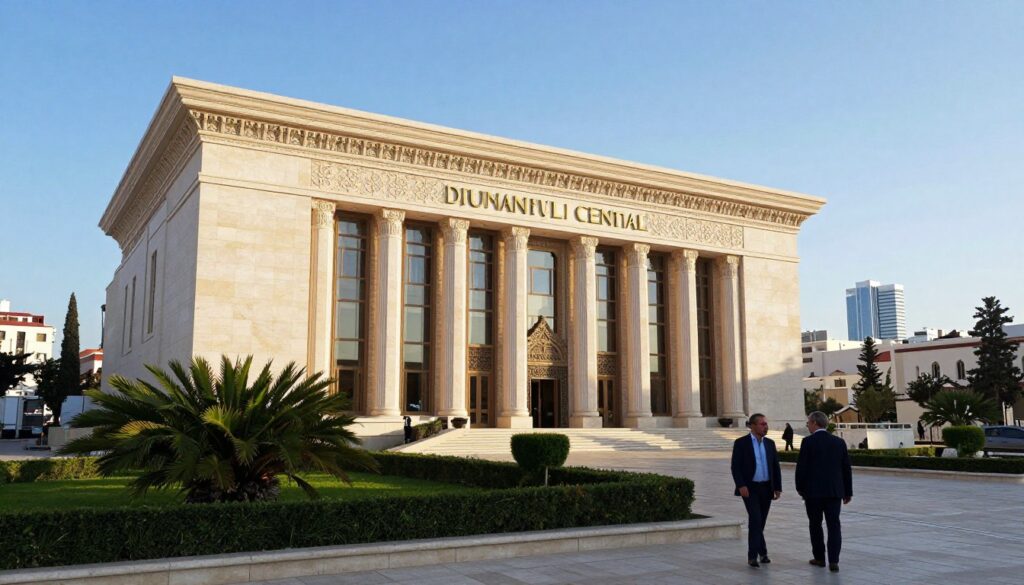
The Central Bank of Tunisia leads in keeping the economy stable. It controls the money supply and sets interest rates. This is key for the country’s financial health.
How the Central Bank of Tunisia Controls Money Supply
The Central Bank uses many tools to manage money supply. It buys and sells government securities to keep the economy stable. This helps control inflation.
By adjusting money supply, the bank influences interest rates. This balance is vital for the dinar’s value and economic growth.
Recent Tunisian Currency News and Policy Changes
Recent news shows the Central Bank’s efforts to stabilize the dinar. It has made policy changes to tackle inflation and currency issues.
These changes include adjusting interest rates and improving foreign exchange liquidity. Staying updated helps understand the Tunisian economy and dinar value.
Interest Rates and Their Impact on Currency Value
Interest rates are crucial for the dinar’s value. When the Central Bank changes rates, it affects investor interest.
Higher rates make the dinar more appealing, possibly increasing its value. Lower rates make it less attractive, possibly decreasing its value.
The Bank’s Response to Economic Challenges
The Central Bank of Tunisia has shown it can handle economic challenges well. It uses monetary policy tools to keep the economy stable and support the dinar.
In uncertain times, the bank’s actions are key. They help keep investor confidence and ensure the Tunisian economy’s stability.
Tunisian Money Exchange: Your Complete Guide
To enjoy your Tunisian trip fully, understanding money exchange is key. Knowing where and how to exchange your money can save you money and stress. Tunisia has many places to exchange currency, like airports, hotels, banks, and ATMs.
Where to Exchange Currency in Tunisia
In Tunisia, you can exchange money in several spots. Local banks are a safe choice with good rates. You can also find currency exchange offices in tourist spots.
Tunisia Currency Exchange Options at Airports and Hotels
At the airport, you can exchange your money. But, the rates might not be the best. Hotels also exchange money, but rates can differ. Always compare rates before you exchange.
Using ATMs for Tunisian Foreign Exchange
ATMs are easy to use for local currency. Most accept major cards. Watch out for foreign transaction fees. Tell your bank about your trip to avoid issues.
Getting the Best Tunisian Currency Exchange Rate
To get the best rate, compare at different places. Avoid airports and hotels for better rates. A currency converter app can keep you updated on rates.
| Exchange Location | Exchange Rate | Fees |
|---|---|---|
| Local Banks | Competitive | Low |
| Currency Exchange Offices | Competitive | Variable |
| Airports | Less Competitive | High |
| Hotels | Variable | High |
| ATMs | Market Rate | Bank Fees Apply |
Tunisian Foreign Exchange Regulations You Need to Know
Traveling to Tunisia means knowing its foreign exchange rules. These rules are strict for the Tunisian Dinar (TND) and other currencies. It’s key to avoid any issues.
Currency Import and Export Limits
Tunisia has strict rules for its currency, the Tunisian Dinar (TND). You can bring in any foreign currency without limits. But, declare more than 5,000 Tunisian Dinars or its equivalent when you arrive.
Exporting Tunisian Dinars is limited. You can only take out what you declared when you entered.
Key limits to remember:
- No restrictions on importing foreign currency.
- Declaration required for foreign currency exceeding 5,000 TND or equivalent upon arrival.
- Export of TND is limited to the amount declared upon entry.
Declaration Requirements for Travelers
When you arrive in Tunisia, declare any foreign currency over 5,000 TND or its equivalent. This is a must, and not doing so can lead to penalties. Keep receipts for currency exchanges to prove your funds’ origin.
Make sure you have all necessary documents ready. This will help avoid any travel delays or issues.
Restrictions on Converting Tunisian Dinar
The Tunisian Dinar is not fully convertible. This means there are limits on exchanging it for other currencies. You can exchange TND back to your original currency when leaving, but only up to what you declared upon arrival.
The exchange rate might not favor you, so plan your currency exchange carefully.
| Currency | Import Limit | Export Limit | Declaration Requirement |
|---|---|---|---|
| Foreign Currency | No Limit | No Limit | Above 5,000 TND or equivalent |
| Tunisian Dinar (TND) | No Limit (declare upon entry) | Limited to declared amount upon entry | Required upon entry |

Knowing these regulations will make managing your money in Tunisia easier. Always check for updates before your trip. Regulations can change.
The Tunisian Economy and Currency Stability Today
Exploring the Tunisian economy shows how currency stability is tied to many factors. The value of the Tunisian dinar is affected by the country’s economic health, monetary policies, and outside influences.
Current State of the Tunisian Monetary System
The Central Bank of Tunisia manages the country’s monetary system. It’s key to keeping the currency stable. The bank uses policies to fight inflation, manage foreign exchange, and keep the financial system stable.
Key aspects of the current monetary system include:
- Regulation of money supply
- Management of foreign exchange reserves
- Setting interest rates
Recent Tunisian Currency News and Economic Updates
Recent news on Tunisia’s economy is mixed. There are challenges like inflation and debt, but also efforts to reform and stabilize the economy.
Some recent developments include:
- Efforts to improve foreign investment
- Reforms in the banking sector
- Initiatives to boost economic growth
Inflation and Its Effect on Tunisian Currency Value
Inflation greatly affects the Tunisian dinar’s value. High inflation reduces the currency’s buying power and impacts stability.
The inflation rate in Tunisia has been a concern, with fluctuations in food and energy prices contributing to overall inflationary pressures. Managing inflation is crucial for maintaining currency stability.
Future Outlook for the Currency of Tunisia
The future of the Tunisian dinar depends on several factors. These include economic reforms, global economic conditions, and the success of monetary policies.
Key factors that will influence the future of the Tunisian currency include:
| Factor | Impact |
|---|---|
| Economic reforms | Positive impact if successful |
| Global economic conditions | Variable impact |
| Monetary policy effectiveness | Crucial for stability |
Conclusion
Knowing about the Tunisian currency is key when dealing with money in Tunisia. The Tunisian dinar is the main money, with a long history and different types. Keeping up with the dinar’s exchange rates and rules can really help your money dealings.
If you’re visiting or working in Tunisia, staying current with the dinar is important. The dinar’s value and stability are tied to Tunisia’s economy and money system.
Understanding the Tunisian dinar well helps you handle your money better. This knowledge is crucial for making smart choices while in Tunisia.
FAQ
What is the official Tunisian money name and its international code?
The official money in Tunisia is called the Tunisian dinar. It’s known as TND in the global market. You’ll see it on exchange boards and apps like Revolut or Wise.
What is the tunisia currency symbol and how is it used?
The symbol for the Tunisian dinar is DT (Dinar Tunisien) or د.ت in Arabic. Prices are often shown with three decimal places, like 5.500 DT.
Where can I find the current exchange rate for the Tunisian dinar to USD?
Check the Tunisian central bank’s website or a reliable converter for the latest rate. The rate changes based on global demand and local policies. Use sources like Bloomberg or Google Finance for real-time rates.
What are the common denominations of the Tunisian dinar?
You’ll use various denominations during your stay. Banknotes include 5, 10, 20, and 50 dinars. Coins are 1, 2, and 5 dinars, and 10, 20, 50, 100, and 200 milimes. Knowing these will help with transactions.
Where is the best place to handle a Tunisian money exchange?
Visit major banks like BIAT or Attijari Bank for secure exchanges. You can also use counters at Tunis-Carthage International Airport. High-end hotels offer services, but rates might not be as good as banks.
Are there restrictions on the Tunisian foreign exchange for travelers?
Yes, there are strict rules. It’s illegal to take dinars out of Tunisia. Exchange your money upon arrival. When leaving, convert your dinars back at the airport with your receipts.
How does the Tunisian economy affect the tunisian currency value?
The economy, based on tourism, agriculture, and exports, impacts the dinar’s value. The central bank watches inflation and trade balance for stability. Stay updated with news from Reuters for rate changes.
Can I use an ATM to get tunis currency?
Yes, ATMs are convenient for getting currency. Most urban ATMs accept Visa and Mastercard. Be aware of any fees your bank might charge.
Why should I use a tunisian currency converter before my trip?
A currency converter helps with budgeting. It shows the current rate, helping you plan for costs. Apps like XE Currency Converter provide timely data.

Adam G
This post was created by Adam G, a seasoned financial writer with a passion for explaining currency exchange and market movements