
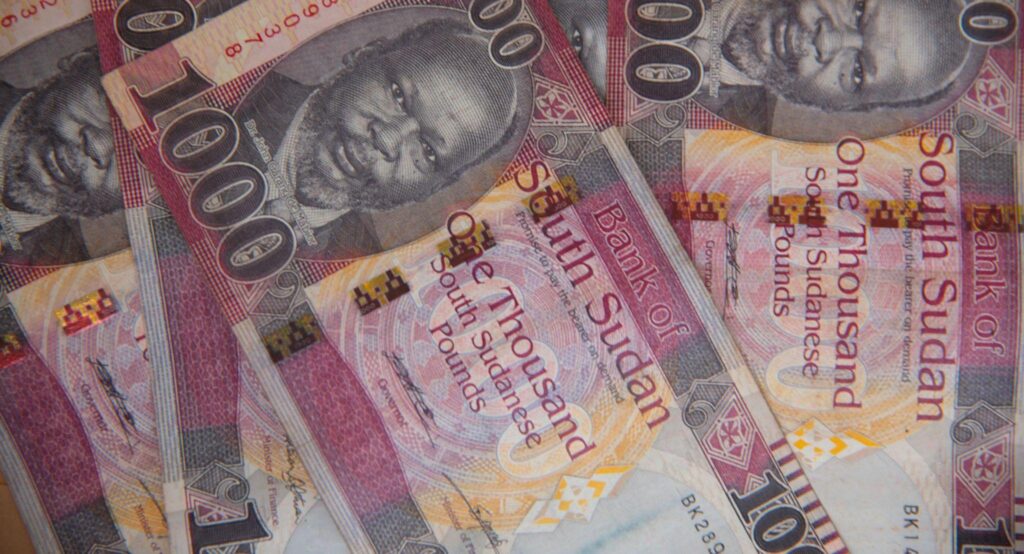
Did you know the youngest nation on Earth launched its legal tender just days after gaining independence in 2011? This bold move signaled a new era for a country striving for financial autonomy. It was a giant leap toward economic stability and national identity.
Setting up a national monetary system is a huge challenge for any new country. The official legal tender is key for local trade and international relations. It also symbolizes sovereignty for millions of people.
Understanding the south sudanese pound is the first step to getting the local markets. These notes show the rich history and cultural heritage of the people. They are the heartbeat of the nation’s fragile yet growing economy.
Managing wealth in this area involves facing many economic challenges. Despite these, the official notes are the backbone of daily life. They help with every transaction, from small village markets to big urban business deals.
Key Takeaways
- The nation launched its own legal tender in 2011 shortly after independence.
- The monetary system serves as a primary symbol of national identity and pride.
- It facilitates essential daily transactions across both rural and urban areas.
- Official banknotes highlight the cultural heritage of the young country.
- The financial structure is a cornerstone for local economic development and trade.
- Understanding the tender is crucial for anyone entering the local market.
What is the South Sudan Currency?
The South Sudanese pound is the official currency of South Sudan. It plays a key role in the country’s financial system. South Sudan became the world’s newest country in 2011. It introduced its own currency to show its monetary freedom.
The South Sudanese Pound: Official National Currency
The Bank of South Sudan issues the South Sudanese pound. This central bank manages the country’s money policy. The introduction of this currency was a big step towards an independent economy.
The currency is used for all financial dealings in the country. It shows South Sudan’s independence and freedom. It replaced the Sudanese pound before independence.
Currency Symbol and International Code
The international code for the South Sudanese pound is SSP. The currency symbol is not as common as others. It is often shown as “SSP” or “£SSP” to avoid confusion.
Here are some key facts about the South Sudanese pound:
- Issued by: Bank of South Sudan
- International Code: SSP
- Currency Symbol: SSP or £SSP
Knowing about the South Sudanese pound is important. It’s vital for anyone dealing with money in South Sudan. This includes business, travel, or investments.
The Birth of the South Sudanese Pound
After gaining independence in 2011, South Sudan started to create its own currency. This move was a big step towards becoming a fully independent nation. It showed the country’s desire for financial freedom.
Independence and Monetary Sovereignty in 2011
2011 was a key year for South Sudan. It became an independent country, not just politically but also economically. The new nation wanted its own financial systems, including a currency. The South Sudanese pound was a major part of this goal.
Transition from Sudanese Pound
Before 2011, the Sudanese pound was used. This was a leftover from before South Sudan was independent. With independence, a new currency was needed. The South Sudanese pound replaced the old one, helping the country gain economic freedom.
Key Milestones in Currency Development
The creation of the South Sudanese pound had many important steps. These included designing new money and setting up rules for using it. These actions helped create a working currency system for the country’s economy.
Central Bank of South Sudan: Governing the Financial System
The Central Bank plays a big role in keeping South Sudan’s finances stable. It makes sure the financial system works well. This includes controlling the South Sudanese pound.
Institutional Role and Mandate
The Central Bank of South Sudan aims to keep money stable and the financial system sound. It works to keep prices stable and supports the financial system. It also helps the government with banking needs.
The Bank of South Sudan Act guides the central bank. It tells the bank to make and carry out monetary policy. This means managing interest rates and the money supply to meet its goals.
Monetary Policy Framework
The Central Bank’s monetary policy aims for price stability and economic growth. It uses tools like setting reserve requirements and managing liquidity. This helps achieve its goals.
Keeping the exchange rate right is also key. The Central Bank steps in to keep the South Sudanese pound stable against other currencies.
Currency Regulation and Oversight
The Central Bank watches over the South Sudanese pound. It makes sure the currency is real and not fake. It fights against counterfeiting.
| Regulatory Function | Description |
|---|---|
| Currency Issuance | Responsible for issuing new currency and withdrawing old currency from circulation. |
| Anti-Counterfeiting Measures | Implements security features to prevent counterfeiting. |
| Bank Supervision | Oversees commercial banks to ensure compliance with regulations. |
The Central Bank’s role is crucial in maintaining the integrity of the financial system. By regulating currency and overseeing monetary policy, it works to create a stable economic environment.
South Sudanese Pound Banknotes: Denominations and Features
It’s important to know about the South Sudanese pound banknotes for locals and visitors. The pound comes in different values, each with special security features to stop fake money.
Current Banknote Series in Circulation
The South Sudanese pound has several banknote series. Each series has unique features and security steps. The Bank of South Sudan keeps updating these to fight counterfeiting.
Denomination Values and Usage
South Sudanese pound banknotes come in various sizes for different transactions. They range from small to big values. The most used are SSP 5, SSP 10, SSP 20, SSP 50, and SSP 100.
These banknotes are used all over the country. But, some areas might not have all denominations due to economic reasons.
Security Features and Anti-Counterfeiting Measures
The banknotes have advanced security features to avoid fake money. They include watermarks, holograms, and microprinting. These features make it hard to make fake banknotes.
The Bank of South Sudan keeps improving these security features. They add new series with better security to fight counterfeiting.
South Sudanese Pound Coins and Small Change
The South Sudanese Pound is not just in banknotes. It also comes in coins, which are key to the country’s money system.
Coin Denominations Available
There are different coin sizes for the South Sudanese Pound. They help with small deals and give change. These coins work well with the banknotes to make the currency system work.
| Denomination | Material | Description |
|---|---|---|
| 1 Piastre | Brass | Smallest denomination, used for small transactions |
| 5 Piastres | Brass | Commonly used for everyday purchases |
| 10 Piastres | Copper-Nickel | Used for various transactions, including vending machines |
| 20 Piastres | Copper-Nickel | Less common, but still in circulation |
| 50 Piastres | Copper-Nickel | Higher denomination coin, used for larger small transactions |
| 1 Pound | Bi-metallic | Rarely circulated, mostly commemorative |
Circulation Challenges and Limited Availability
South Sudan coins have big challenges in getting used. There’s not enough of them because of economic issues and the need for cash.
Coins, especially the bigger ones, are hard to find. This problem gets worse because people mostly use cash. This means they need more coins.
Understanding the South Sudanese Pound Exchange Rate
It’s key to understand the South Sudanese pound’s exchange rate to get the country’s financial picture. The rate of the South Sudanese pound (SSP) against other currencies like the US dollar (USD) and Indian rupee (INR) changes a lot. This is because of many economic reasons.
South Sudanese Pound to USD Exchange Rate
The SSP to USD rate shows how well South Sudan’s economy is doing. The rate has been changing a lot lately.Things like oil price changes, conflict, and high prices affect this a lot. The Central Bank of South Sudan tries to keep the rate stable with its policies.
The rate between the SSP and USD is very important for South Sudan. It affects how much money the country gets from oil exports. A steady rate helps the economy grow, but a changing rate can scare off investors and make trade harder.
South Sudanese Pound to INR and Other Currencies
The SSP to INR rate also changes because of the same reasons as the SSP to USD rate.How the USD does against other big currencies also plays a part. For example, if the USD gets stronger against the INR, the SSP to INR rate gets worse for people holding SSP.
It’s important for businesses and people who trade or send money across borders to know about these rates. The rates affect how much imports cost and how much exports are worth. This changes the country’s trade balance a lot.
Exchange Rate Volatility Factors
Many things make the SSP exchange rate change a lot.Things like political trouble, oil price changes, and high prices are big reasons. Political trouble can make investors lose faith, which makes the currency value drop. Oil price changes directly affect South Sudan’s money because oil is a big export.
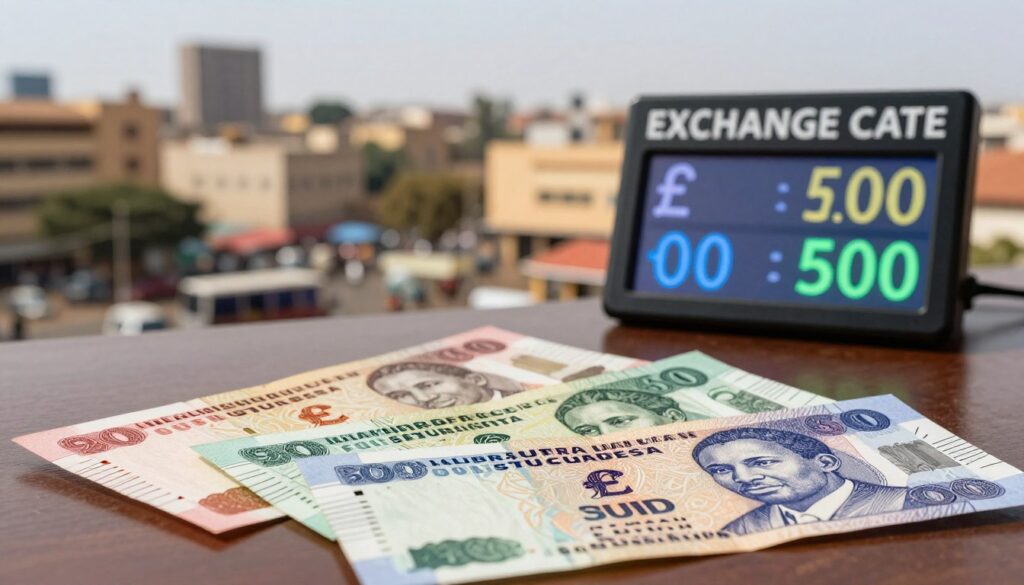
High prices also play a big role. When prices go up, the value of the SSP goes down. This makes it less appealing to investors and less valuable against other currencies.
In short, the South Sudanese pound’s exchange rate is influenced by many things. Knowing about these factors is important for people to deal with the ups and downs in South Sudan’s economy.
South Sudan’s Banking Sector and Financial Infrastructure
South Sudan’s banking scene is changing fast with new digital banking and mobile money services. The country’s financial setup is key for its economic growth and stability.
Commercial Banking Landscape
The commercial banking sector in South Sudan is growing, with many banks operating there. These banks offer services like deposits, loans, and foreign exchange. But, the sector faces challenges like limited infrastructure and low financial inclusion.
Key commercial banks in South Sudan include the Bank of South Sudan, Nile Commercial Bank, and Ivory Bank. These banks are crucial for financial transactions and credit for businesses and people.
Financial Services Availability
Financial services in South Sudan are scarce, with many places without basic banking. The availability of financial services is vital for economic growth. It helps businesses get capital and individuals to save and invest.
A report says South Sudan’s banking sector is still developing but has a lot of potential. It stresses the need for more financial inclusion and access to services.
Digital Banking and Mobile Money Developments
Digital banking and mobile money are getting popular in South Sudan. These services make it easy and safe for people and businesses to handle money.
| Banking Service | Description | Benefits |
|---|---|---|
| Mobile Money | Allows users to store and transfer money using their mobile phones | Convenient, secure, and accessible |
| Digital Banking | Provides online banking services, including account management and transactions | Increased accessibility and convenience |
The growth of digital banking and mobile money is expected to boost financial inclusion and economic growth in South Sudan.
Foreign Exchange Market in South Sudan
South Sudan’s foreign exchange market has both formal and informal parts. The economy, mainly based on oil, struggles to keep its currency stable.
“The foreign exchange market in South Sudan faces many challenges,” financial experts say. “These include rules that are hard to follow and a big black market.”
Currency Conversion Mechanisms
The Central Bank of South Sudan and certain banks handle official currency exchange. They help with legal transactions like trade and investments.
But, getting foreign currency through these channels can be hard. This makes people turn to other ways.
Foreign Exchange Regulations and Controls
The Bank of South Sudan sets rules for the foreign exchange market. They license exchange bureaus, set rates, and watch transactions. This is to stop money laundering and other wrongdoings.
Key regulations include:
- Licensing requirements for foreign exchange bureaus
- Reporting requirements for large transactions
- Restrictions on foreign currency holdings
Black Market and Informal Currency Trading
Even with rules, a big black market for foreign exchange exists in South Sudan. It’s a place for those who can’t get foreign currency officially.
The black market grows because there’s not enough foreign currency officially. It’s needed for quick transactions. But, it also has risks like fake money and unstable rates.
It’s important to know about both the official and unofficial foreign exchange markets. This helps understand South Sudan’s financial scene.
South Sudan Economy and Currency Performance
The South Sudanese pound’s performance is closely tied to the country’s economy. This is especially true because of its heavy reliance on oil exports. Knowing how the South Sudan economy works is key to understanding the challenges its currency faces.
Economic Overview and Key Sectors
Oil production drives South Sudan’s economy, making up most of its export earnings and government revenue. The country also has fertile land for farming and mineral deposits. But, conflict, lack of infrastructure, and economic instability hinder the growth of these sectors.
The agricultural sector has great potential for growth and job creation. Yet, it’s underdeveloped due to conflict and a lack of investment in modern farming and infrastructure.
Oil Revenue Dependency
The South Sudanese economy heavily relies on oil revenue. This makes it sensitive to changes in global oil prices. When oil prices rise, the economy does well. But when prices fall, it faces big challenges, like reduced government revenue and bigger budget deficits.
Dependency on Oil Revenue:
| Year | Oil Revenue as % of Total Revenue | Impact on Currency |
|---|---|---|
| 2020 | 90% | Significant depreciation |
| 2021 | 85% | Moderate stability |
| 2022 | 88% | Depreciation due to global price volatility |
Inflation Pressures and Currency Devaluation
South Sudan has struggled with high inflation rates. This is partly because of its reliance on imports and the weakening of the South Sudanese pound. Inflation is worsened by supply chain issues and ongoing conflict, which limit the availability of goods and services.
The currency’s devaluation is caused by several factors. These include lower oil prices, political instability, and a shortage of foreign exchange. This devaluation makes imports more expensive and reduces the population’s buying power.

The relationship between the economy and currency in South Sudan highlights the need for diversification and structural reforms. These are necessary to reduce the risks of oil dependency and improve economic stability.
Latest South Sudan Currency News and Monetary Developments
The currency situation in South Sudan is always changing. Recent updates are shaping the future of the South Sudanese pound. It’s important to stay informed about these changes to understand the country’s economy.
Recent Central Bank Policy Announcements
The Central Bank of South Sudan is working hard on monetary policies. They aim to stabilize the currency. Recent announcements have focused on fighting inflation and stabilizing the exchange rate.
These steps are key to keeping the economy stable. They help restore trust in the South Sudanese pound.
Currency Stabilization Initiatives
Several efforts are underway to stabilize the currency. These include interventions in the foreign exchange market and improving foreign exchange reserves.
Currency stabilization is a major goal for the Central Bank. It’s crucial for the country’s economic health and the well-being of its people.
International Monetary Support Programs
South Sudan is working with international financial institutions for support. These programs offer financial help and technical advice. They aim to stabilize the economy and improve the monetary system.
This support is essential for the success of currency stabilization efforts. It’s also key for South Sudan’s economic recovery.
Practical Guide to Using South Sudan Money
If you’re planning a trip to South Sudan, learning about the local currency is key. You’ll need to know how to exchange money, pay for things, and stay safe while doing it. This will make your visit much easier.
Currency Exchange for International Visitors
Visitors from abroad can swap their money for South Sudanese pounds at official places. It’s best to use these places to avoid scams.
Tips for currency exchange:
- Use authorized dealers
- Check the current exchange rate
- Avoid exchanging money on the black market
Payment Methods and Cash Handling
In South Sudan, cash is the main way to pay. Credit cards are rare, and mobile money is still growing but not common.
| Payment Method | Availability | Usage |
|---|---|---|
| Cash | High | Essential for most transactions |
| Credit Cards | Limited | Mainly in major hotels and tourist areas |
| Mobile Money | Developing | Increasingly used for transactions |
Safety Tips for Currency Transactions
When dealing with money, stay safe and listen to local advice.
Be aware of your surroundings when exchanging or using money, and keep your funds secure.
Conclusion
The South Sudanese pound is more than just money; it’s a symbol of the nation’s freedom and economic identity. Introduced in 2011, it marked a big step towards financial independence.
The value of the South Sudanese pound is affected by many things. These include the country’s heavy oil revenue and the overall state of the economy. Knowing these factors helps us understand the challenges the nation’s finances face.
The Central Bank of South Sudan is key in managing the currency and keeping the economy stable. They work hard to keep the currency stable and control inflation. This shows the tough job of managing a young nation’s economy.
In summary, the South Sudanese pound is crucial to the country’s economic story. As South Sudan deals with economic hurdles, understanding its currency and economy is vital for everyone involved.
FAQ
What is the official name and symbol of the currency in South Sudan?
The official currency is the South Sudanese pound (SSP). It is represented by £. The international south sudan currency code is SSP. It was introduced in 2011 to show the country’s monetary sovereignty.
Which institution manages the South Sudan financial system?
The Central Bank of South Sudan (also known as the Bank of South Sudan) manages the nation’s money. It oversees the south sudan banking sector. It also regulates the south sudan foreign exchange market and issues south sudan banknotes and south sudan coins.
What are the common denominations of south sudanese pound notes currently in use?
The south sudanese pound notes come in 1, 5, 10, 20, 25, 50, 100, 500, and 1,000 pounds. Each note has the image of the late Dr. John Garang de Mabior. They also have advanced security features to prevent counterfeiting.
Are south sudanese pound coins widely used in the south sudanese economy?
A: South sudanese pound coins were minted in several denominations. But, they are not commonly used. High inflation pressures and the declining value of the south sudan money make most transactions use south sudan banknotes.
How can I determine the current south sudanese pound to usd exchange rate?
The south sudanese pound to usd exchange rate changes often. This is because the south sudanese economy relies heavily on oil. For the most accurate exchange rate south sudan, check the central bank of south sudan or a reliable south sudan currency converter. Keep in mind, the official rates might differ from the informal market rates.
Is there an official south sudanese pound to inr conversion rate?
Yes, the south sudanese pound to inr rate is tracked for trade and personal remittances. The south sudanese pound exchange rate is very volatile. It’s best to check daily updates on south sudan currency news platforms to see how the SSP performs against the Indian Rupee and other global currencies.
What factors most influence the south sudan exchange rate and economy?
The south sudan economy relies heavily on oil exports. Global oil price changes, internal political stability, and monetary policy decisions by the central bank of south sudan are key factors. These influence the south sudan currency value and south sudan foreign exchange availability.
Where is the best place for south sudan currency exchange when visiting?
For safe south sudan currency exchange, use authorized commercial banks or licensed foreign exchange bureaus. Informal trading exists, but formal south sudan banking sector ensures legal south sudanese money. It also reduces fraud and counterfeit south sudan banknotes risks.
Are digital payments and mobile money available in South Sudan?
The south sudan financial system is slowly modernizing. While cash is still dominant, digital banking and mobile money services like m-Gurush are gaining traction. These platforms offer electronic south sudan money handling, providing an alternative to physical south sudanese pound notes for local transactions.
How can I stay updated on south sudan currency news?
Stay informed by monitoring official statements from the Bank of South Sudan and following reputable financial news outlets. Updates on exchange rates south sudan and new currency stabilization initiatives are crucial. They are important for anyone doing business or traveling in the country.

Adam G
This post was created by Adam G, a seasoned financial writer with a passion for explaining currency exchange and market movements