
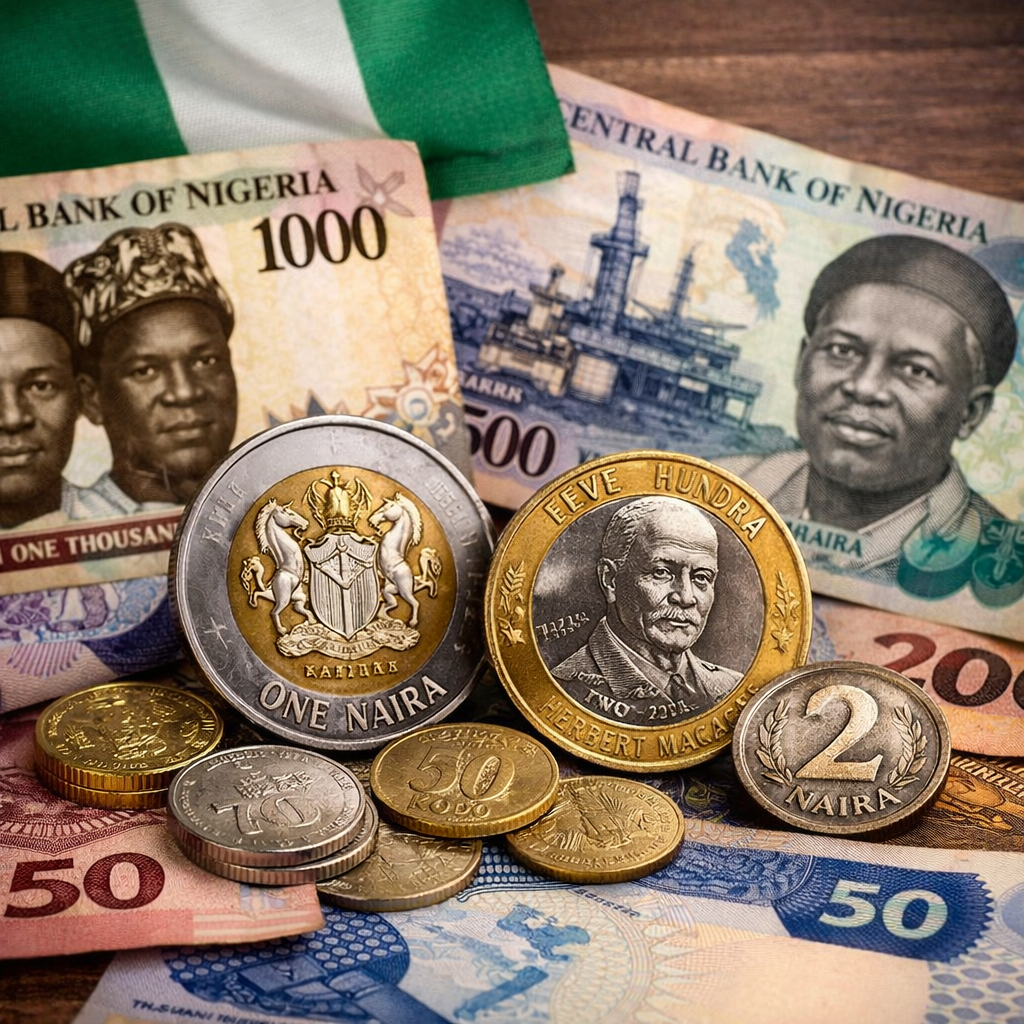
Did you know the nigerian naira is key to Africa’s biggest economy? Millions use it every day for everyday purchases. It’s a big system that handles billions of notes to keep trade flowing.
The nigerian naira started in 1973 to replace the old pound system. Now, a special ₦ sign marks all financial deals in Nigeria. It’s essential for sending money or planning a trip.
The system breaks down into 100 kobo per unit. There are different values of notes to help the market grow. Using these bills right ensures smooth trade and reliable payments for investors.
Knowing about these bills gives insight into the local economy. It helps with exchange rates and avoiding mistakes abroad. Understanding these funds is crucial for any successful venture.
Key Takeaways
- The nigerian naira replaced the pound as the official money in 1973.
- One unit contains 100 kobo for smaller daily transactions.
- The official ₦ sign identifies all local tender in the market.
- The main bank regulates all paper banknotes and coins.
- This money remains vital for West African trade and investment.
1. Overview of the Nigerian Naira System
The Naira is Nigeria’s official currency, showing the country’s economic strength. It was introduced in 1973, replacing the British Pound Sterling. This move was a big step in Nigeria’s economic journey.
What is the Naira
The Nigerian Naira is the legal money used in Nigeria. It’s issued by the Central Bank of Nigeria. It plays a key role in Nigeria’s financial system.
Official Currency Status in Nigeria
The Naira is the official money used everywhere in Nigeria. The Nigerian government supports it, making it widely accepted.
Currency Code and International Recognition
The Naira’s code is NGN, used for international trade. The symbol ₦ is used to show Naira in money deals.
2. Historical Evolution of Nigerian Currency
The Nigerian currency has seen big changes over time. These changes show how the country’s economy and politics have grown. From the start to now, the currency has evolved a lot.
Pre-Independence Currency Systems
Before the Naira, Nigeria used the British Pound Sterling. This was because of British rule. It changed Nigeria’s economy a lot.
After Nigeria became independent in 1960, it started to think about its own money. This was the first step towards having its own currency.
Introduction of the Naira in 1973
On January 1, 1973, Nigeria got its own currency, the Naira (₦). This was a big step towards economic freedom. The Naira made transactions easier and followed international standards.
The Naira’s start was a big moment in Nigeria’s economic history. It showed the country’s desire for control over its money. The Central Bank of Nigeria was key in making this happen.
Major Currency Reforms and Milestones
Since 1973, the Naira has seen many changes. One big change was the currency redesign by the Central Bank of Nigeria. It aimed to make the currency safer and fight fake money.
These changes have helped keep the Naira strong. They make sure it’s good for use in Nigeria and around the world. The Naira keeps changing because of Nigeria’s economy and the world’s.
3. Nigeria Currency: Understanding the Naira
Understanding the Naira is key to knowing Nigeria’s money scene. The Naira is Nigeria’s official money. It has special features that everyone should know.
The Nigerian Currency Symbol (₦)
The symbol for the Nigerian currency is ₦. It stands for Naira. This symbol is unique and plays a big role in money dealings.
Subdivision into Kobo
The Naira breaks down into 100 kobo. Even though kobo coins are rare today, they’re still important for the currency’s setup.
How the Local Currency Functions in Nigeria
In Nigeria, the Naira is the main way people trade. The Central Bank of Nigeria controls the money, keeping it stable and trustworthy.
| Currency Unit | Subdivision | Usage |
|---|---|---|
| Naira (₦) | 100 kobo | Primary medium of exchange |
| Kobo | Smallest unit | Less commonly used due to inflation |
4. Current Denominations of Nigerian Money
Knowing the different types of Nigerian money is key for both locals and tourists. The Naira (₦) is the Nigerian currency. It comes in various forms to help with different financial needs.
Banknote Denominations in Circulation
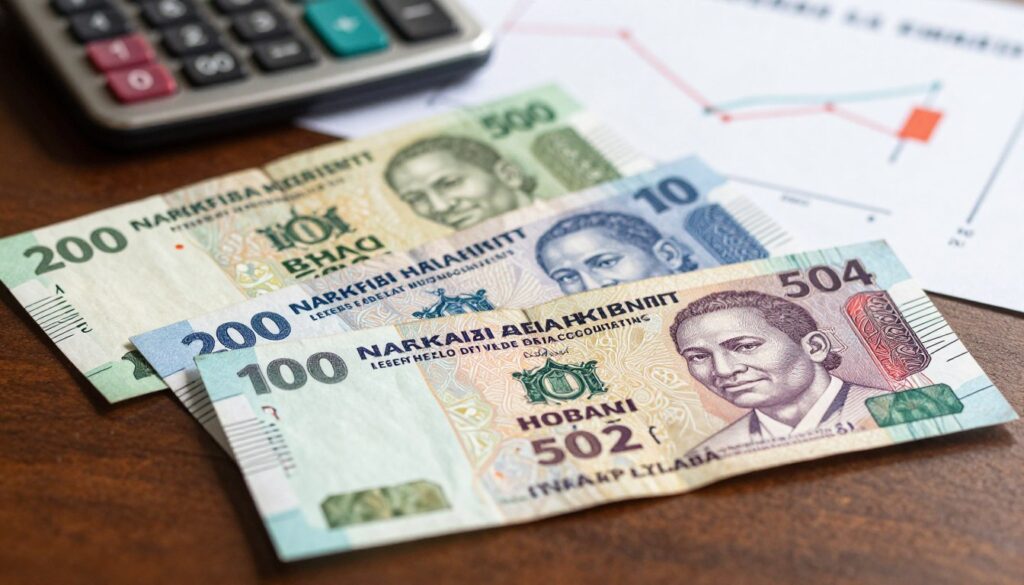
Nigeria has banknotes in many values, like ₦5, ₦10, ₦20, and more. These notes show important Nigerian people and have special security features to stop fake money.
The different values help with all kinds of money needs. For big deals, the ₦1000 banknote is used. But for small buys, the ₦5 and ₦10 banknotes are better.
Coin Denominations and Usage
Nigeria also has coins, like 50 kobo, ₦1, and ₦2. These coins are for small money needs and are a big part of Nigeria’s money system.
Even though coins are not used for big money, they are very important. They are used a lot in markets and for small things.
Security Features on Nigerian Banknotes
The Central Bank of Nigeria has added special features to its banknotes to stop fake money. These include watermarks, holograms, and special printing. These make the banknotes hard to fake.
These advanced security features keep the money safe and trust in the system strong. The Central Bank of Nigeria keeps updating these features to stay one step ahead of fake money makers.
5. The Central Bank of Nigeria and Currency Management
The Central Bank of Nigeria is key to Nigeria’s economic health. It manages the Naira, the country’s currency. This role is crucial for keeping the currency stable and strong.
Role in Currency Issuance
The Central Bank of Nigeria issues new currency. This affects the money in the economy. It helps control inflation and keeps the economy stable.
Key responsibilities in currency issuance include:
- Designing and printing new banknotes
- Minting coins
- Distributing currency to banks and other financial institutions
- Withdrawing damaged or worn-out currency from circulation
Monetary Policy and Exchange Rate Management
The CBN makes and carries out monetary policies. These policies help keep prices stable and boost the economy. They also affect the Naira’s value and exchange rates.
The bank uses various tools, such as:
- Setting interest rates to control inflation and stimulate economic activity
- Regulating the money supply through open market operations
- Maintaining foreign exchange reserves to support the Naira
Recent Currency Redesign Initiatives
The Central Bank of Nigeria has launched big currency redesign plans. These aim to make the Naira safer and reduce fake money. They are part of a plan to modernize the currency.
The redesign initiatives include:
- Introducing new security features on banknotes
- Enhancing the durability of currency
- Improving public awareness campaigns to educate Nigerians on the new features
These steps help the Central Bank of Nigeria keep the Naira stable. This supports the Nigerian economy’s health.
6. Nigerian Naira Exchange Rates Explained
Understanding the Naira’s exchange rate is key for those in international trade or traveling to Nigeria. The rate against major currencies, like the USD, changes due to oil prices, economic indicators, and monetary policies.
Naira to Dollar Exchange Rate Overview
The Naira to Dollar exchange rate is a vital economic indicator in Nigeria. It shows how much one Naira can buy in USD. This rate changes based on the economy.
Recent Trends: The Naira’s value against the USD has seen big changes. These changes are due to oil income, inflation, and foreign exchange reserves.
Official Exchange Rate vs Black Market Rate
Nigeria has two main exchange rates: the official and the black market rate. The Central Bank of Nigeria sets the official rate. The black market rate is based on supply and demand.
| Exchange Rate Type | Description | Typical Usage |
|---|---|---|
| Official Exchange Rate | Set by the Central Bank of Nigeria | Official transactions, banks |
| Black Market Rate | Determined by supply and demand in the unofficial market | Unofficial transactions, street traders |
Naira to USD Conversion Process
Converting Naira to USD means knowing the current exchange rate and any fees. Banks and foreign exchange bureaus can help, but rates differ.
Always check the latest exchange rates and fees before you make any transactions.
7. Factors Affecting the Current Value of the Naira
The Nigerian Naira’s value is shaped by many factors. Knowing these is key to understanding the nigerian currency exchange and Nigeria’s economy.
Impact of Oil Revenue
Oil revenue greatly affects the Naira’s value. Nigeria relies heavily on oil exports. So, when oil prices change, Nigeria’s foreign earnings do too.
High oil prices mean more demand for Naira, making it stronger. But, if oil prices drop, the Naira’s value falls.
Inflation and Purchasing Power
Inflation also plays a big role in the Naira’s value. High inflation reduces the currency’s buying power. This makes investors less interested, causing the Naira’s value to drop.
The nigeria money market keeps an eye on inflation to guess the Naira’s future.
Foreign Exchange Reserves Status
Nigeria’s foreign exchange reserves are crucial for the Naira’s strength. Enough reserves help protect against external shocks. The Central Bank of Nigeria’s skill in managing these reserves is key to keeping investor trust in the nigerian currency news.
Government Policies and Economic Challenges
Government policies, like monetary and fiscal actions, affect the Naira’s value. Challenges like corruption, infrastructure gaps, and security issues can scare off investors. This hurts the currency.
Keeping up with currency news nigeria helps grasp how these policies and challenges affect the Naira.
These factors make the Naira’s environment complex. Investors and traders watch them closely to make smart choices in the nigerian currency exchange market.
| Factor | Impact on Naira | Current Trend |
|---|---|---|
| Oil Revenue | High oil prices strengthen Naira | Fluctuating |
| Inflation Rate | High inflation weakens Naira | Increasing |
| Foreign Exchange Reserves | Adequate reserves stabilize Naira | Stable |
| Government Policies | Effective policies boost Naira | Mixed |
8. Nigeria Forex Market and Money Conversion
Understanding Nigeria’s forex market is key for everyone. The Central Bank’s rules and global trends shape it. It’s a complex area that needs careful handling.
Structure of the Nigerian Foreign Exchange Market
The Central Bank of Nigeria (CBN) manages the foreign exchange market. It aims to keep the naira stable and ensure smooth foreign exchange flow.
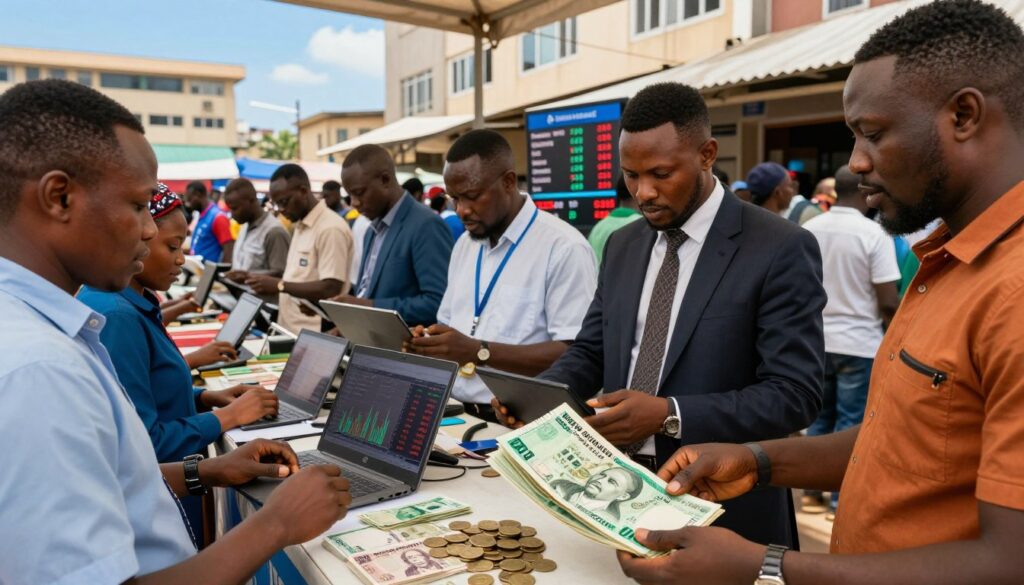
The market has different parts, like the official market, the Investors and Exporters (I&E) window, and Bureau de Change (BDC) operators. Each part meets different needs, from business deals to trading.
Currency Conversion in Nigeria for Individuals
People in Nigeria can exchange currencies in several ways. This includes banks, BDCs, and online tools. You need to show ID and the currency you want to exchange.
Currency conversion rates differ a lot between these options. The black market often has different rates than official places. Knowing this helps make better choices.
Nigerian Banking and Currency Exchange Services
Nigerian banks are crucial in the foreign exchange market. They offer services like foreign currency accounts and international money transfers.
Banks must follow CBN rules for foreign exchange. This ensures transactions are safe and clear.
Accessing Foreign Currency in Nigeria
Getting foreign currency in Nigeria can be hard because of the naira’s ups and downs and rules. People and businesses usually use official channels like banks and the I&E window.
The CBN has made it easier to get foreign exchange. It has relaxed rules for some sectors and introduced new policies.
9. Recent Nigerian Currency News and Developments
The Nigerian currency has seen big changes lately. The Central Bank of Nigeria has led these efforts. They aim to make the currency system better, safer, and more efficient.
2023 Naira Redesign and Implementation Challenges
In 2022, the Central Bank of Nigeria started a big project. They redesigned the Naira banknotes to fight counterfeiting and add more security. The new banknotes have new features and designs.
But, there were many challenges in making this happen. They needed to tell everyone about the change and deal with getting the new banknotes out. Still, the Central Bank was determined to make it work.
Introduction of the eNaira Digital Currency
Nigeria has also introduced the eNaira, a digital version of the Naira. It’s meant to be a safe, easy, and convenient way to pay. It also aims to help more people use financial services.
Key Features of the eNaira:
- Digital wallet for storing and transferring eNaira
- Instant payment capabilities
- Enhanced security through blockchain technology
- Accessibility through mobile devices
Exchange Rate Policy Reforms
The Central Bank of Nigeria has also made changes to the exchange rate policy. These changes aim to make the Naira more stable and the foreign exchange market more efficient.
They’ve taken steps to close the gap between the official and black market exchange rates. This is to have a more unified exchange rate system.
Current Economic Impact and Public Response
The eNaira and the Naira redesign have greatly affected the economy. People have different opinions about these changes. Some are excited, while others are worried about the challenges.
| Development | Impact | Public Response |
|---|---|---|
| Naira Redesign | Enhanced security features | Mixed, with some concerns about distribution |
| Introduction of eNaira | Promotes financial inclusion and efficiency | Generally positive, with some technical issues |
| Exchange Rate Reforms | Aims to stabilize the Naira | Varied, with some expecting positive outcomes |
The Central Bank of Nigeria is keeping an eye on things. They’re working to solve problems and make sure the new changes are good for everyone.
10. Conclusion
The Nigerian Naira is key to Nigeria’s economy. Knowing its history, types, and what affects its value is important. This is true for anyone dealing with Nigeria’s economy.
The Central Bank of Nigeria is very important. It manages the Nigeria currency. It makes policies that help keep the currency stable and affect exchange rates.
It’s important to understand the Nigerian Naira. This includes knowing its exchange rates and what affects its value. This knowledge helps you navigate Nigeria’s financial world.
As Nigeria’s economy grows, keeping up with currency news is vital. Knowing what the Central Bank of Nigeria does is important. This helps you make smart financial choices.
FAQ
What is the nigeria official currency and its international recognition?
The Nigerian Naira is Nigeria’s official currency, known internationally as NGN. The Central Bank of Nigeria manages it. It’s the main way people in Nigeria buy and sell things, showing Nigeria’s economic strength.
When was the nigerian naira introduced and what did it replace?
The Naira started on January 1, 1973. It replaced the British Pound Sterling. This change showed Nigeria’s move towards economic freedom.
What is the nigerian currency symbol and how is the money subdivided?
The symbol for the Nigerian currency is ₦. It’s divided into 100 kobo. Even though kobo coins are rare, they are still part of Nigeria’s money system.
What are the current denominations of nigerian money in circulation?
The Central Bank of Nigeria has banknotes in ₦5, ₦10, ₦20, ₦50, ₦100, ₦200, ₦500, and ₦1,000. Each note has special security features and pictures of important Nigerians. Coins are in 50 kobo, ₦1, and ₦2, but are not often used today.
How can I find the most accurate nigerian currency exchange rate?
To get the latest exchange rate, check the Central Bank of Nigeria’s website or trusted banks. The rate between the Naira and the Dollar is especially important for travelers and investors. They use a currency converter to make sure they get the right amount of money.
Why is there a difference between the official exchange rate and the black market rate?
The rates in Nigeria can change between the official rate and the black market rate. This change is often because of how much foreign exchange is available. It also depends on the demand for the Naira, especially against the US Dollar.
How does oil revenue affect the naira exchange rate?
Nigeria’s economy is closely tied to oil prices. When oil prices are high, Nigeria’s money reserves grow. This helps the Naira. But when oil prices drop, the Naira weakens, leading to higher prices for goods and services.
What is the process for currency conversion in nigeria for international travelers?
Travelers can exchange money at Nigerian banks or licensed Bureau De Change (BDC) operators. It’s important to use authorized places to keep money safe and get the best rate.
What was the purpose of the 2023 naira redesign initiated by the Central Bank of Nigeria?
The Central Bank of Nigeria redesigned the ₦200, ₦500, and ₦1,000 notes in 2023. The goal was to fight fake money, reduce cash outside banks, and encourage using less cash. This change was a big deal in Nigeria, affecting money and spending habits.
What is the eNaira and how does it function within the nigerian currency system?
The eNaira is Nigeria’s digital currency, launched by the Central Bank of Nigeria. It’s like cash but digital, stored in digital wallets. It aims to make money easier to use, improve access to finance, and speed up trade across borders.

Adam G
This post was created by Adam G, a seasoned financial writer with a passion for explaining currency exchange and market movements
 English
 简体中文
简体中文 Español
 Deutsch
 Français
 العربية
 Polski