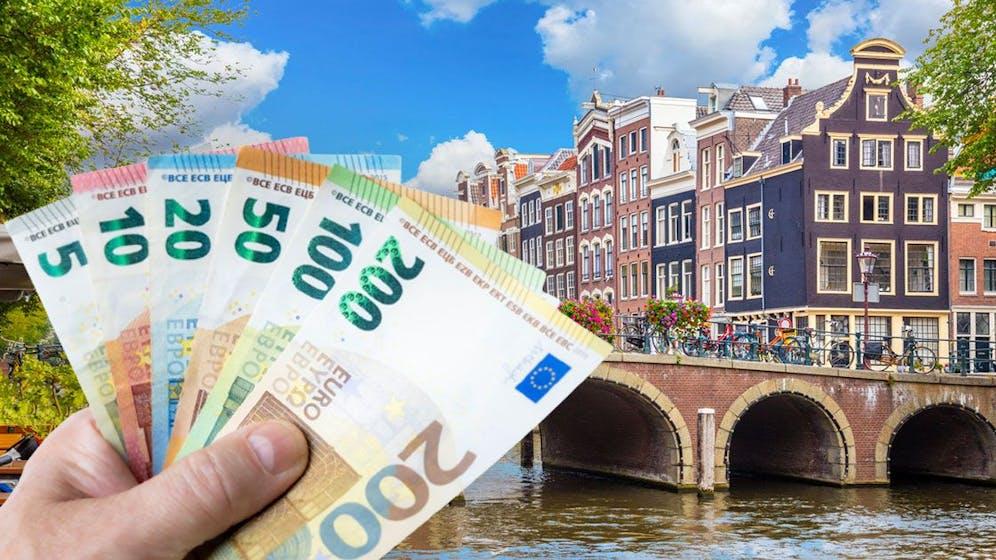
هل تعلم أن الهولنديين تحولوا من الغيلدر إلى اليورو منذ أكثر من 20 عامًا؟ سهّل هذا التغيير السفر عبر أوروبا. ومع ذلك، لا يزال العديد من الزوار يشعرون بعدم الارتياح تجاه عادات التعاملات النقدية المحلية. ما هي عملة هولندا؟ يتيح لك التسوق وتناول الطعام بثقة.
بالنسبة للأمريكيين المسافرين، فهم عملة هولندا يُعدّ فهم كيفية استخدام النقد والبطاقات أمرًا أساسيًا لرحلة سلسة. فرغم شيوع المدفوعات الرقمية، إلا أن معرفة كيفية عمل النقد والبطاقات تُجنّبك التوتر. سيُزيل هذا الدليل أي لبس مالي، لتستمتع بالمناظر الطبيعية والتاريخ الهولندي.
أهم النقاط
- العملة القانونية الرسمية المستخدمة في جميع أنحاء البلاد هي اليورو.
- تُقبل مدفوعات البطاقات اللاتلامسية على نطاق واسع لدى جميع التجار تقريباً.
- لا يزال حمل مبلغ صغير من النقود مفيداً للمشتريات البسيطة.
- رئيسي بطاقات الائتمان مثل فيزا وماستركارد العمل في معظم المناطق الحضرية.
- قم دائمًا بإبلاغ البنك الذي تتعامل معه بمواعيد السفر لتجنب حظر البطاقة.
فهم ماهية العملة الهولندية اليوم
يبدأ استكشاف الشؤون المالية لهولندا بمعرفة العملة الرسمية. يتساءل الكثيرون ما هي العملة الهولندية؟ قبل رحلتهم الأوروبية. العملة المستخدمة في هولندا اليورو هو العملة المستخدمة في جميع المعاملات.
قد يرى الزوار أنظمة نقدية قديمة، لكن العملة الهولندية تستخدم الآن اليورو. هذا يجعل السفر والتسوق أسهل بالنسبة لسكان الولايات المتحدة.
اعتماد اليورو في هولندا
ال كان إدخال اليورو تغييراً كبيراً بالنسبة لاقتصاد المنطقة. ففي السابق، كانت هولندا تمتلك عملتها الخاصة. لكن التحول إلى اليورو كان يهدف إلى تحقيق الاستقرار والنمو. أما الآن، اسم العملة الهولندية هو ببساطة اليورو، ويُشار إليه برمز €.
كان التغيير شاملاً، مما جعل العملة في هولندا مثل غيرها من الدول الأوروبية الكبرى. وهذا له فوائد عديدة للزوار:
- سفر سلس: يمكنك استخدام نفس الشيء الأموال في أماكن مثل بلجيكا وألمانيا.
- الاستقرار الاقتصادي: اليورو مدعوم من قبل البنك المركزي الأوروبي، مما يحافظ على استقرار قيمته.
- المحاسبة المبسطة: يتم عرض الأسعار بوحدة واحدة سهلة الفهم.
تمييز اليورو عن العملة الهولندية السابقة
غالباً ما يقارن الوافدون الجدد بين اليورو مقابل عملة هولندا تاريخياً، تم استبدال العملة القديمة، الغيلدر، في أوائل العقد الأول من القرن الحادي والعشرين. ورغم أن الغيلدر لا يزال رمزاً ثقافياً، إلا أنه لم يعد يُستخدم في المتاجر أو البنوك.
بالنظر إلى رمز العملة الهولندية, سترى علامة اليورو (€). بمعرفة العملة في هولندا يساعد استخدام اليورو على تجنب الارتباك. وبهذه الطريقة، يمكنك إدارة أموالك بثقة أثناء رحلتك.
الإرث التاريخي للغيلدر الهولندي
قبل اليورو، غيلدر هولندي كان ذلك مفتاحًا لاقتصاد التجارة في البلاد. لم يكن الأمر مجرد مال، بل كان دليلًا على قوة البلاد ودورها العالمي. معرفة ذلك العملة الهولندية إن فهم الماضي يساعدنا على فهم كيفية عمل الدولة اليوم.
الانتقال من العملة الذهبية إلى اليورو
الانتقال من غيلدر مقابل يورو كان ذلك تغييراً كبيراً. في الأول من يناير عام 2002، تحولت هولندا إلى اليورو. واضطر الناس إلى استبدال عملاتهم القديمة في البنوك.
كان من المفترض أن يكون هذا التغيير سلسًا، لكنه كان تغييرًا كبيرًا بالنسبة للكثيرين. تم تحديد سعر الصرف، لكن التكيف مع العملة الجديدة استغرق وقتًا. إليكم مقارنة بين العملتين.
| ميزة | غيلدر هولندي | اليورو |
|---|---|---|
| العصر الأولي | القرن السابع عشر - 2002 | 2002 – حتى الآن |
| رمز | ƒ أو fl | € |
| نِطَاق | وطني | دولي (منطقة اليورو) |
| تحويل | قاعدة تاريخية | القيمة المعيارية |
لماذا لا يزال الغيلدر رمزًا ثقافيًا
على الرغم من أنها لم تعد مستخدمة، غيلدر هولندا لا يزال يحظى بمحبة الكثيرين. فهو يذكرهم بزمن كانت فيه الدولة تسيطر على عملتها. ولا يزال الكثيرون يفكرون فيه اليورو مقابل الغيلدر عند شراء الأشياء.
“"لم يكن الغيلدر مجرد نقود؛ بل كان جزءًا من تاريخنا الذي سافر حول العالم في جيوب تجارنا ومستكشفينا."”
هذا الارتباط هو ما يجعل العملات المعدنية والأوراق النقدية القديمة كنزاً ثميناً، فهي تربط الهولنديين بماضيهم ومستقبلهم. ويساعد هذا الفخر الزوار على فهم المسيرة المالية للهولنديين.
التنقل في النظام المالي الهولندي
ال النظام المالي في هولندا سهل الاستخدام وفعّال للغاية. يدعم كل شيء بدءًا من شراء القهوة وصولًا إلى عمليات الشراء الكبيرة. معرفة كيفية عمله تُساعد الزوار على الشعور بمزيد من الثقة في البلد.
دور البنك المركزي الهولندي
ال البنك المركزي الهولندي, يُحافظ البنك المركزي الهولندي على استقرار الاقتصاد، إذ يُراقب العملة ويضمن التزام البنوك بالقواعد، مما يجعل البلاد آمنة للجميع.
يحافظ البنك على استقرار الأسعار، مما يجعل الاقتصاد قابلاً للتنبؤ. كما أنه يتولى توزيع الأموال في جميع أنحاء البلاد. إدارة دقيقة هذا يعني أن أموالك موثوقة ومقبولة في كل مكان.
البنية التحتية المصرفية الحديثة والمدفوعات الرقمية
يفضل الهولنديون إدارة الأموال الرقمية. معظم المعاملات تتم الآن عبر الإنترنت. الدفع بدون تلامس, مقبولة في كل مكان. وقد أدى ذلك إلى تقليل عدد فروع البنوك، حيث أصبحت الخدمات الآن متاحة عبر الإنترنت.
تُعد المحافظ الإلكترونية وبطاقات الخصم الخيار الأمثل للدفع. ورغم أن النقد لا يزال مقبولاً، إلا أن العديد من الأماكن أصبحت الآن الدفع الإلكتروني لإجراء معاملات أسرع وأكثر أمانًا. هذا النظام الحديث النظام المالي في هولندا يجعل رحلتك سلسة، طالما لديك بطاقة أو وسيلة دفع عبر الهاتف المحمول.
دليل عملي للعملات والفئات النقدية في هولندا
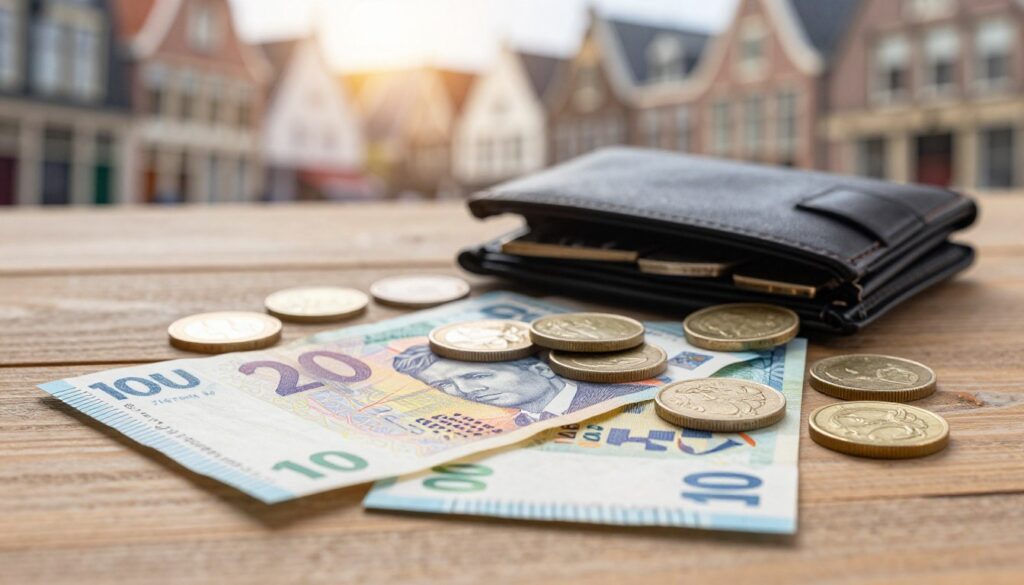
معرفة عملة هولندا تُسهّل الفئات النقدية المختلفة السفر. اليورو هو العملة الرئيسية الوحدة النقدية الهولندية. تُستخدم هذه العملة في جميع المعاملات في البلاد. معرفة الأوراق النقدية والعملات المعدنية تُسهّل عملية الدفع.
تفاصيل الأوراق النقدية الهولندية
ال الأوراق النقدية الهولندية تتبع العملة تصميمًا قياسيًا لمنطقة اليورو. توجد سبع فئات نقدية، من 5 إلى 500 يورو. ستجد في الغالب فئات 5 و10 و20 و50 يورو.
تتميز كل ورقة نقدية بألوان وتصاميم فريدة تعكس فترات تاريخية أوروبية مختلفة. ورغم وجود فئات 200 و500 يورو، إلا أنها نادرة في التسوق اليومي. حكيم دائمًا لحمل أشياء أصغر الأوراق النقدية الهولندية للمشتريات الصغيرة.
فهم العملات المعدنية الهولندية وقيمها
ال العملات المعدنية الهولندية تتكون من ثماني فئات. وتشمل هذه العملات المعدنية من 1 إلى 50 سنتًا، و1 و2 يورو. عملة هولندية يضم فريقاً أوروبياً وفريقاً وطنياً.
شيء مميز بشأن العملات الهولندية يكمن السبب في عدم توفر العملات المعدنية من فئة سنت واحد وسنتين. تقوم المتاجر بتقريب الأسعار إلى أقرب خمسة سنتات، مما يُسهّل عملية الدفع ويُغني عن الحاجة إلى الفكة.
| فئة | يكتب | الاستخدام الشائع |
|---|---|---|
| 5، 10، 20، 50 يورو | ورقة نقدية | التسوق وتناول الطعام يومياً |
| 1، 2 يورو | عملة | آلات البيع والإكراميات الصغيرة |
| 5، 10، 20، 50 سنتًا | عملة | الفكة الصغيرة والتقريب |
إدارة أسعار الصرف وتحويل العملات
يمكن أن يكون السفر في هولندا اقتصاديًا إذا كنت تعرف كيفية التعامل مع تحويل العملات. فهم سعر الصرف في هولندا يساعدك هذا على توفير المال. وبهذه الطريقة يمكنك الاستمتاع برحلتك أكثر دون قلق مالي.
كيفية حساب تحويلات العملة من اليورو إلى العملة الهولندية
التحويل اليورو مقابل العملة الهولندية الأمر سهل باستخدام الأدوات المتاحة عبر الإنترنت. جيد محول العملات الهولندي يعرض لك القيمة الحالية. ابحث عن سعر السوق المتوسط، فهو سعر عادل.
لا تستخدم أسعار من أكشاك المطار أو مكاتب الفنادق. غالبًا ما تتضمن رسومًا خفية. استخدم خدمة موثوقة. محول العملات الهولندي تطبيق للتحقق من سعر الصرف قبل إجراء عملية التبادل.
نصائح للعثور على أفضل سعر صرف في هولندا
للحصول على جيد سعر صرف العملة الهولندية, خطط مسبقاً. استخدام أجهزة الصراف الآلي المحلية عادةً ما يوفر أسعار صرف أفضل من مكاتب الصرافة. اختر دائماً الأجهزة المحلية. عملة استخدم أجهزة الصراف الآلي لتجنب أسعار الصرف السيئة.
استخدم بطاقة خصم بدون رسوم معاملات دولية للحصول على أفضل الأسعار. شاهد سعر صرف العملات في هولندا اطّلع على أحدث المعلومات قبل رحلتك. سيساعدك هذا على معرفة الوقت المناسب للحصول على النقود. اتبع هذه النصائح لإدارة أموالك بشكل جيد والاستمتاع بزيارتك لهولندا.
استخدام النقد مقابل البطاقات في هولندا
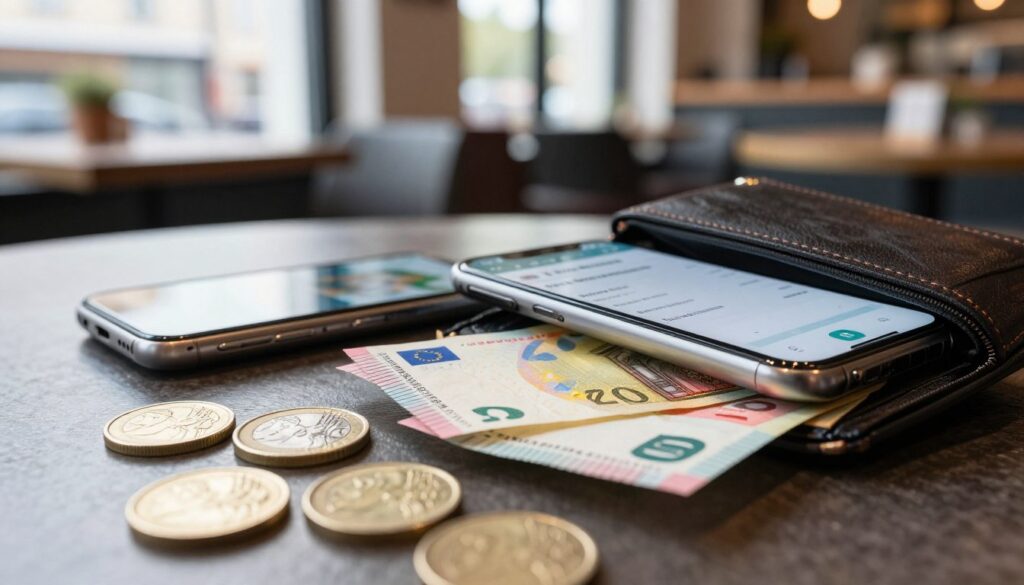
فهم المال في هولندا يُعدّ هذا الأمر أساسياً. فالنظام المالي في البلاد حديث وفعّال، ويستخدم الناس في الغالب المدفوعات الرقمية بدلاً من النقد.
حيث لا يزال النقد هو الملك
حتى مع وجود المدفوعات الرقمية، لا يزال النقد مفيداً للمسافرين. قد تحتاج إلى النقد في بعض المواقف. هذه المواقف أصبحت أقل شيوعاً، لكنها لا تزال تحدث.
احتفظ ببعض اليورو لهذه الحالات:
- أكشاك صغيرة مستقلة أو باعة متجولون في المناطق الريفية.
- بعض دورات المياه العامة تتطلب دفع رسوم رمزية للدخول.
- الأسواق الشعبية المحلية أو الفعاليات المجتمعية التي لا تتوفر فيها أجهزة الدفع الإلكتروني.
- إكراميات صغيرة في المؤسسات التي لم يتم فيها دمج نظام الإكراميات الرقمية بعد.
انتشار المدفوعات غير التلامسية
يركز الاقتصاد الهولندي على السرعة والأمان. وتستخدم معظم الأماكن الدفع الإلكتروني. عند إنفاقك المال في هولندا, ستلاحظ أن نظام "الرقم السري" شائع.
لا تقبل العديد من المتاجر بطاقات فيزا أو ماستركارد، بل تفضل بطاقات مايسترو أو في-باي للدفع المباشر. تأكد من عمل بطاقتك قبل الذهاب. وإذا لم تعمل، فالدفع عبر الهاتف المحمول خيار جيد في المدن الكبرى.
نصائح أساسية للمسافرين الأمريكيين حول إدارة الأموال
التخطيط المالي الجيد يُضفي مزيداً من المتعة على رحلتك إلى هولندا. فمعرفة كيفية سير الأمور محلياً تُساعد في الحفاظ على أموالك آمنة وخالية من التوتر.
تجنب مخاطر صرف العملات الشائعة
يرتكب العديد من السياح خطأ استخدام أكشاك المطار لـ صرف العملات الأجنبية في هولندا. تفرض هذه الأماكن رسوماً مرتفعة وتقدم أسعار صرف سيئة مقارنة بالبنوك.
من الأفضل عدم حمل مبالغ نقدية كبيرة. تذكر أن إدخال أكثر من 10,000 يورو إلى الاتحاد الأوروبي يتطلب تصريحًا جمركيًا.
“"الاستثمار في المعرفة يحقق أفضل النتائج."”
استخدام أجهزة الصراف الآلي والخدمات المصرفية في الخارج
قبل سفرك، أبلغ مصرفك بخطط سفرك. هذا يمنع تجميد حسابك. استخدام أجهزة الصراف الآلي التابعة للمصرف هو الطريقة الأكثر أمانًا للتعامل مع هذه الأمور. صرف العملات الأجنبية في هولندا في الخارج.
اختر دائمًا الدفع باليورو إذا كان جهاز الصراف الآلي يسمح بذلك. هذا يتجنب متحرك رسوم تحويل العملات وهذا قد يجعل عمليات السحب أكثر تكلفة.
وأخيرًا، احتفظ ببطاقة ائتمان أو خصم احتياطية في مكان آمن. بهذه الطريقة، يمكنك الوصول إلى أموالك في حال فقدان أو سرقة بطاقتك الأساسية.
مقارنة اتجاهات سعر صرف اليورو مقابل العملة الهولندية
بالنظر إلى اليورو مقابل عملة هولندا من خلال تحليل الاتجاهات، نرى قصة وحدة ونمو. لقد غيّر اليورو طريقة تعامل هولندا مع جيرانها والعالم.
الأثر الاقتصادي لليورو على الأسواق الهولندية
الانتقال إلى يورو هولندا لقد سهّل ذلك التجارة للشركات المحلية، وخفّض التكاليف، وجعل الأسعار أكثر وضوحاً.
يُسهم هذا الهدوء في جذب المزيد من الاستثمارات الأجنبية، كما يُسهّل على الأجانب التعامل مع الأموال. التكامل الاقتصادي يحافظ على قوة السوق الهولندية وقدرتها التنافسية.
التقلبات والاستقرار في منطقة اليورو
تحمي منطقة اليورو هولندا من تقلبات العملة الكبيرة. فالانضمام إليها يعني أن البلاد تتمتع بنظام نقدي مستقر، وهذا أمر جيد للمستثمرين.
يلاحظ المسافرون أن الأسعار لا تتغير كثيراً، مما يدل على استقرار اليورو. وهذا ما يجعل اليورو مقابل عملة هولندا المقارنة أفضل للإقامات الطويلة أو الزيارات المتعددة.
| ميزة | دليل تاريخي | أوروبا الحديثة |
|---|---|---|
| نطاق السوق | على الصعيد الوطني فقط | دولي (منطقة اليورو) |
| استقرار | تخضع للتغييرات المحلية | استقرار إقليمي مرتفع |
| سهولة المعاملات | يقتصر على هولندا | مقبول على نطاق واسع في الخارج |
| الدور الاقتصادي | التراث الرمزي | عملة الاحتياطي العالمي |
الفروق الثقافية الدقيقة للمال في هولندا
تخضع الأمور المالية في هولندا لقواعد وعادات اجتماعية فريدة. معرفة ذلك رمز العملة الهولندية هذه مجرد البداية. من المهم أيضاً فهم آلية التعاملات المالية لضمان رحلة سلسة. فالطريقة الهولندية في التعامل مع المال بسيطة وفعّالة وعملية.
آداب الإكرامية والتوقعات المالية
في الولايات المتحدة، يُعتبر البقشيش واجباً، أما في هولندا فالأمر أكثر مرونة. لا يُشترط ترك مبلغ كبير من الفاتورة كبقشيش. الخدمة عادة ما تكون مشمولة في الأسعار التي تراها.
مع ذلك، من الشائع تقريب الفاتورة أو ترك مبلغ بسيط إذا كنت راضيًا عن الخدمة. يُعتبر البقشيش من 5 إلى 10 بالمئة سخيًا في المطاعم. لن ترى غالبًا رمز العملة الهولندية. يتم وضع الإكراميات على إيصالات بطاقات الائتمان، حيث يفضل المجتمع نهجاً غير رسمي تجاه الإكراميات.
التعامل مع الفكة الصغيرة وممارسات التقريب
تشتهر تجارة التجزئة الهولندية بتقريب المبالغ النقدية. فعند الدفع بالعملات المعدنية أو الأوراق النقدية، يُقرّب المبلغ إلى أقرب خمسة سنتات. يُطلق على هذا النظام اسم أفروندن, ، مما يجعل التعامل مع العملات المعدنية الصغيرة أسهل.
إذا انتهى مجموع المبلغ بواحد أو اثنين أو ستة أو سبعة سنتات، فسيتم تقريبه إلى الأدنى. أما إذا انتهى بثلاثة أو أربعة أو ثمانية أو تسعة، فسيتم تقريبه إلى الأعلى. تذكر أن هذا ينطبق فقط على المدفوعات النقدية، لأن المدفوعات الإلكترونية تستخدم القيمة الدقيقة. رمز العملة الهولندية. بدقة متناهية. معرفة هذه العادات ستجعل التسوق في المتاجر المحلية أسهل.
| ميزة | الولايات المتحدة | هولندا |
|---|---|---|
| قواعد الإكرامية | إلزامي (15-20%) | اختياري (تقريب/طرف صغير) |
| تقريب المبالغ النقدية | غير قابل للتطبيق | قياسي (لأقرب 5 سنتات) |
| رسوم الخدمة | عادة ما تضاف بشكل منفصل | السعر يشمل |
خاتمة
استكشاف هولندا أصبح أسهل مع التخطيط الجيد. بإمكان المسافرين الأمريكيين الآن إدارة أموالهم بكفاءة، والاستمتاع بالمدن التاريخية والمعالم العصرية.
سهّل التحوّل إلى اليورو الأمور على الزوار. فالدفع الرقمي مثل iDEAL والبطاقات اللاتلامسية يجعلان المعاملات سريعة وآمنة. معرفة هذه الأدوات تُساعدك على الاستمتاع بالثقافة بشكل أكبر.
إن فهم العادات المحلية المتعلقة بالإكراميات والفكة يُسهّل الأمور. سيجد المسافرون أن وقتهم في أمستردام أو روتردام أو أوتريخت أكثر إثراءً. هذا الدليل يُساعدك على جعل رحلتك خالية من التوتر.
تذكر هذه النصائح لرحلتك الأوروبية القادمة. التخطيط الجيد يحوّل إجازة بسيطة إلى مغامرة هولندية لا تُنسى. سافر عبر هذا البلد النابض بالحياة بثقة تامة في كل خطوة.
التعليمات
ما هو الاسم الرسمي لعملة هولندا وما هو رمزها النقدي؟
تستخدم هولندا اليورو (€) كعملة رسمية لها. وقد حلّت محل غيلدر هولندي في عام 2002. سترى رمز اليورو (€) على الأسعار في المتاجر والمطاعم والفنادق.
سيظهر رمز اليورو (€) قبل الأرقام في إيصالاتك.
كيف يمكنني العثور على أدق سعر صرف في هولندا؟
استخدم أدوات موثوقة مثل XE أو OANDA لمعرفة سعر الصرف الحالي. تُظهر هذه الأدوات سعر السوق المتوسط. وللحصول على سعر صرف عادل، تجنب أكشاك الصرف في مطار سخيبول.
بدلاً من ذلك، استخدم أجهزة الصراف الآلي التابعة للبنوك الكبيرة مثل بنك ING أو بنك ABN AMRO.
ما الذي حدث خلال عملية التحول من الغيلدر إلى اليورو في النظام النقدي الهولندي؟
انتقلت هولندا إلى اليورو في عام 2002. وتم تثبيت سعر الصرف عند 2.20371. وعلى الرغم من أن الغيلدر لم يعد مستخدماً، إلا أنه لا يزال رمزاً للتراث الهولندي.
الآن، تتم جميع المعاملات باليورو، وتتم إدارتها بواسطة البنك المركزي الهولندي.
ما هي العملات الورقية الهولندية والعملات المعدنية الهولندية التي سأستخدمها خلال رحلتي؟
ستستخدم أوراقاً نقدية من فئات 5 و10 و20 و50 و100 و200 و500 يورو. لكن بعض المتاجر الصغيرة لا تقبل إلا الأوراق النقدية التي تصل قيمتها إلى 50 يورو.
تشمل العملات المعدنية فئات 1 و2 و5 و10 و20 و50 سنتًا، بالإضافة إلى عملات اليورو من فئتي 1 و2 يورو. وعادةً ما يتم تقريب الأسعار إلى أقرب خمسة سنتات.
هل النظام المالي الهولندي ودود تجاه بطاقات الائتمان الأمريكية؟
نعم، تدعم هولندا البطاقات الدولية الرئيسية مثل فيزا وماستركارد. ومع ذلك، أصبحت المعاملات اللاتلامسية التي تتطلب استخدام الرقم السري أكثر شيوعًا.
في مدن مثل أمستردام وروتردام، تقبل العديد من الأماكن معاملات الدفع الإلكتروني فقط، وليس النقد.
ما هي أفضل طريقة للتعامل مع العملة الهولندية فيما يتعلق بالبقشيش والمشتريات الصغيرة؟
لا يُعدّ البقشيش شائعاً كما هو الحال في الولايات المتحدة، لكن تقريب المبلغ إلى أقرب عدد صحيح يُعتبر من الأدب. يُنصح بحمل عملات معدنية أو أوراق نقدية صغيرة للمشتريات الصغيرة.
تذكر أن سعر الصرف يتغير، لذا فإن تطبيق تحويل العملات مفيد.
كيف يؤثر البنك المركزي الهولندي على الاقتصاد المحلي؟
يضمن البنك المركزي الهولندي استقرار النظام المالي، ويعمل مع البنك المركزي الأوروبي لإدارة المعروض من اليورو.
تساهم هذه الرقابة في الحفاظ على استقرار العملة لكل من المسافرين والشركات المحلية.

آدم جي
كتب هذا المقال آدم جي، وهو كاتب مالي مخضرم شغوف بشرح أسعار صرف العملات وحركات السوق.
 English
 简体中文
简体中文 Español
 Deutsch
 Français
 العربية
 Polski