在当今动荡的全球经济中,汇率波动会对您的财富和财务稳定产生重大影响。无论您是个人投资者还是从事国际交易的企业主,拥有稳健安全的货币策略已不再是可选项,而是必不可少。汇率的意外波动会迅速侵蚀利润、增加成本,并造成预算不确定性,从而影响长期财务规划。.
本指南探讨了保护资产免受货币波动影响的行之有效的方法。我们将研究实用的对冲技巧、多元化投资策略以及实施步骤,个人和企业均可运用这些技巧和策略,从而自信地应对充满不确定性的市场。阅读完本指南后,您将获得一份清晰的路线图,帮助您保护财富免受全球货币市场不可预测性的影响。.
了解当今全球经济中的货币风险
货币风险是指汇率波动可能导致的财务损失。在当今互联互通日益加深的世界中,这种风险影响的人群比以往任何时候都多——从跨国公司到拥有多元化投资组合的个人投资者,无一幸免。了解这种风险的本质是实施有效安全货币策略的第一步。.
关键见解: 汇率波动主要通过三种方式影响您的财富:直接影响货币持有量,间接影响对外国市场的投资,以及通过跨境商业交易进行运营。.
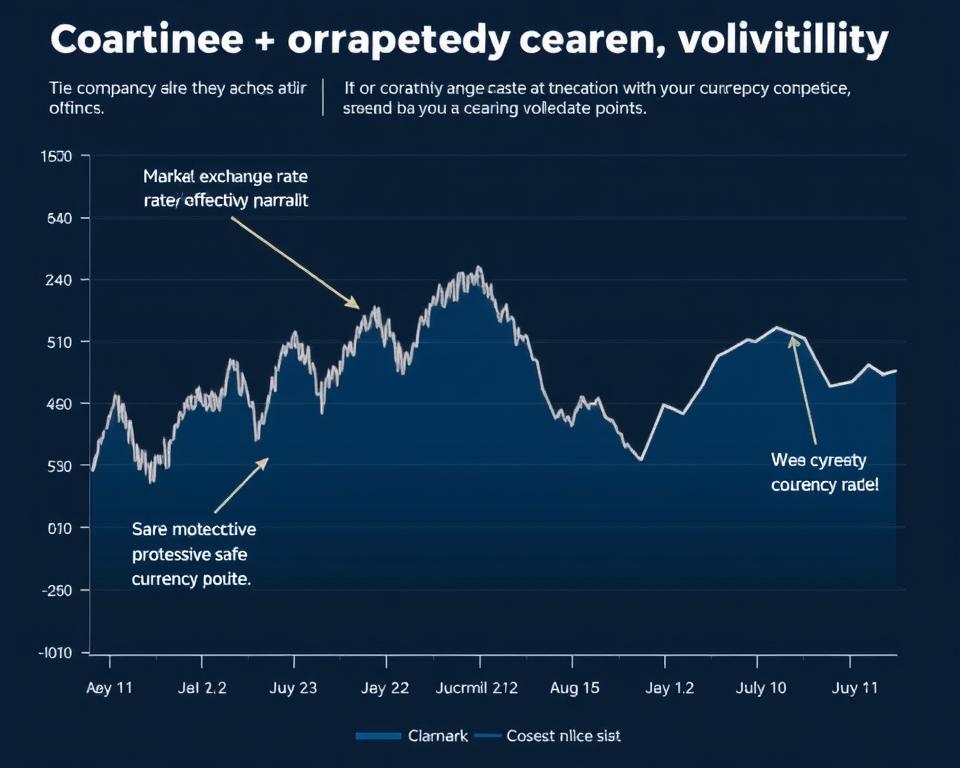
近期全球事件表明,货币市场变化之快令人咋舌。政治动态、经济数据发布、央行决策,甚至社交媒体上的言论,都可能在几分钟内引发汇率的剧烈波动。这种快速变化使得被动应对往往失效,因此主动出击显得尤为重要。 货币风险管理 基本的。.
策略一:远期合约——锁定汇率

远期合约是目前最直接有效的安全货币策略之一。这些金融工具允许您锁定当前汇率,用于在未来特定日期进行的交易。这种方法通过提供不受市场波动影响的保证汇率,消除了不确定性。.
远期合约如何运作
签订远期合约时,您与金融机构约定在未来某个日期以预先确定的汇率兑换特定金额的货币。这能为您的财务规划带来确定性,并抵御不利的汇率波动。例如,如果您知道三个月后需要将 100,000 美元兑换成欧元,远期合约可以让您锁定当前的汇率,即使在此期间美元兑欧元贬值。.
“远期合约就像是抵御汇率波动的保险单。它们在不确定的市场中提供确定性,使企业和投资者能够专注于核心业务,而无需担心汇率波动。”
远期合约的理想场景
- 当您为国际交易设定固定付款日期时
- 在预期货币波动期间
- 当你 商业 该公司的利润率很低,汇率波动可能会抹去其利润。
- 对于需要确保确定性的大额一次性交易而言,这一点至关重要。
策略二:货币多元化——分散风险

分散投资是稳健货币策略的基石。正如您不会将所有投资资金投入单一股票一样,将所有流动资产都以单一货币持有也会使您面临不必要的风险。货币分散投资是指将您的资产策略性地配置到多种货币中,以降低整体波动性和风险敞口。.
构建均衡的货币组合
有效的多元化投资策略会同时考虑传统的避险货币和新兴市场的投资机会。其目标是实现一种货币走弱能够被其他货币走强所抵消的平衡。这种方法并不能完全消除货币风险,但可以显著降低其对您整体财富的影响。.
| 货币类型 | 示例 | 稳定性评级 | 最适合用于 |
| 传统安全港 | 美元、瑞士法郎、日元 | 高的 | 核心持仓,危机防护 |
| 商品支持的 | 加元、澳元、挪威克朗 | 中高 | 通胀对冲、资源市场风险敞口 |
| 主要交易货币 | 欧元,英镑 | 中等的 | 贸易便利化、流动性 |
| 新兴市场 | 新加坡元、韩元、墨西哥比索 | 中低 | 增长潜力,区域影响力 |
| 数字货币 | 比特币、稳定币 | 多变的 | 多元化、技术接触 |
在实施多元化投资策略时,应考虑您个人或企业对不同经济体的风险敞口,并据此调整您的货币持有量。例如,如果您的企业大量从欧洲进口商品,持有一定数量的欧元可以有效对冲汇率波动风险。.
策略三:自然对冲——使收入和支出保持一致
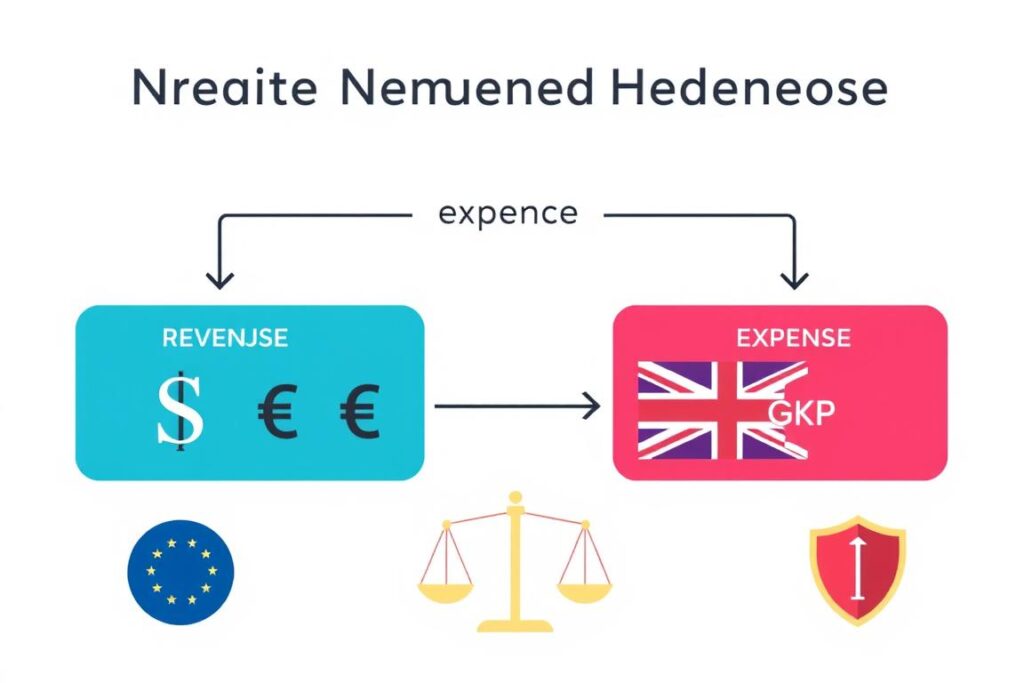
自然套期保值是目前最具成本效益的安全货币策略之一,尤其适用于从事国际贸易的企业。这种方法通过调整业务结构,使以特定货币计价的收入和支出达到平衡,从而降低汇率波动带来的风险敞口。.
在业务运营中实施自然对冲
对企业而言,自然对冲可能包括在拥有庞大客户群或供应商网络的国家/地区设立运营机构或建立银行关系。通过以同一种货币进行收入和支出对冲,即可建立一种无需金融工具或额外成本的内置保护机制。.
对于企业:
- 尽可能用本国货币向国际客户开具发票。
- 从您能产生收入的国家采购物资
- 在关键市场建立运营机构,以形成自然的货币一致性
- 协商包含汇率调整条款的合同
个人用户:
- 持有你经常有开支的国家的货币
- 考虑在您经常光顾的地区投资房产。
- 将投资货币与未来支出计划相匹配
- 为日常国际活动维护多币种账户
真实案例: 一家向美国客户销售产品的加拿大制造公司开设了一个美国银行账户,并开始直接从美元收入中支付给美国供应商。这种天然的对冲方式省去了每次交易的货币兑换费用,节省了约3.51万亿美元的汇兑成本,并有效规避了加元/美元汇率波动的影响。.
策略四:多币种账户——运营灵活性
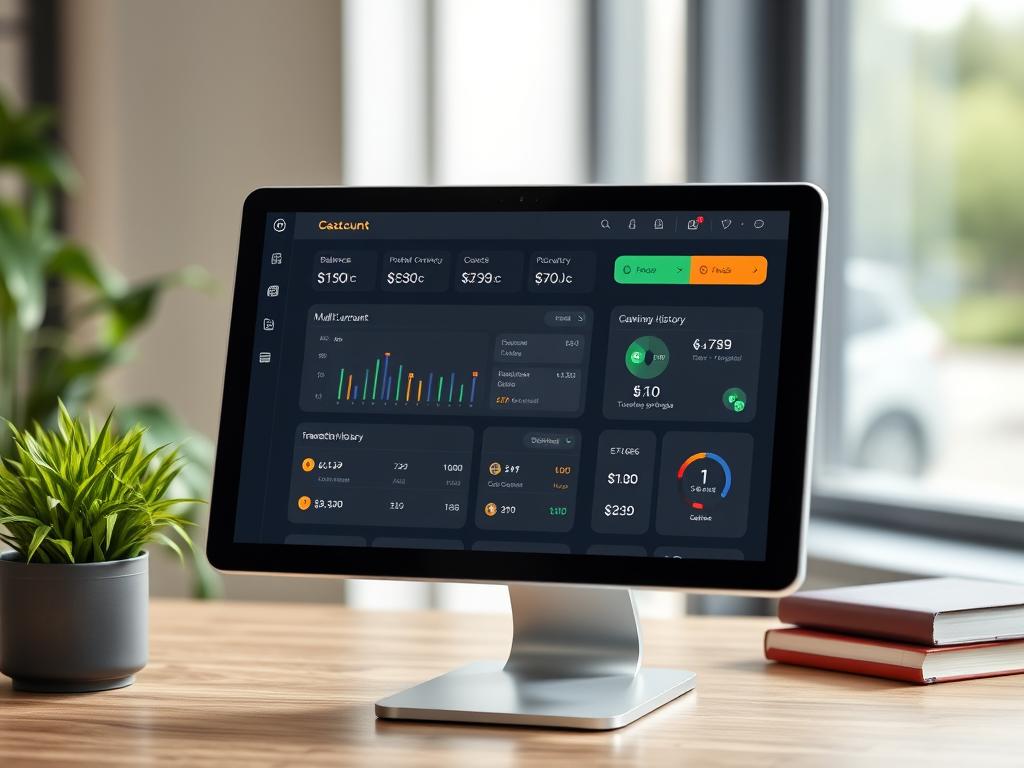
多币种账户已成为实施安全货币策略的有力工具。这些专业的银行产品允许您在单一账户结构内持有、管理和交易多种货币。对于从事国际业务的企业和个人而言,这些账户能够提供操作灵活性并降低不必要的货币兑换成本。.
多币种账户的优势
多币种账户的主要优势在于能够以本币收付款,无需强制兑换。这项功能消除了频繁货币兑换带来的点差成本和时间风险。此外,当您需要进行货币兑换时,这些账户通常还能提供具有竞争力的汇率。.
需要关注的主要特点:
- 低廉或无月度维护费
- 具有竞争力的汇率和透明的费用结构
- 主要货币的本地账户详情(IBAN、银行代码等)
- 提供实时货币监控的在线平台
- 与企业会计软件集成
- 支持国际支付,费用合理。
选择多币种账户提供商时,应同时考虑传统银行和金融科技平台。传统银行可能提供更全面的服务,而金融科技平台通常提供更具竞争力的利率和更便捷的用户界面。您的选择应符合您的具体需求和交易习惯。.
策略五:货币期权——灵活的保护

货币期权是众多安全货币策略中更为复杂的一种选择。与锁定特定汇率的远期合约不同,期权赋予您权利(而非义务)在特定到期日之前以预定汇率兑换货币。这种灵活性需要付出代价(期权费),但它既能提供有效的保护,又具有潜在的收益。.
货币期权如何保护您的财富
把货币期权想象成抵御不利汇率波动的保险。你预先支付一笔保费来获得保障,但如果汇率朝着对你有利的方向发展,你可以让期权到期,并享受更优惠的市场汇率。这种兼具下行保护和上行潜力的策略,使得期权在货币波动剧烈时期尤为宝贵。.
货币期权的优势
- 防范不利的货币波动
- 能够从有利的汇率波动中获益
- 已知最高成本(已支付的保费)
- 可自定义行权价格和到期日
- 如果市场状况好转,则无需执行。
需要考虑的局限性
- 无论执行情况如何,前期溢价成本都需支付。
- 更复杂,难以理解和实施
- 通常需要更大的交易规模
- 可能需要专业指导才能合理构建结构。
- 在波动剧烈的市场中,保费可能相当可观。
对于付款时间不确定的企业或进行大额一次性国际交易(例如房地产交易)的个人而言,货币兑换选项尤其重要。在时间灵活性能够显著提升价值的情况下,其提供的灵活性足以弥补额外的费用。.
传统避险货币与数字避险货币

随着数字货币的出现,避险货币格局发生了显著变化。虽然美元、瑞士法郎和日元等传统避险货币长期以来保持着相对稳定,但数字货币正以其不同的价值主张挑战着这一传统模式。了解每种货币的优势和局限性,有助于您制定更全面的避险货币策略。.
| 特征 | 传统避险货币 | 数字货币 |
| 历史稳定性 | 数十年来积累的良好业绩 | 历史有限,仍在发展中 |
| 通货膨胀保护 | 可变;受货币政策影响 | 有些稳定币提供固定供应量(例如比特币);稳定币则各不相同。 |
| 无障碍 | 需要与银行建立关系 | 可通过互联网连接访问 |
| 挥发性 | 相对较低 | 普遍较高(部分稳定币除外) |
| 监管框架 | 成熟的 | 在许多司法管辖区,情况仍在不断变化且不确定。 |
| 抗癫痫 | 低至中等 | 如果安保措施到位,潜在收益很高。 |
避险货币的新兴趋势
“安全”货币的概念正在不断演变。传统上,由经济基本面强劲且稳定的政府支持的货币被视为避险天堂。如今,抗通胀、抗审查和可携带性等因素在安全货币策略中变得越来越重要。.
理想状态 如今的货币投资组合结合了传统的安全措施。 避险天堂精选特定数字资产,在既有稳定性和抵御新兴货币风险之间取得平衡。.
货币保护成功案例的真实世界
案例研究1:制造业企业如何在货币危机中生存
一家中型制造公司,其供应商位于 亚洲 在汇率剧烈波动时期,北美客户面临着巨大的挑战。通过结合使用确定付款日期的远期合约和用于可变时间交易的货币期权,该公司在竞争对手被迫提价或接受利润率压缩的情况下,维持了价格稳定。.
他们的方法包括:
- 利用3个月远期合约对冲75%的预期货币需求
- 使用货币期权对剩余的 25% 进行交易,以保持灵活性。
- 利用当地材料打造天然树篱。
- 在长期合同中实施货币调整条款
Case Study 2: Individual Investor Preserving Retirement Savings
An investor approaching retirement recognized the risk of having all assets denominated in a single currency. By diversifying across five major currencies and adding a small allocation to gold and digital assets, they created a balanced portfolio that maintained purchasing power despite significant volatility in their home currency.
关键见解: The most successful implementations of safe currency strategies don’t rely on a single approach. Instead, they combine multiple techniques tailored to specific risk exposures and financial objectives.
Actionable Steps to Implement Safe Currency Strategies

Moving from theory to practice requires a structured approach. The following implementation framework provides a step-by-step process for developing and executing effective safe currency strategies for both individuals and businesses.
- Assess your currency exposure (travel, investments, future plans)
- Determine your risk tolerance and protection needs
- Research and open multi-currency accounts
- Allocate funds across 3-5 stable currencies
- Consider physical precious metals for 5-10% of holdings
- Evaluate digital currency options if appropriate
- Review and rebalance quarterly
对于个人用户
- Map all currency exposures across operations
- Quantify potential impact of 10-20% currency movements
- Develop hedging policy with clear guidelines
- Implement forward contracts for predictable expenses
- Consider options for variable-timing transactions
- Explore natural hedging opportunities
- Review strategy effectiveness monthly
对于企业而言
Working with Financial Partners
While many aspects of currency risk management can be handled independently, partnering with experienced financial service providers often leads to better outcomes. These partners can provide access to more sophisticated tools, competitive rates, and valuable market insights that inform your strategy.
Ready to Implement Your Currency Protection Plan?
Our team of currency specialists can help you develop and execute a customized strategy based on your specific needs and risk profile.
Monitoring and Adjusting Your Currency Strategy

Implementing safe currency strategies isn’t a one-time event but an ongoing process that requires regular monitoring and adjustment. Markets evolve, economic conditions change, and your personal or business circumstances may shift, all necessitating reviews of your approach.
Key Indicators to Monitor
经济指标
- Interest rate differentials
- Inflation rates
- GDP growth figures
- Trade balances
Market Signals
- Currency volatility indices
- Central bank communications
- Futures market positioning
- Cross-currency correlations
Internal Metrics
- Hedging costs vs. benefits
- Exposure changes
- Risk tolerance adjustments
- Strategy performance
Creating a Review Schedule
Establish a regular cadence for reviewing your currency strategy. For businesses with significant international exposure, monthly reviews may be appropriate. For individuals, quarterly assessments often strike the right balance between vigilance and practicality. During these reviews, evaluate both the effectiveness of your current approach and any changes in your risk profile or market conditions.
“The most successful currency risk managers aren’t those who predict market movements perfectly, but those who consistently apply disciplined processes and adapt to changing conditions.”
Digital Tools for Currency Risk Management

Technology has revolutionized how individuals and businesses implement safe currency strategies. Today’s digital tools provide unprecedented access to real-time information, analytical capabilities, and execution options that were once available only to large financial institutions.
Essential Digital Resources
Monitoring Tools
- Currency alert applications
- Economic calendar integrations
- Technical analysis platforms
- Central bank announcement trackers
Execution Platforms
- Multi-currency account applications
- Foreign exchange trading platforms
- Hedging solution providers
- International payment systems
When selecting digital tools, prioritize security, reliability, and usability. The best platforms offer intuitive interfaces while providing robust functionality. Many providers now offer tiered services, allowing you to start with basic features and add more sophisticated capabilities as your needs evolve.
Common Mistakes to Avoid in Currency Risk Management

Even well-intentioned currency protection efforts can be undermined by common mistakes. Being aware of these pitfalls can help you develop more effective safe currency strategies and avoid costly errors.
Strategic Errors to Watch For
Overhedging
Protecting more than your actual exposure can create unnecessary costs and even generate new risks. Aim to hedge your actual exposure rather than speculating on market movements.
Timing the Market
Attempting to execute currency transactions at “perfect” moments often leads to missed opportunities and increased risk. Focus on consistent risk management rather than perfect timing.
Ignoring Transaction Costs
Hidden fees, spreads, and other costs can significantly impact the effectiveness of your currency strategy. Always calculate the all-in cost of any approach before implementation.
Set-and-Forget Mentality
Currency markets and your exposure to them evolve constantly. Failing to review and adjust your strategy regularly can leave you vulnerable to changing conditions.
Critical Warning: Never implement a currency strategy you don’t fully understand. Complex derivatives and structured products may offer attractive features but can create unexpected risks if their mechanics aren’t clear to you.
Your Safe Currency Strategy Implementation Checklist

Use this comprehensive checklist to guide your implementation of safe currency strategies. Whether you’re an individual investor or business owner, these steps will help ensure you’ve covered the essential elements of currency risk management.
Assessment Phase
- Quantify your total currency exposure (amounts and currencies)
- Identify timing of expected currency flows (known vs. variable dates)
- Determine your risk tolerance and protection objectives
- Assess available resources (time, expertise, capital)
- Research current market conditions and forecasts
Strategy Development
- Select appropriate hedging tools based on your needs
- Determine optimal currency diversification mix
- Identify natural hedging opportunities
- Set clear risk management parameters and limits
- Document your strategy with specific actions and timelines
Implementation
- Open necessary accounts (multi-currency, trading platforms)
- Execute initial hedging transactions
- Implement operational changes for natural hedging
- Set up monitoring systems and alerts
- Document all positions and strategies
Ongoing Management
- Schedule regular strategy reviews (monthly/quarterly)
- Track performance against objectives
- Adjust positions based on changing conditions
- Stay informed about relevant economic developments
- Continuously educate yourself on new tools and approaches
Securing Your Financial Future with Safe Currency Strategies

In today’s interconnected global economy, currency volatility is an unavoidable reality. However, with the right safe currency strategies, you can transform this challenge from a threat into a manageable aspect of your financial planning. The approaches outlined in this guide—from forward contracts and diversification to natural hedging and digital tools—provide a comprehensive framework for protecting your wealth against currency fluctuations.
Remember that effective currency risk management isn’t about eliminating all risk or perfectly timing the market. Instead, it focuses on creating predictability, reducing unnecessary exposure, and ensuring that currency movements don’t derail your broader financial objectives. By implementing these strategies systematically and reviewing them regularly, you can navigate even the most turbulent currency markets with confidence.
“The goal of currency risk management isn’t to profit from market movements but to ensure that currency fluctuations don’t prevent you from achieving your core financial objectives.”
Take the Next Step in Protecting Your Wealth
Our currency specialists can help you develop and implement a customized strategy based on your specific situation and objectives. Schedule a no-obligation consultation today.
Whether you’re safeguarding business profits, protecting retirement savings, or ensuring the stability of your investment portfolio, implementing effective safe currency strategies is an essential component of sound financial management in today’s global economy.
Frequently Asked Questions About Safe Currency Strategies
How much of my wealth should I protect with currency hedging?
The appropriate amount depends on your specific exposure and risk tolerance. As a general guideline, consider hedging 50-80% of known currency exposures for businesses and 15-30% of liquid assets for individuals. This provides meaningful protection while maintaining some flexibility to benefit from favorable movements.
Are digital currencies like Bitcoin suitable as safe-haven assets?
Digital currencies present a mixed profile as safe-haven assets. While Bitcoin has shown some safe-haven characteristics during specific economic events, its overall volatility makes it unsuitable as a primary safe-haven holding for most investors. Consider allocating no more than 1-5% of your portfolio to digital assets, treating them as a diversification tool rather than a core safe-haven holding.
How often should I review my currency protection strategy?
For businesses with significant international exposure, monthly reviews are recommended, with quarterly deep dives into strategy effectiveness. Individual investors should conduct thorough reviews at least quarterly, with additional checks during major market events or personal financial changes. The key is establishing a regular cadence while remaining flexible enough to respond to significant developments.
What’s the minimum amount needed to implement effective currency hedging?
While some hedging instruments like forward contracts may have minimum transaction sizes (typically ,000-,000), strategies like multi-currency accounts and natural hedging can be implemented with much smaller amounts. The key is matching the strategy to your exposure level and available resources. Even modest protection is better than none when it comes to currency risk.